Ragdoll
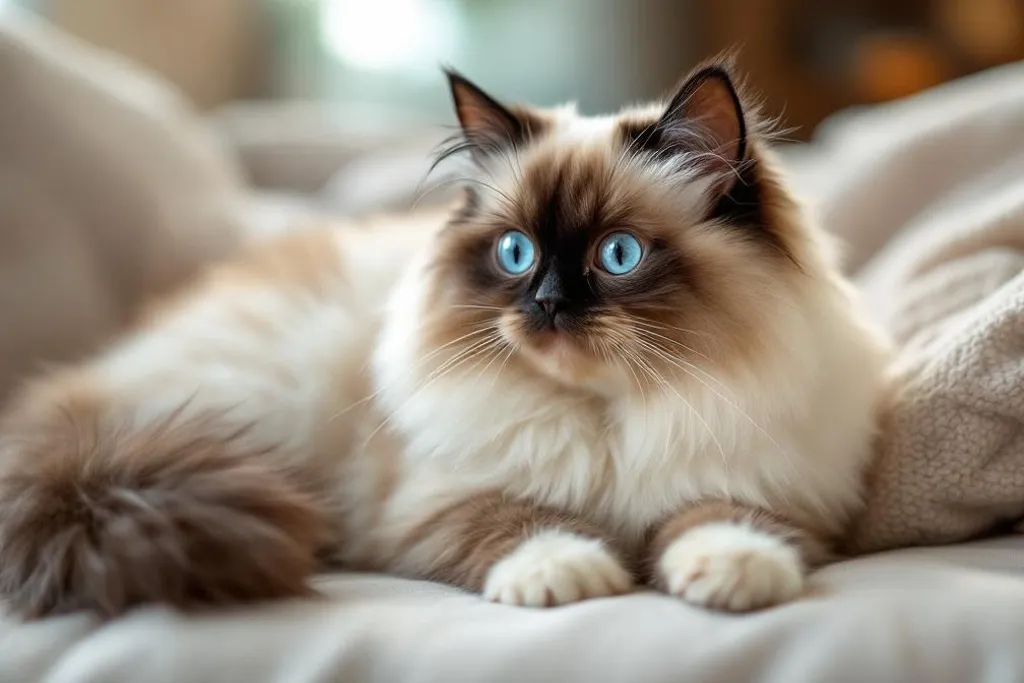
The Ragdoll is a large, gentle cat breed known for going limp when picked up, their striking blue eyes, and exceptionally docile temperament.
Quick Facts
Ragdoll Cat Breed Profile
If you’ve ever dreamed of a cat who’s as cuddly as a stuffed animal and as relaxed as your favorite armchair, the Ragdoll might be your perfect match. These gentle, docile cats have earned a special place in the hearts of cat lovers worldwide, and once you meet one, it’s easy to understand why.
The name “Ragdoll” comes from this breed’s unique tendency to go completely limp when picked up, just like a child’s ragdoll toy. This endearing trait is just one of many that make Ragdolls wonderful companions. Let’s explore everything this amazing breed has to offer.
The Story Behind the Ragdoll
The Ragdoll breed was developed in California in the 1960s by Ann Baker, a Persian cat breeder. The founding cat was a white long-haired cat named Josephine, who was injured in an accident and subsequently produced kittens with unusually docile temperaments. Baker selectively bred for this relaxed personality trait, along with the breed’s striking appearance.
The breed quickly gained recognition for its calm nature and beautiful looks. The International Cat Association accepted the Ragdoll in 1991, and the breed has since become one of the most popular cat breeds in the world. Despite being a relatively young breed, Ragdolls have made an enormous impact on the cat-loving community.
Recognizing a Ragdoll
Ragdolls are large cats. Males typically weigh 15 to 20 pounds, while females range from 10 to 15 pounds. Despite their substantial size, they’re not particularly muscular cats. Instead, they have a sturdy, heavy-boned frame with a broad chest and short, muscular legs.
Their coats are one of their most attractive features. Ragdolls have semi-long, silky fur that’s soft to the touch and doesn’t tend to mat as easily as other long-haired breeds. They have fluffy breeches on their hind legs, a soft ruff around the neck, and a magnificent plumed tail.
Ragdolls are pointed cats, meaning their face, ears, paws, and tail are darker than their body. They come in four main color patterns: bi-color, van, mitted, and colorpoint. The breed allows for seal, blue, chocolate, lilac, red, and cream point colors, along with various lynx variations.
Perhaps the most captivating feature of the Ragdoll is their large, round, deep blue eyes. Every Ragdoll has blue eyes. It’s a breed requirement. Their eyes contribute significantly to their sweet, gentle expression.

The Ragdoll Personality: Pure Sweetness
The Ragdoll temperament is legendary, and for good reason. These cats are famously gentle and relaxed, earning them a reputation as one of the most easygoing cat breeds. They’re often recommended for families with children and for people new to cat ownership because of their tolerant, patient nature.
Ragdolls typically go limp when picked up, hence their name. Most will happily drape themselves across your arms or shoulders, trusting completely. This makes them wonderful cats for handling and for households where cats need to be moved or transported.
Unlike some more independent breeds, Ragdolls thoroughly enjoy being with their humans. They often follow their owners from room to room, greeting them at the door, and seeking out lap time. They’re not typically demanding or clingy, but they do prefer companionship over solitude.
These cats are known for their “puppy-like” behavior. Many Ragdoll owners report their cats learning to fetch, coming when called, and even walking on a leash. This trainability, combined with their sweet nature, makes them a joy to interact with daily.
Ragdolls are generally calm without being lazy. They enjoy play but aren’t hyperactive. They’re happy with moderate activity and are just as content to lounge in a sunny spot as they are to engage in a gentle play session.
One thing that makes Ragdolls particularly adaptable is their easygoing nature around other pets. They typically get along well with other cats and cat-friendly dogs, making them excellent additions to multi-pet households.

Living with a Ragdoll
Grooming Needs
Despite their semi-long coats, Ragdolls are relatively low-maintenance when it comes to grooming. Their fur doesn’t mat as easily as other long-haired breeds, and regular brushing two to three times per week is usually sufficient to keep their coat in excellent condition.
During shedding seasons (typically spring and fall), you may need to brush more frequently to manage the increased loose fur. A stainless steel comb works well for working through their coat.
Ragdolls are generally fastidious about cleanliness, much like all cats. Regular nail trimming, ear checking, and dental care should still be part of their routine care.
Exercise and Activity
Ragdolls aren’t particularly demanding about exercise, but they do need regular activity to maintain a healthy weight. Interactive toys, cat trees, and regular play sessions help keep your Ragdoll fit and mentally stimulated.
Because they’re large cats, it’s important not to overfeed them. Ragdolls can be prone to obesity if their portions aren’t carefully managed. Quality cat food in appropriate amounts, combined with regular play, helps keep them at a healthy weight.
Many Ragdoll owners find their cats enjoy leash training, which provides excellent enrichment and exercise. Start leash training gradually when your cat is young for the best results.
Creating a Comfortable Home
Ragdolls adapt well to indoor living and are generally content in apartments or houses. They appreciate having access to comfortable perches where they can observe their surroundings, as well as cozy spots for napping.
Because of their calm nature, Ragdolls can be more susceptible to stress in chaotic environments. A peaceful household with predictable routines brings out the best in these gentle cats.
Health and Lifespan
Ragdolls are generally healthy cats with lifespans of 12 to 17 years. However, like all breeds, they’re predisposed to certain health conditions.
Hypertrophic cardiomyopathy (HCM) is the most common heart disease in cats and affects Ragdolls. This condition causes thickening of the heart muscle and can lead to heart failure if untreated. Responsible breeders screen their breeding cats for HCM, so always ask about heart health testing when acquiring a kitten.
Bladder stones can occur in Ragdolls. Signs include difficulty urinating, blood in the urine, and frequent urination. Feeding a quality diet and ensuring adequate water intake helps reduce this risk.
Gastrointestinal issues sometimes affect Ragdolls, including sensitivity to certain foods. Working with your veterinarian to find an appropriate diet helps manage these concerns.
Hip dysplasia, while more common in dogs, can affect Ragdolls due to their large size. This condition can cause discomfort and mobility issues in some cats.
Regular veterinary checkups, a balanced diet, appropriate exercise, and maintaining a healthy weight are the best ways to support your Ragdoll’s long-term health.

Ragdoll vs. Other Breeds
You might wonder how the Ragdoll compares to similar-looking breeds.
The Ragdoll and Birman are often confused due to their similar color-pointed coats and blue eyes. However, Birmans have white feet (mittens) without the darker pigmentation on their legs, and they have a different body structure. Personality-wise, both breeds are gentle, but Ragdolls are often considered more limp and relaxed when held.
Compared to Siamese cats, Ragdolls are much quieter and more laid-back. Siamese are high-energy and vocal, while Ragdolls are calm and relatively quiet.
Maine Coons and Ragdolls are both large, fluffy breeds, but Maine Coons have a more rugged appearance and higher activity level. Ragdolls tend to be more placid and docile overall.
Is a Ragdoll Right for You?
Ragdolls are wonderful cats for many households. Consider a Ragdoll if:
- You want a calm, gentle cat with a relaxed temperament
- You have children or other pets
- You’re looking for a cat who enjoys being handled and held
- You want a cat who’s affectionate without being demanding
- You appreciate a beautiful, blue-eyed cat with a silky coat
A Ragdoll may not be ideal if:
- You prefer a highly active or adventurous cat
- You want a cat who’s quiet in a busy household
- You’re looking for a very independent cat
- You can’t provide regular grooming during shedding seasons
Quick Facts
- Origin: United States (California)
- Size: Large; Males 15-20 lbs, Females 10-15 lbs
- Coat: Semi-long, silky, non-matting fur
- Lifespan: 12-17 years
- Temperament: Docile, Gentle, Affectionate, Calm, Relaxed
- Good with: Children, other pets, first-time cat owners
- Activity Level: Moderate
- Grooming Needs: 2-3 times per week brushing
Final Thoughts
The Ragdoll cat is a breed that truly embodies the phrase “gentle giant.” With their stunning appearance, sweet personalities, and relaxed demeanor, they bring a special kind of joy to any home. They’re the kind of cat that seems to understand exactly what you need, offering comfort and companionship without demanding anything in return.
Whether you’re a first-time cat owner or a seasoned feline enthusiast, a Ragdoll can make a wonderful addition to your family. Their calm presence, beautiful looks, and loving nature have earned them legions of devoted fans. And once you’ve shared your life with a Ragdoll, you’ll understand exactly why.