Scottish Fold
Discover the Scottish Fold cat breed - known for their distinctive folded ears and sweet, calm temperament. Learn about their history, care needs, health considerations, and if this breed is right for you.
Quick Facts
Scottish Fold Cat Breed Profile
Introduction
If you’ve ever wished for a cat with an irresistibly owl-like appearance and a sweet, gentle disposition, the Scottish Fold might be calling your name. These distinctive cats are known worldwide for their unique folded ears that give them an adorable, rounded look reminiscent of a teddy bear or an owl. But the Scottish Fold’s appeal goes far beyond their distinctive appearance. These cats bring warmth, affection, and a calm presence that makes them wonderful companions for a wide variety of households.
The Scottish Fold is a relatively recent breed, first appearing in Scotland in the 1960s, and has since captured the hearts of cat lovers around the world. Their folded ears, caused by a natural genetic mutation, give them an unforgettable appearance that sets them apart from virtually every other cat breed. Combined with their round faces, large round eyes, and compact, sturdy bodies, Scottish Folds possess a charm that is genuinely unique in the cat world.
Whether you’re considering adding a Scottish Fold to your family or simply want to learn more about this captivating breed, this comprehensive guide will walk you through everything you need to know. From their fascinating origin story to their care requirements, health considerations, and whether the Scottish Fold might be the perfect match for your lifestyle, we’ve got you covered.
History & Origin: The Story of Susie and Her Kittens
The Scottish Fold’s story begins in 1961 on a farm in Scotland, when a shepherd named William Ross noticed an unusual white cat with folded ears among his neighbor’s farm cats. This cat, named Susie, had naturally occurring folded ears caused by a genetic mutation. William Ross, who also bred Scottish Terriers, recognized something special in Susie and acquired one of her kittens, a fold-eared male named Snooks.
William and his wife Mary soon became enchanted by the breed and began a careful breeding program. They worked with geneticists to understand the folded ear trait, which results from a dominant gene affecting the cartilage in the ears. The breed was originally called “lop-eared” before settling on the name Scottish Fold, honoring both the breed’s country of origin and their distinctive folded ears.
Early breeding efforts faced some challenges. The original outcrosses included British Shorthairs and domestic cats, which helped establish the breed’s type and health. However, there was initially some concern about potential health issues associated with the folded ear gene, particularly related to joint problems. Responsible breeders worked to address these concerns through careful selection and outcrossing.
The breed made its way to the United States in the early 1970s, where American Shorthairs were introduced to the breeding program. This helped strengthen the breed and expand the gene pool. The Cat Fanciers Association accepted the Scottish Fold for registration in 1973 and granted championship status in 1978.
Today, Scottish Folds are beloved around the world. They remain a relatively rare breed due to the genetics involved. Not all kittens in a Scottish Fold litter will have folded ears. Those with straight ears are called “Straights” and can still be wonderful pets, though they cannot be shown as Scottish Folds in most cat associations. Both folded and straight-eared Scottish Folds make equally wonderful companions.
Appearance & Physical Characteristics
Physical Appearance
The Scottish Fold is a medium-sized cat with a compact, rounded body that gives them a substantial, plush feel. Males typically weigh between 9 and 13 pounds, while females range from 6 to 9 pounds. Despite their sturdy build, Scottish Folds are not typically bulky or heavy. Instead, they have a soft, rounded appearance that makes them look like living plush toys.
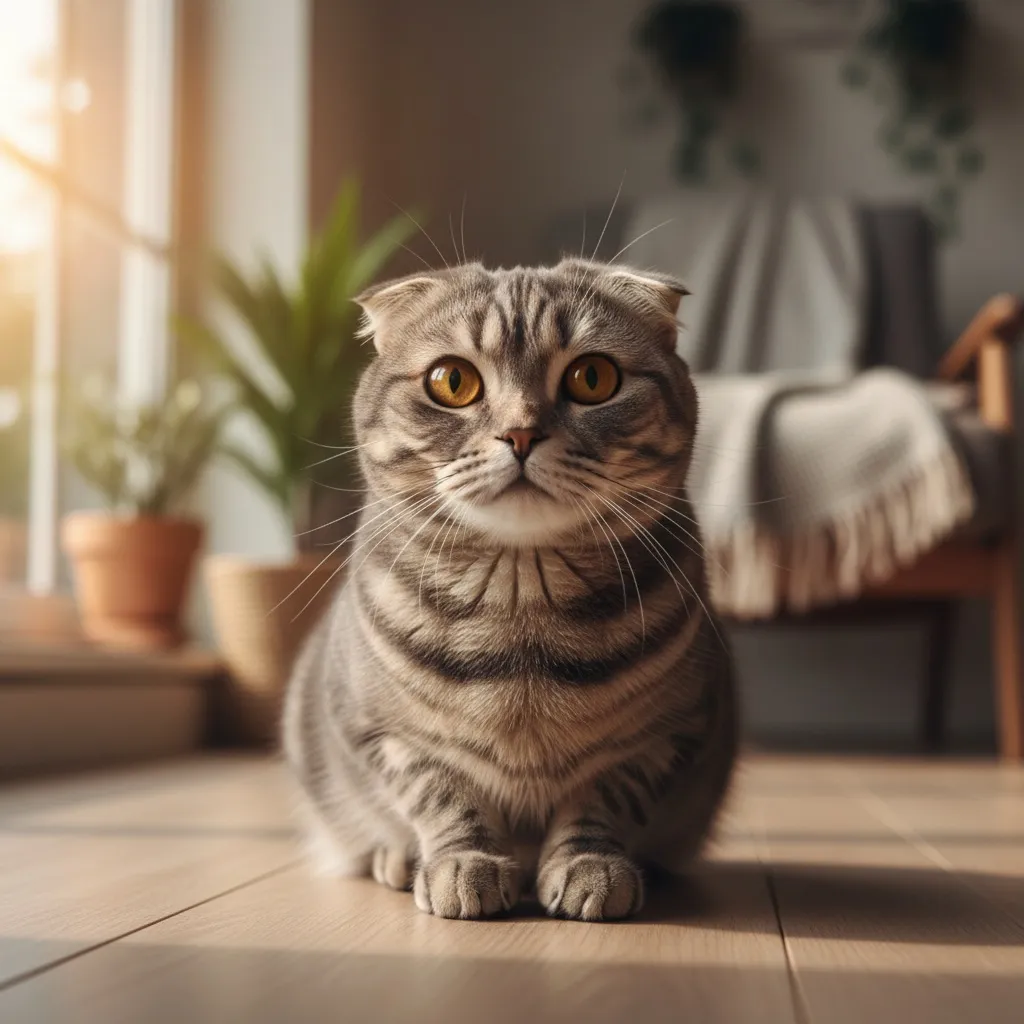
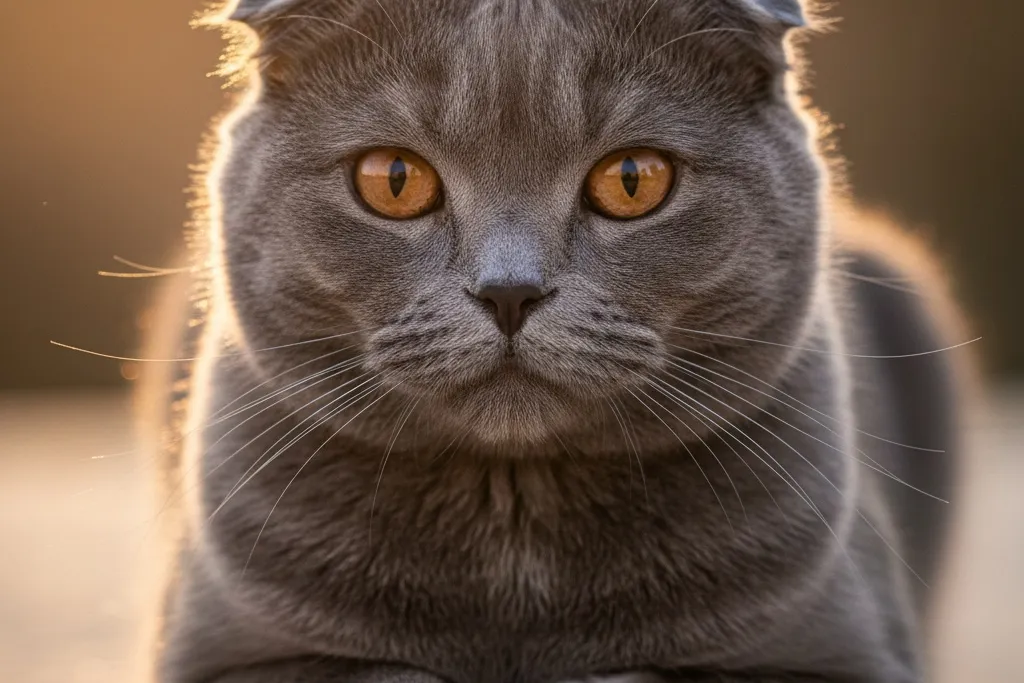
The Scottish Fold’s head is perhaps their most distinctive feature. It is round and broad, with a soft profile that curves gently from the forehead to the nose. Their round face is accented by large, round, widely-spaced eyes that can be any color, though copper, gold, green, and blue eyes are common. The combination of their round head and large round eyes gives Scottish Folds an perpetually sweet, innocent expression.
Of course, the Scottish Fold’s most famous feature is their folded ears. These ears fold forward and downward, lying flat against the head. The fold can range from a single fold (ears that fold about halfway down) to a double or triple fold (ears that lie completely flat against the head). The degree of the fold is determined by genetics, and cats with tighter folds are often preferred for show.
The Scottish Fold’s ears can be difficult to read emotionally compared to other cats, since they don’t perk up or rotate like typical feline ears. However, Scottish Folds compensate with their highly expressive eyes and tail positions to communicate their moods.
Coat and Colors
Scottish Folds can have either short or long coats. The short-haired variety has a dense, plush coat with a wooly texture. The long-haired variety, sometimes called “Highland Folds,” has longer fur that is softer and may have a slight tousled appearance. Both coat types require regular grooming, though the long-haired variety needs more frequent brushing.
Scottish Folds come in an impressive variety of colors and patterns. They can be found in solid colors including white, black, blue, red, cream, and silver. They also come in all tabby patterns, tortoiseshell, calico, and colorpoint varieties. Basically, if a cat can come in a color or pattern, there’s likely a Scottish Fold with that coloring.
White Scottish Folds are particularly prized by some enthusiasts, though they require extra care around their ears to keep them clean and healthy. The breed’s coat colors do not affect the characteristic folded ears.
Body Structure
Scottish Folds have short to medium legs that are sturdy and well-muscled. Their paws are round and compact, giving them a solid, stable appearance. Their tails should be proportionate to their body length, medium to long, and tapering to a rounded tip.
One important consideration with Scottish Folds is that they should not have tails that are too stiff or short. A healthy, flexible tail is important for their overall mobility and is a sign of proper bone and joint development. When choosing a Scottish Fold, observe the tail’s flexibility and range of motion.
Personality & Temperament
Temperament Overview
Scottish Folds are known for their exceptionally sweet, calm, and good-natured temperaments. They are typically laid-back cats who enjoy comfortable surroundings and the company of their human families. Unlike some breeds that are either independent or clingy, Scottish Folds tend to strike a pleasant balance, enjoying affection and attention without being demanding or overly vocal.
These cats are often described as “dogs in cat bodies” because of their loyal, devoted nature. Many Scottish Folds form strong bonds with their owners and prefer to be near them rather than apart. They often greet their families at the door and follow them from room to room, curious about household activities.
Intelligence and Playfulness
Scottish Folds are intelligent cats who enjoy interactive play and puzzle toys. They are curious by nature and appreciate exploring their environment. Many Scottish Folds enjoy playing fetch, similar to some dog breeds. They are quick learners and can be taught tricks or commands with positive reinforcement training.
Despite their calm demeanor, Scottish Folds do enjoy playtime and should be provided with regular opportunities for activity. Interactive wand toys, puzzle feeders, and cat trees help keep them mentally stimulated and physically engaged. They are not typically hyperactive but do appreciate daily play sessions.
Social Behavior
Scottish Folds are generally very good with children and other pets. Their patient, tolerant nature makes them excellent family cats. They typically get along well with other cats and cat-friendly dogs, especially when properly introduced. Their calm nature means they are less likely to become stressed by the comings and goings of a busy household.
These cats are not typically aggressive and tend to avoid conflict. If bothered by children or other pets, a Scottish Fold is more likely to simply walk away than to scratch or bite. This makes them a good choice for households with young children.
One thing to note is that Scottish Folds may be somewhat reserved with strangers initially. They often take time to warm up to new people, preferring to observe from a safe distance before engaging. Once they trust someone, however, they can become quite affectionate.

Care & Grooming
Grooming Requirements
The Scottish Fold’s grooming needs depend on whether they have a short or long coat. Short-haired Scottish Folds require brushing once or twice weekly to remove loose fur and distribute skin oils. Long-haired Scottish Folds benefit from more frequent brushing, ideally two to three times per week, to prevent mats and tangles in their fur.
Regardless of coat length, Scottish Folds benefit from regular nail trimming, typically every two to three weeks. Their ears should be checked weekly and cleaned as needed. Because of their folded structure, Scottish Fold ears can accumulate more wax and debris than typical cat ears, so regular inspection is important.
Dental hygiene is essential for all cats, including Scottish Folds. Establishing a teeth-cleaning routine early helps prevent periodontal disease and related health issues. Your veterinarian can recommend appropriate dental care products and techniques.
Feeding and Nutrition
Scottish Folds do well on high-quality cat food appropriate for their life stage and activity level. Like all cats, they are obligate carnivores and need diets rich in animal protein. Look for foods with real meat as the primary ingredient, avoiding excessive fillers like corn, wheat, and by-products.
Because Scottish Folds are not typically highly active cats, they can be prone to weight gain if overfed. Monitor your cat’s weight regularly and adjust portions as needed to maintain a healthy body condition. Your veterinarian can help you determine appropriate portion sizes based on your individual cat’s needs.
Fresh, clean water should always be available. Some Scottish Folds prefer running water, so a cat water fountain might encourage better hydration. Adequate water intake is important for urinary tract health.
Exercise and Enrichment
While Scottish Folds are calm cats, they still need regular exercise and mental stimulation. Provide cat trees and climbing structures for vertical exploration, as well as scratching posts to satisfy their natural scratching instincts.
Interactive play sessions with wand toys or laser pointers provide valuable exercise and strengthen the bond between you and your Scottish Fold. Aim for at least one or two 10 to 15 minute play sessions daily. Puzzle feeders help keep their clever minds engaged while slowing down eating.
Scottish Folds often enjoy window perches where they can watch birds and outdoor activities. Providing environmental enrichment helps prevent boredom and associated behavioral issues.
Health Considerations
Common Health Issues
Scottish Folds are generally healthy cats with lifespans typically ranging from 11 to 14 years. However, like all breeds, they can be prone to certain health conditions that prospective owners should understand.
The folded ear gene that gives Scottish Folds their distinctive appearance can unfortunately be associated with some health issues. When a Scottish Fold is bred to another Scottish Fold, kittens can sometimes develop a condition called osteochondrodysplasia, which affects bone and cartilage development throughout the body. This is why responsible breeders always outcross Scottish Folds with straight-eared cats (British Shorthairs or American Shorthairs) to minimize this risk.
Reputable breeders carefully select breeding pairs to minimize the risk of these hereditary conditions. Always ask about health testing and the breeding practices used when acquiring a Scottish Fold kitten. A good breeder will be happy to discuss the health history of their breeding cats.
Cardiomyopathy
Scottish Folds can be prone to cardiomyopathy, including hypertrophic cardiomyopathy (HCM). HCM causes thickening of the heart muscle and can lead to heart failure if left untreated. Responsible breeders screen their breeding cats for heart conditions using echocardiograms. Regular veterinary checkups, including cardiac screening, are recommended for Scottish Folds.
Joint Issues
Due to their genetic heritage, Scottish Folds can sometimes develop joint problems, including arthritis. Signs to watch for include reluctance to jump or climb, stiffness after rest, and changes in grooming behavior. Maintaining a healthy weight helps reduce stress on joints, and supplements like glucosamine may support joint health in older cats.
Ear Care
The unique folded structure of the Scottish Fold’s ears requires extra attention. The folds can trap moisture, wax, and debris, potentially leading to infections if not kept clean. Regular inspection and gentle cleaning as needed helps prevent problems. If you notice your Scottish Fold shaking their head or scratching at their ears excessively, consult your veterinarian.

Is This Breed Right For You
The Scottish Fold can make a wonderful companion for the right household. This breed might be perfect for you if:
- You want a calm, sweet-natured cat who enjoys companionship
- You’re looking for a cat with a unique, owl-like appearance
- You appreciate a cat who is affectionate without being demanding
- You have children or other pets and need a tolerant cat
- You enjoy interactive play but don’t require a highly active cat
- You’re prepared for potential health considerations and regular grooming
The Scottish Fold may not be the best fit if:
- You prefer a highly active or adventurous cat
- You want a very vocal cat who communicates frequently
- You’re looking for a cat who is independent and aloof
- You’re not prepared for potential hereditary health issues
- You cannot commit to regular grooming and ear care
- You have severe allergies (no cat is truly hypoallergenic)
Quick Facts About Scottish Folds
- Origin: Scotland, 1961, from natural genetic mutation
- Size: Medium; males 9-13 pounds, females 6-9 pounds
- Coat: Short or long, dense; various colors and patterns
- Lifespan: 11-14 years with proper care
- Temperament: Sweet, calm, loyal, affectionate, patient
- Grooming: Weekly brushing (more for long-haired variety)
- Exercise Needs: Moderate; enjoys play but also content with quiet time
- Good With Children: Yes, very good
- Good With Other Pets: Yes, generally excellent
- Health Concerns: Cardiomyopathy, joint issues, ear care