Sphynx
Discover the Sphynx cat breed - the affectionate, energetic hairless cats known for their warmth, loyalty, and dog-like personalities. Learn about their history, care needs, and if this breed is right for you.
Quick Facts
Sphynx Cat Breed Profile
Introduction
With their distinctive hairless bodies, wrinkled skin, and large ears, Sphynx cats are impossible to ignore. But beyond their eye-catching appearance lies one of the most affectionate, energetic, and social feline companions you could ever hope to find. The Sphynx defies expectations at every turn, their bald bodies are surprisingly warm to the touch, their wrinkled skin is incredibly soft, and their mischievous personalities are endlessly entertaining.
If you’re searching for a cat who wants to be involved in everything you do, who will greet your guests enthusiastically, and who will warm your lap (and your heart) with unwavering devotion, the Sphynx might be the perfect match. These remarkable cats prove that it’s what’s on the inside that counts.
In this comprehensive guide, we’ll explore everything that makes the Sphynx special, from their surprising history to their unique care requirements, health considerations, and whether this extraordinary breed is right for your lifestyle.
History & Origin: A Breed Born From Natural Mutation
The Sphynx we know today traces its roots to 1966, when a domestic cat in Toronto, Canada gave birth to a hairless kitten named Epidermis. This kitten, along with another hairless kitten named Dermis, became the foundation of the modern Sphynx breed. However, hairless cats have appeared throughout history, Aztecs reportedly kept hairless cats centuries ago.
The hairless trait in Sphynx cats is caused by a recessive gene. Early breeding programs faced challenges, as the genetic mutation presented complications and not all litters produced hairless kittens. Breeders carefully outcrossed with Devon Rex and American Shorthair cats to maintain genetic diversity while preserving the hairless trait.
The breed faced significant skepticism and even opposition in its early years. Many people assumed hairless cats were unnatural or unhealthy, but dedicated breeders worked to prove that Sphynx cats could be robust, healthy companions. The breed gradually gained recognition with cat fancy organizations and is now one of the most recognizable and beloved breeds worldwide.
Despite their exotic appearance, Sphynx cats are domesticated felines that have been carefully bred for decades. They’re now established as healthy, thriving cats with the same average lifespans as other breeds.
Appearance & Physical Characteristics
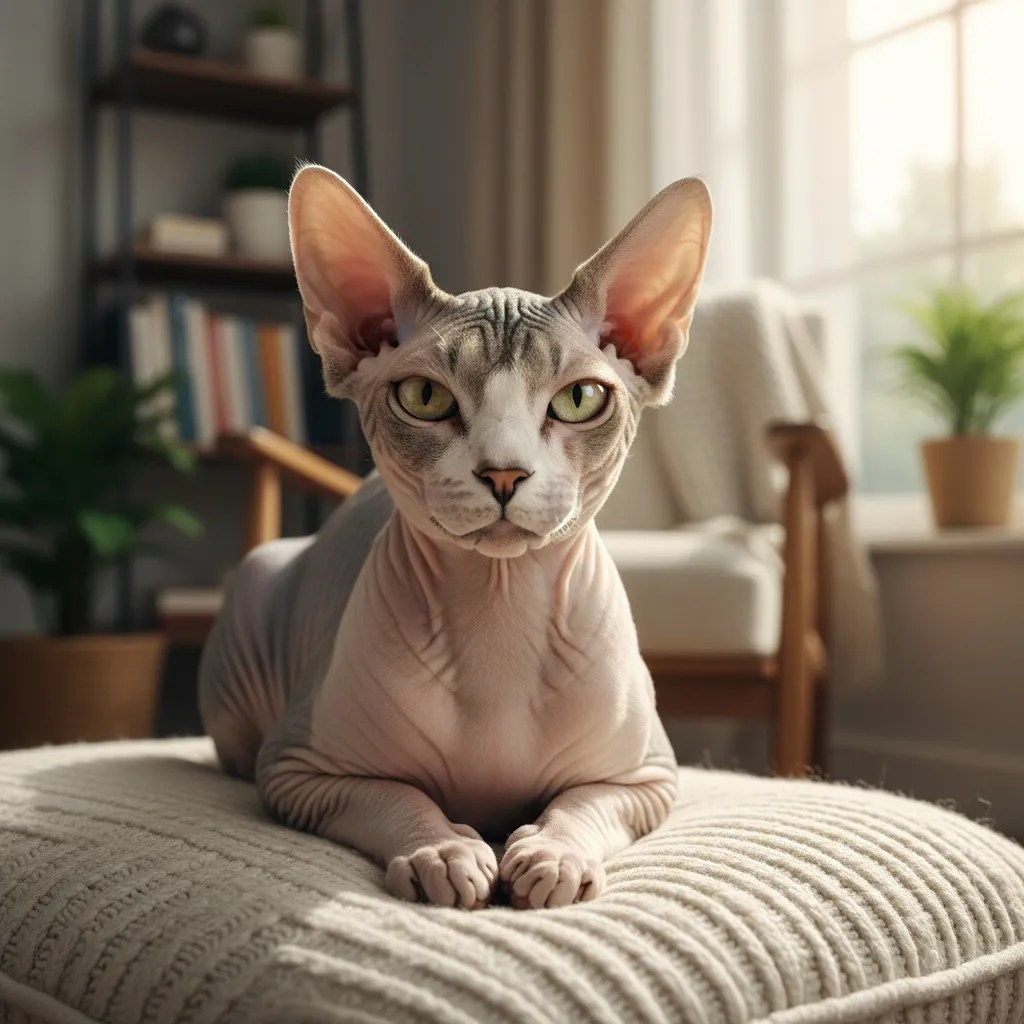
The Sphynx is a medium-sized cat with a sturdy, muscular body that belies their delicate appearance. Males typically weigh between 8 and 12 pounds, while females range from 6 to 9 pounds. Their bodies feel warm and suede-like to the touch, with a temperature that averages a few degrees higher than furry cats, a blessing for anyone who enjoys cuddling a warm companion.
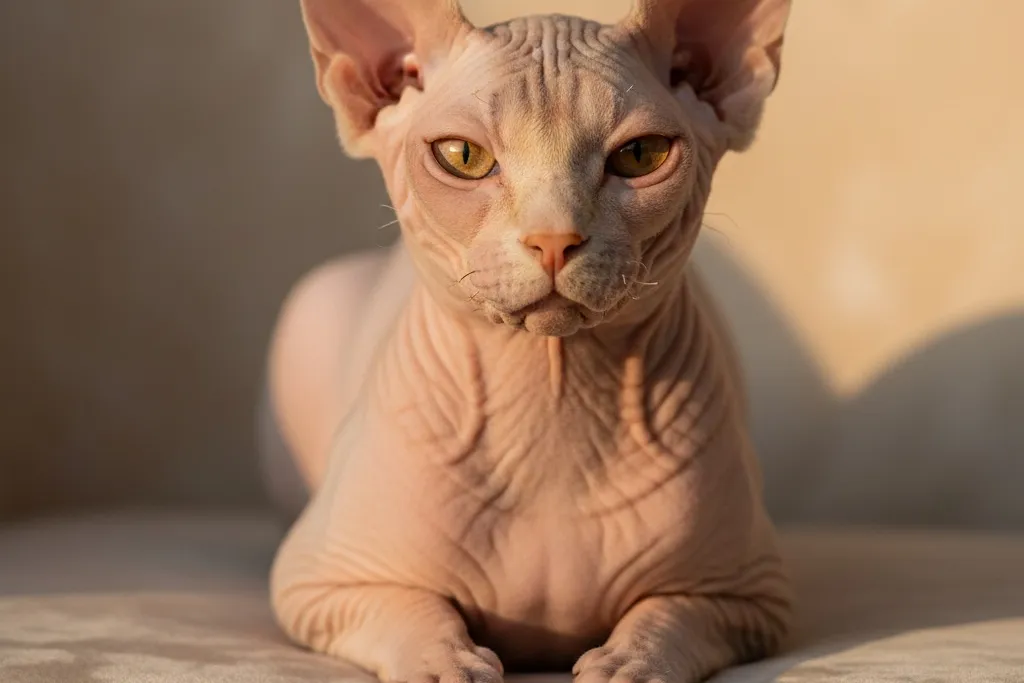
What immediately distinguishes the Sphynx is, of course, their lack of fur. However, don’t be fooled, Sphynx cats aren’t completely bald. Many have a fine layer of peach-fuzz hair over their bodies, and their skin exhibits the same variety of colors and patterns as a furry cat’s coat would. From solid colors to tabbies, calicos to pointed patterns, Sphynx cats display remarkable variety.
Sphynx cats have distinctive wrinkled skin that is particularly noticeable around the shoulders, between the ears, and on the muzzle. This loose skin is normal and healthy, contributing to their unique appearance. Their large, lemon-shaped eyes come in various colors, often complementing their skin tone.
Their most iconic feature might be their oversized ears, which are large, wide at the base, and set high on the head. Combined with their lack of whiskers (or very sparse, broken whiskers), their large eyes, and wrinkled brow, Sphynx cats often display remarkably expressive, almost human-like facial expressions.
Their paws are unique too, Sphynx cats have thick paw pads that make them look like they’re walking on cushions, and their tails are slender and taper to a flexible tip.
Personality & Temperament
If the Sphynx’s appearance doesn’t surprise you enough, their personality certainly will. These cats are among the most affectionate and social of all feline breeds. They crave human attention and will go to great lengths to get it, including dramatic performances if they feel ignored.
Sphynx cats are often described as “more dog than cat” because of their loyalty and desire to follow their favorite people everywhere. They typically greet visitors at the door, preferring to investigate newcomers rather than hide from them. If you’re looking for a cat with a reserved, independent personality, the Sphynx is definitely not your match.
These cats are also remarkably playful and retain their kitten-like energy well into adulthood. They’ll chase toys, perform acrobatics, and entertain themselves (and you) with silly antics. Many Sphynx owners report their cats play fetch, walk on leashes, or learn to do simple tricks.
Sphynx cats are also known for being vocal communicators. They have a wide range of chirps, meows, and chatters to express their opinions, desires, and dissatisfactions. If you enjoy a chatty companion, the Sphynx will be happy to engage in conversation throughout the day.
They love warmth and will seek out sunny spots, heating vents, blankets, and, most importantly, their human’s lap. You’ll often find your Sphynx curled under covers, nestled in your arms, or pressed against your neck. Their desire for warmth is legendary, and many Sphynx owners invest in cat beds, sweaters, and heated perches.

Care & Grooming
The Sphynx’s hairless coat requires a different approach to grooming than most people expect. Without fur to absorb and distribute skin oils, Sphynx cats need regular bathing, typically once a week or every two weeks, to prevent oil buildup on their skin. Use a gentle, cat-safe shampoo and thoroughly rinse to avoid skin irritation.
Their large ears also require regular cleaning, as they produce more wax than furry cats due to lack of ear hair. Weekly ear cleaning with a veterinarian-approved solution helps prevent infections. Similarly, their eyes may produce more discharge than average, requiring gentle wiping with a warm, damp cloth.
Because they lack fur, Sphynx cats need protection from both sun and cold. Limit their exposure to direct sunlight, especially during peak hours, to prevent sunburn. In cooler weather or air-conditioned spaces, consider providing sweaters or blankets to help them maintain body heat.
Sphynx cats also require more frequent nail trimming than furry cats, as there’s no fur to wear down their claws naturally. Plan to trim every two to three weeks, and regularly check for any debris or accumulation around the nails.
Despite being hairless, Sphynx cats do produce allergens and are not hypoallergenic, despite common misconceptions. They produce the same Fel d 1 protein in their saliva and skin oils as all cats. However, some people with mild cat allergies report fewer symptoms with Sphynx cats, possibly because they’re bathed so frequently.
Health Considerations
Sphynx cats are generally healthy with lifespans typically ranging from 12 to 15 years, and many live even longer with proper care. However, like all breeds, they’re prone to certain health conditions that prospective owners should understand.
Hypertrophic cardiomyopathy (HCM) is the most common heart disease in cats, and Sphynx cats are one of the breeds predisposed to this condition. Reputable breeders screen their breeding cats for HCM, so always ask about heart health testing before acquiring a kitten.
Sphynx cats can be prone to skin conditions, including urticaria pigmentosa (causing crusty lesions) and other skin irritations. Regular bathing and skin care help manage these issues, and your veterinarian can recommend treatments if needed.
Due to their lack of fur, Sphynx cats are more susceptible to respiratory infections and may be more sensitive to temperature extremes. They can catch colds more easily than furry cats and should be kept indoors during cold weather.
Hereditary myopathy (a muscle disease) has been reported in some Sphynx lines, as has a condition called congenital pythiosis (an immune system disorder). Working with reputable breeders who health-test their cats helps minimize these risks.
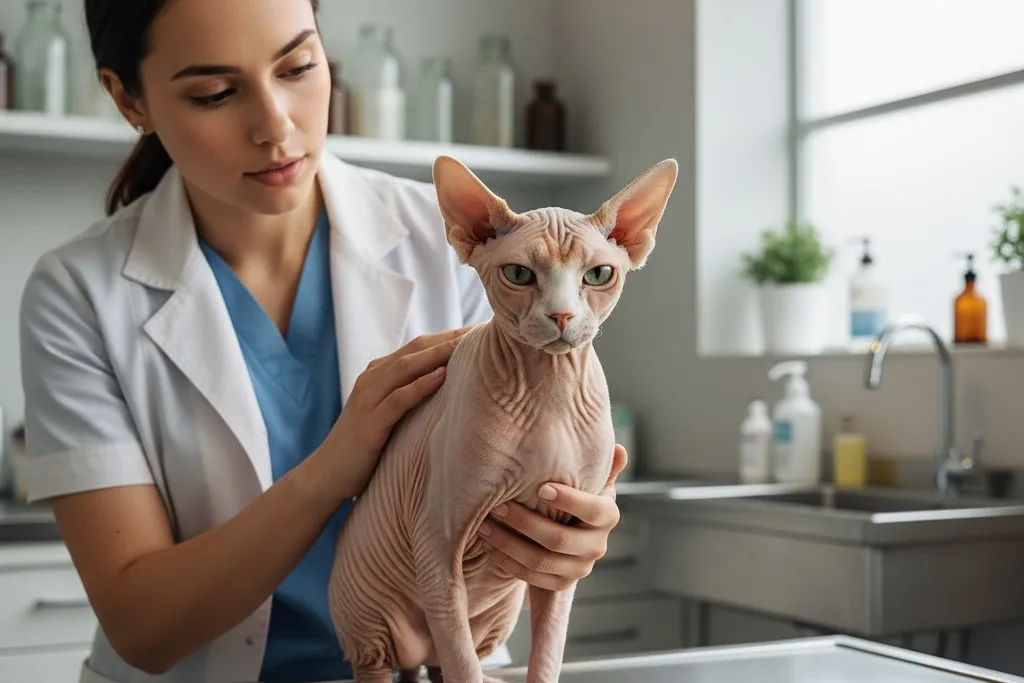
Regular veterinary care is essential for Sphynx cats. Annual checkups should include heart examinations, and any changes in behavior, appetite, or energy level should be discussed with your veterinarian promptly.
Diet & Nutrition
Sphynx cats have high metabolisms due to their lack of fur and higher body temperature, which means they often eat more than you might expect. Despite their healthy appetites, portion control is still important to prevent obesity.
Quality cat food with real meat as the primary ingredient suits the Sphynx’s carnivorous nature. High-protein diets help support their active lifestyles and maintain their body heat. Many Sphynx owners find their cats do well on foods specifically formulated for active breeds or for skin and coat health.
Because Sphynx cats can be prone to skin issues, some owners choose foods with added omega fatty acids and vitamins that support skin health. Your veterinarian can provide specific recommendations based on your individual cat’s needs.
Always ensure fresh, clean water is available. Some Sphynx cats prefer running water, so a cat water fountain might encourage better hydration.
Most adult Sphynx cats do well with two meals per day, though the breed’s high metabolism may mean some cats need more frequent feedings. Monitor your cat’s weight and adjust portions as needed.
Is This Breed Right For You
The Sphynx can make a wonderful companion for the right household. This breed might be perfect for you if:
- You want an extremely affectionate, people-oriented cat
- You enjoy having a cat involved in everything you do
- You’re prepared for the grooming commitment (weekly baths, ear cleaning, nail trimming)
- You don’t mind a vocal cat who expresses opinions freely
- You can provide warmth (heated beds, sunny spots, sweaters in cold weather)
- You want a cat who greets visitors rather than hiding from them
The Sphynx may not be the best fit if:
- You prefer a quiet, independent cat who is content alone
- You travel frequently and need a low-maintenance pet
- You’re not prepared for the grooming requirements (bathing, ear cleaning, etc.)
- You have severe cat allergies (Sphynx are not truly hypoallergenic)
- You want a cat with a typical feline appearance
- You live in a very cold climate without adequate heating options
Quick Facts About Sphynx Cats
- Origin: Canada, 1966, from natural hairless mutation
- Size: Medium; males 8-12 pounds, females 6-9 pounds
- Coat: Hairless (or fine peach-fuzz), various colors and patterns
- Lifespan: 12-15 years with proper care
- Temperament: Extremely affectionate, social, energetic, vocal, loyal
- Grooming: High; weekly bathing, regular ear cleaning, frequent nail trimming
- Exercise Needs: High; very active and playful breed
- Good With Children: Excellent; loves attention and interaction
- Good With Other Pets: Generally yes, especially with proper introduction