Can Cats Eat Chicken? Safe Feeding Guide for Cat Owners
Wondering if cats can eat chicken? Learn the safe ways to feed chicken to your cat, including cooking methods, portion sizes, and important safety tips.
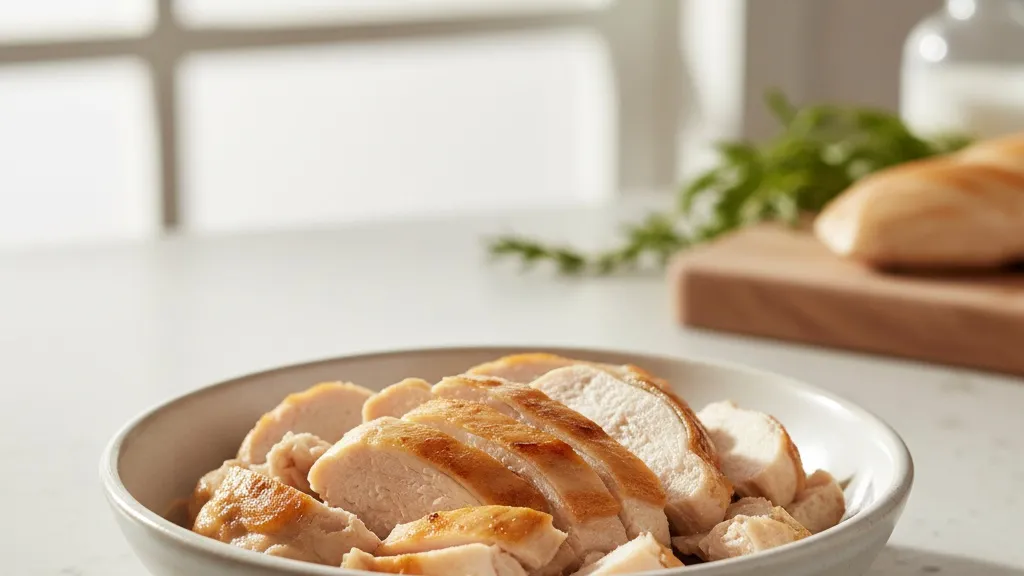
Can Cats Eat Chicken? Safe Feeding Guide for Cat Owners
Chicken is one of the most common human foods that cat owners want to share with their feline companions. Whether you are cooking dinner and want to slip your cat a bit of protein, or you are wondering if commercial chicken-flavored cat foods are safe, the question comes up often. The good news is that cats can eat chicken, but there are important guidelines to follow to ensure it is prepared safely. This guide covers everything you need to know about feeding chicken to your cat.
Quick Answer: Can Cats Eat Chicken?
Yes, cats can eat chicken, and it is actually one of the best protein sources you can offer your feline friend. Plain, properly cooked chicken without bones or seasoning is safe and nutritious for most cats. Chicken provides essential amino acids that support muscle health and overall wellbeing. However, it should be served in moderation as part of a balanced diet, not as a replacement for complete cat food.

Is Chicken Safe for Cats?
Chicken is generally safe for cats when prepared correctly. As obligate carnivores, cats have dietary needs that make animal protein ideal for their health. Their bodies are designed to digest and utilize meat efficiently, making chicken an excellent addition to their diet when offered the right way.
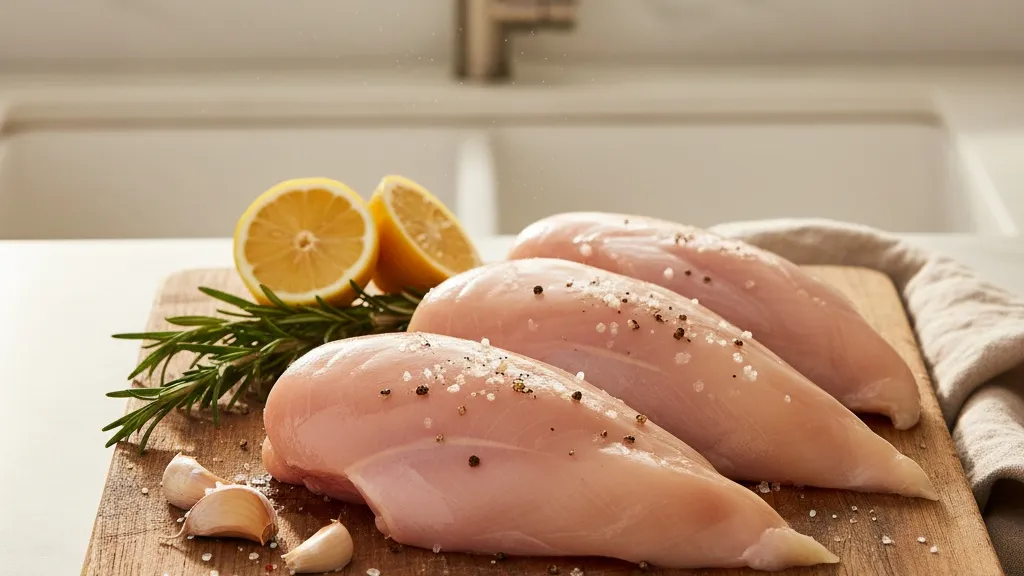
The key to safe chicken feeding lies in how you prepare it. Plain, boneless, skinless chicken that has been thoroughly cooked is the safest option. Avoid any chicken that has been prepared with oils, butter, seasonings, garlic, onions, or other ingredients that can be toxic to cats. These added ingredients, while harmless to humans, can cause digestive upset or more serious health issues in cats.
Raw chicken carries risks that make it controversial among veterinarians and cat experts. Salmonella, E. coli, and other harmful bacteria can be present in raw poultry and may cause serious illness in cats and the humans in your household. If you choose to feed raw chicken, handling it with extreme care is essential, and some veterinarians recommend against it entirely due to these risks.
Cooked chicken bones are a serious hazard and should never be given to cats. Cooked bones can splinter easily and cause internal injuries, intestinal blockages, or choking. Always remove all bones before offering chicken to your cat, and inspect the meat carefully to ensure no small fragments remain.
Benefits of Chicken for Cats
Chicken offers several nutritional benefits that can support your cat’s health when included as part of a balanced diet.
High-Quality Protein
Protein is essential for cats, and chicken provides a complete source of amino acids including taurine, which is critical for heart health, vision, and reproductive function. Unlike some plant-based proteins, animal protein from chicken contains all the essential amino acids cats need in the proper proportions.
Muscle Maintenance
The lean protein in chicken helps cats maintain strong, healthy muscles. This is especially important for active cats and growing kittens, but adult cats also benefit from adequate protein intake to prevent muscle loss as they age.
Palatability
Many cats find chicken highly appealing, which can be useful for encouraging eating in cats who are picky eaters or recovering from illness. The aroma and taste of chicken often stimulate appetite in cats who need encouragement to eat.
Essential Vitamins and Minerals
Chicken contains B vitamins, particularly B6 and B12, which support nerve function and energy metabolism. It also provides minerals like phosphorus and selenium that contribute to bone health and immune function.
How to Safely Feed Chicken to Your Cat
Proper preparation is the most important factor in safely feeding chicken to your cat.
Cooking Methods
The best cooking methods for chicken intended for cats are baking, boiling, or steaming. These methods do not require added fats or oils, and they thoroughly cook the meat without creating the harmful compounds that can form at very high temperatures.
Boiling chicken is often the simplest approach. Place boneless, skinless chicken breasts in a pot of water and cook until the internal temperature reaches 165 degrees Fahrenheit. Let the chicken cool completely before serving, and cut it into small, appropriate-sized pieces.
Baking is another excellent option. Place chicken on a baking sheet and cook at 375 degrees Fahrenheit until fully cooked through. Do not add any seasoning, oil, or butter. Let it cool before cutting into small pieces for your cat.
Avoid fried chicken entirely. The oil and breading added during frying can cause digestive upset, and the high fat content is not ideal for cats.
Portion Sizes
Chicken should be an occasional treat, not a primary food source. A good rule of thumb is to keep chicken treats to no more than 10 percent of your cat’s daily caloric intake. For an average adult cat, this works out to roughly one to two tablespoons of chopped chicken per serving, offered once or twice a week at most.
For a more precise approach, consult your veterinarian about appropriate portion sizes based on your cat’s weight, age, and activity level. Kittens and active adult cats may be able to tolerate slightly more, while senior cats or those with health conditions may need smaller portions.
Frequency Recommendations
Chicken is best offered as an occasional treat rather than a daily meal. While it is nutritious, relying on chicken alone would not provide all the nutrients your cat needs. Commercial cat foods are formulated to be complete and balanced, so chicken works best when used to supplement a high-quality cat food diet.
Two to three servings of chicken per week is a reasonable frequency for most adult cats. Always monitor your cat for any signs of digestive upset when introducing new foods, and discontinue feeding chicken if you notice any adverse reactions.

Signs Your Cat Should Not Eat Chicken
While chicken is safe for most cats, there are situations where it may not be appropriate.
Allergic Reactions
Some cats can develop allergies to chicken, though this is relatively uncommon. Signs of a food allergy in cats can include itching, excessive grooming, hair loss, skin irritation, vomiting, or diarrhea. If you notice any of these symptoms after feeding chicken, discontinue offering it and consult your veterinarian.
Pancreatitis
Cats with pancreatitis or a history of pancreatic inflammation should avoid high-fat foods, including chicken skin and any chicken prepared with added fats. Even lean chicken may need to be limited in these cases, so work with your veterinarian to determine safe dietary choices.
Kidney Disease
While protein restriction is not always necessary for cats with kidney disease, some veterinarians do recommend limiting protein intake in advanced cases. If your cat has been diagnosed with kidney issues, discuss whether chicken is appropriate with your veterinarian before adding it to their diet.
Digestive Sensitivity
Cats with sensitive stomachs or chronic digestive issues may not tolerate new foods like chicken well. Introduce any new food slowly and in small quantities if your cat has a history of digestive problems.
Frequently Asked Questions
Can kittens eat chicken?
Yes, kittens can eat chicken, but it should be cooked, boneless, and cut into very small pieces. Kittens have different nutritional needs than adult cats and should primarily receive nutrition from their mother’s milk or a specially formulated kitten food. Chicken can be offered as an occasional treat once kittens are weaned and eating solid food, typically around eight to ten weeks of age.
Can cats eat chicken bones?
No, cooked chicken bones should never be given to cats. They splinter easily and can cause choking, internal injuries, or intestinal blockages. Even raw bones pose some risks and should be approached with caution. If you want to give your cat something to chew on, consult your veterinarian about appropriate dental chews designed specifically for cats.
Can cats eat chicken seasoned with garlic or onions?
No, garlic and onions are toxic to cats and should never be included in any food you feed your cat. Even small amounts of these ingredients can cause damage to red blood cells and lead to anemia. Always feed plain, unseasoned chicken to your feline companion.
Is canned chicken okay for cats?
Canned chicken meant for human consumption is generally not recommended because it often contains added sodium, seasonings, or preservatives that are not ideal for cats. If you want to feed canned chicken, look for products that are plain, low-sodium, and contain only chicken with no added ingredients. However, cooked fresh chicken is almost always a better choice.
Can cats eat chicken skin?
Chicken skin is high in fat and can be difficult for some cats to digest. Additionally, skin prepared with seasonings or oils can be harmful. For these reasons, it is best to remove the skin and feed only the lean meat underneath when offering chicken to your cat.
Related Articles
If you found this guide helpful, you might also enjoy reading about best dry cat food and best wet cat food to ensure your cat is getting complete nutrition. You can also learn more about safe protein sources in our article about can cats eat eggs.
Veterinary Disclaimer
Always consult your veterinarian before introducing new foods to your cat’s diet. Every cat is different, and what works well for one may not be appropriate for another. Your veterinarian can provide personalized guidance based on your cat’s age, health status, weight, and specific dietary needs.