Your Complete Kitten Care Guide: From Adoption to First Year
Everything new cat owners need to know about caring for a kitten. Learn about feeding schedules, vaccination timelines, socialization, training, and keeping your new kitten safe.

Your Complete Kitten Care Guide: From Adoption to First Year
Bringing a new kitten into your home marks the beginning of a wonderful journey filled with playful moments, quiet cuddles, and the unique joy that only feline companionship brings. Your new furry family member relies entirely on you for their health, safety, and happiness. This comprehensive guide covers everything you need to know to give your kitten the best possible start in life, from that exciting first day home through their transition to a healthy adult cat.
Quick Answer: Kitten Care Essentials
Kittens need specialized care including high-quality kitten food fed three to four times daily, core vaccinations starting at six to eight weeks of age, regular parasite prevention, and plenty of socialization during their critical early weeks. Most kittens are ready to go to their new homes at eight to twelve weeks of age. Your kitten will need a safe space, appropriate toys, proper nutrition, and gentle guidance to develop into a confident, healthy adult cat.
Bringing Your Kitten Home
The transition from mother and littermates to your home represents a significant change for your kitten. Understanding what to expect helps you prepare and support your new companion through this adjustment period.
Choosing the Right Time
Kittens should remain with their mother and littermates for a minimum of eight weeks, and many breeders and shelters keep kittens until ten to twelve weeks of age. This time allows for crucial social development, proper weaning, and learning important cat behaviors from mother and siblings.
Early separation can lead to behavioral problems including biting, inappropriate scratching, and difficulty with social interactions. A kitten who has spent adequate time with mother and siblings typically develops better impulse control, learning inhibition, and social skills that serve them throughout their lives.
If you are adopting an older kitten or adult cat, the same principles apply. Allow adequate time for adjustment and provide consistent, patient care during the transition period.
First 24 Hours at Home
Your kitten may feel overwhelmed during their first day in a new environment. They might hide, sleep more than usual, or seem uncertain about their surroundings. This represents normal adjustment behavior. Your kitten is learning that their new home is safe while processing the stress of separation from everything familiar.
Stay calm and speak softly to your kitten. Let them explore at their own pace without forcing interaction. Having the safe room prepared in advance gives your kitten a retreat where they can feel secure while gradually venturing out to investigate their new territory.
Keep other pets separated initially, allowing gradual introductions over several days to two weeks. Even if your kitten seems confident quickly, maintaining separation and supervised visits prevents overwhelming situations and allows relationships to develop positively.
Setting Up a Safe Room
Prepare a small room such as a bathroom, guest bedroom, or corner of a living room as your kitten’s initial home base. This space should contain everything your kitten needs within a compact area, reducing the stress of navigating a large unfamiliar house.
The safe room should include a litter box placed away from food and water, food and water bowls, a comfortable bed or blanket, a few appropriate toys, and a scratching post if space allows. Consider placing a worn t-shirt or fabric item with your scent in the room to help your kitten become accustomed to your smell.
Keep the room warm, draft-free, and quiet. Playing soft music or leaving a television on at low volume can help prevent your kitten from being startled by unexpected sounds.
Feeding Your Kitten
Proper nutrition during the first year supports your kitten’s rapid growth and development. Kittens require more calories, protein, and certain vitamins and minerals than adult cats to support their growing bodies.

Wet vs Dry vs Combination
Both wet and dry kitten foods offer complete and balanced nutrition when formulated specifically for kittens. Each type has distinct advantages that may suit different situations and preferences.
Wet food provides additional moisture that supports kidney function and may encourage better hydration. Kittens who primarily eat dry kibble may need encouragement to drink enough water. The soft texture of wet food appeals to kittens who are transitioning from mother’s milk or who have dental sensitivity.
Dry kibble offers convenience, helps mechanically clean teeth, and allows for free-feeding or leaving food out during the day without spoiling. Many kittens enjoy dry food as a snack or supplement to wet food even if wet food forms the primary diet.
Combination feeding provides the benefits of both approaches. You might feed wet food at scheduled meals and offer dry kibble as a between-meal snack or to encourage play and activity.
Feeding Frequency by Age
Kittens have small stomachs and high energy needs, requiring more frequent meals than adult cats. Follow these general guidelines for feeding frequency, adjusting based on your individual kitten’s appetite and growth.
From eight to twelve weeks of age, kittens typically need four meals daily. Their bodies are growing rapidly and they burn energy quickly through play and exploration. Frequent small meals support steady growth without overloading their digestive system.
From twelve weeks to six months, three meals daily usually suffices. As your kitten grows and their stomach capacity increases, they can handle larger portions at less frequent intervals.
From six months to one year, you can transition to two meals daily. Most kittens reach sexual maturity around six months, and their growth rate begins to slow. Transitioning to adult cat food typically occurs around twelve months, though your veterinarian may recommend different timing based on your kitten’s specific development.
Essential Nutrients for Growth
Kittens require higher levels of protein than adult cats to support muscle development. Look for kitten foods with named protein sources such as chicken, turkey, or fish as the first ingredient.
DHA, an omega-3 fatty acid, supports brain and eye development in kittens. Taurine, an essential amino acid, supports heart function and vision. Most commercially formulated kitten foods include adequate taurine, but reading labels helps ensure your choice provides complete and balanced nutrition.
Calcium and phosphorus ratios are particularly important for proper bone development. Kitten foods are formulated with these developmental needs in mind, making formulated kitten food the safest choice over homemade or adult cat food for growing kittens.
Transitioning to Adult Food
Your kitten will transition from kitten food to adult cat food around twelve months of age. Large breed cats such as Maine Coons may need to remain on kitten-formulated food longer, sometimes until eighteen months or two years, because they continue growing for a more extended period.
Make the transition gradually over seven to ten days, mixing increasing amounts of adult food with decreasing amounts of kitten food. This gradual approach prevents digestive upset that can occur with sudden dietary changes.
Monitor your kitten’s weight and body condition during the transition. Growing kittens should maintain a healthy weight without becoming overweight. Your veterinarian can provide guidance on appropriate body condition and feeding amounts during these transitions.
Health Care and Vaccinations
Protecting your kitten from infectious diseases through vaccination represents one of the most important responsibilities of kitten ownership. Understanding the vaccination schedule and preventive health measures helps you keep your new companion healthy.
Core Vaccinations
Core vaccinations protect against highly contagious and potentially fatal diseases that affect cats regardless of their lifestyle or environment. All kittens should receive core vaccinations regardless of whether they will live primarily indoors or have outdoor access.
The feline panleukopenia virus causes feline distemper, a devastating disease that spreads easily and survives in the environment for extended periods. Vaccination provides essential protection.
Feline herpesvirus and feline calicivirus cause upper respiratory infections that are particularly dangerous for kittens and spread readily through contact with infected cats. Vaccination reduces the severity of these infections even if complete protection is not achieved.
The rabies virus is fatal and transmissible to humans, making rabies vaccination legally required in most jurisdictions. Kittens typically receive their first rabies vaccination at twelve to sixteen weeks of age.
Vaccination Schedule

Your veterinarian will develop a vaccination schedule tailored to your kitten’s specific situation, including the timing of initial shots and booster vaccinations. The following represents a general guideline for core vaccinations.
The first FVRCP combination vaccine (protecting against panleukopenia, herpesvirus, and calicivirus) typically occurs at six to eight weeks of age. Kittens then receive booster shots every three to four weeks until they reach sixteen to twenty weeks of age, ensuring adequate protection as maternal antibodies fade.
The rabies vaccination is usually given separately, with the first dose administered at twelve to sixteen weeks of age. The initial rabies vaccination requires a booster one year later, with subsequent boosters every one to three years depending on the vaccine type used in your area.
Non-core vaccines such as those protecting against feline leukemia virus may be recommended based on your kitten’s lifestyle and risk factors. Outdoor access, contact with other cats, and geographic location all influence non-core vaccine recommendations.
Parasite Prevention
Internal parasites such as roundworms, hookworms, and tapeworms commonly affect kittens. Many kittens are born with roundworm infections acquired from their mother, making deworming an essential part of early care.
Your veterinarian will recommend appropriate deworming medications and schedule follow-up treatments based on your kitten’s fecal examination results. Regular fecal testing throughout kittenhood and into adulthood helps identify and treat parasite infections promptly.
External parasites including fleas and ticks also require prevention, particularly for kittens who will have any outdoor access. Your veterinarian can recommend safe, effective preventive products appropriate for your kitten’s age and weight.
Spay and Neuter Timing
Spaying (for female cats) and neutering (for male cats) prevent unwanted litters and provide health and behavioral benefits. Most veterinarians recommend sterilization between four and six months of age, though the timing continues to evolve based on ongoing research.
Early spaying before the first heat cycle significantly reduces the risk of mammary gland tumors in female cats. Neutering male cats reduces roaming, spraying, and fighting behaviors while eliminating the risk of testicular cancer.
Discuss the optimal timing for your individual kitten with your veterinarian, as factors including breed, size, and health conditions may influence recommendations. Your veterinarian can address any concerns about the procedure and provide comprehensive pre-operative and post-operative care instructions.
Socialization and Training
The early weeks of a kitten’s life shape their personality and behavior for years to come. Providing positive experiences during this critical period helps your kitten develop into a confident, well-adjusted adult cat.
Critical Socialization Window
Kittens experience a critical socialization period from approximately two to seven weeks of age. During this time, they are most receptive to forming impressions about people, other animals, and novel experiences. Exposure to different people, sounds, surfaces, and situations during this period helps prevent fear and anxiety later in life.
Responsible breeders typically begin socialization before kittens go to their new homes. Once your kitten arrives, continue this important work by gently introducing them to various people, handling their paws, ears, and mouth regularly, and providing positive experiences with grooming tools and carriers.
Even if your kitten did not receive adequate socialization during their early weeks, you can still help them develop confidence through patient, positive training. Adult cats can learn new responses to people and situations, though the process requires more time and consistency.
Introducing Handling and Grooming
Regular handling from a young age helps your kitten accept touch throughout their life. Practice gentle handling of their paws, ears, mouth, and body during calm moments such as after meals or play sessions.
Introduce grooming tools gradually, allowing your kitten to sniff brushes and combs before using them. Short, gentle grooming sessions that end before your kitten becomes restless build positive associations with grooming activities.
Regular nail trims become easier when started young. Handle your kitten’s paws frequently, gently pressing to extend the claws. Give treats and praise during and after these sessions to create positive associations.
Litter Box Training
Most kittens already understand litter box usage when they arrive from the shelter or breeder, having learned from their mother. However, the stress of moving to a new home may temporarily disrupt this knowledge.
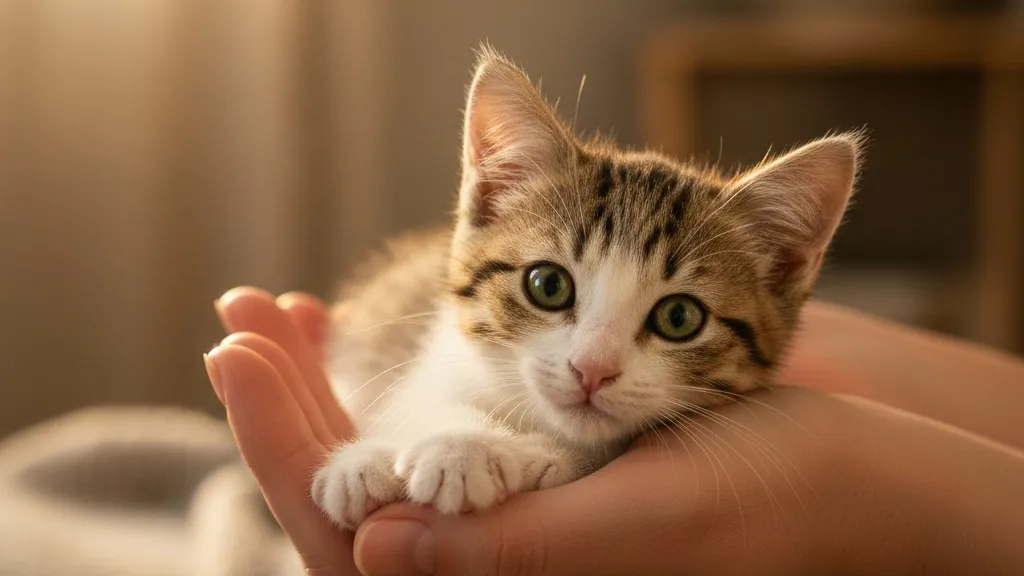
Place your kitten in the litter box after meals, upon waking, and after play sessions. If accidents occur, avoid punishment which creates fear and anxiety around elimination. Instead, clean the area thoroughly with an enzymatic cleaner and place your kitten near the litter box more frequently.
Choose a litter box with low sides that your kitten can easily step over. Avoid covered boxes initially, as the enclosed space may feel intimidating to a young kitten. Place the litter box in an accessible but quiet location away from food and high-traffic areas.
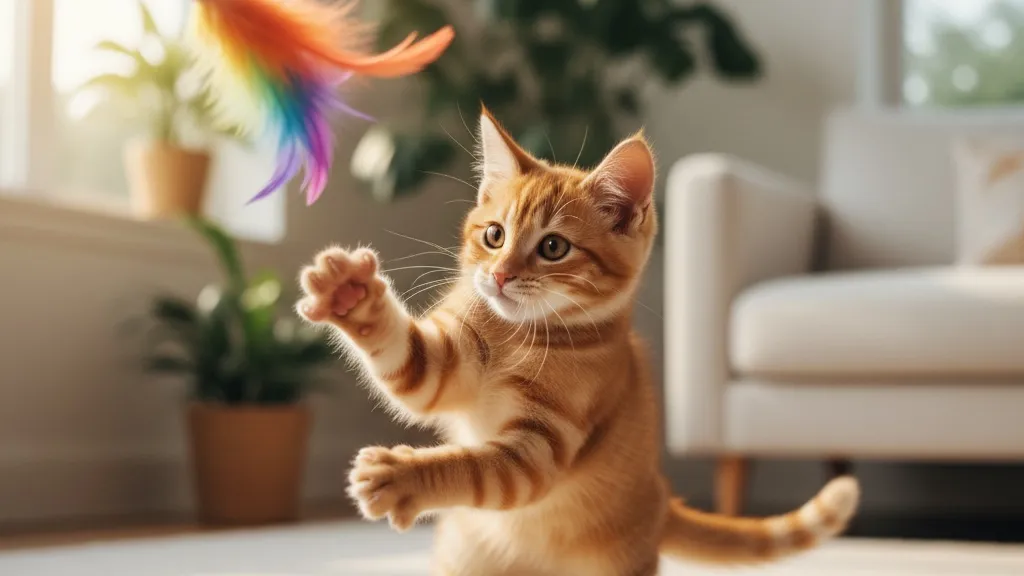
Scratching and Play Training
Kittens naturally need to scratch to maintain healthy claws and stretch their muscles. Providing appropriate scratching surfaces prevents damage to your furniture and belongings.
Introduce scratching posts made of different materials such as sisal rope, cardboard, and carpet. Some kittens prefer vertical surfaces while others like horizontal scratching. Offering variety helps you discover your kitten’s preferences.
Encourage appropriate scratching by placing treats near scratching posts and using catnip to attract your kitten’s interest. When your kitten scratches appropriately, offer praise and rewards to reinforce the behavior.
Redirect inappropriate scratching with a firm but gentle “no” and immediately guide your kitten to an appropriate scratching surface. Never punish your kitten physically or yell, as this creates fear and damages the bond you are building.
Kittenproofing Your Home
Kittens explore their environment with their mouths and paws, investigating everything within reach. This curiosity drives important development but also exposes them to household hazards. Thorough kittenproofing keeps your new companion safe.
Common Household Hazards
Many everyday household items pose risks to kittens who cannot distinguish danger from curiosity. Electrical cords appeal to playful kittens but cause serious injury if chewed. Cover exposed cords or use cord concealers to prevent access.
Toxic plants including lilies, tulips, azaleas, and philodendrons can cause severe illness or death if ingested. Remove these plants from your home or place them in areas completely inaccessible to your kitten. Even small amounts of certain plants can be fatal to cats.
Small objects including coins, buttons, hair ties, and rubber bands can be swallowed and cause intestinal obstructions requiring surgical intervention. Regularly check floors and low surfaces for items your kitten might swallow.
Cleaning products, medications, essential oils, and other chemicals must be stored in secure cabinets or high shelves. Kittens can access many spaces that seem improbable, so assume your kitten can reach anything within their climbing and jumping range.
Safe Spaces and Hiding Spots
Kittens need access to hiding spots where they can retreat when feeling overwhelmed or tired. These spaces provide security and help your kitten develop confidence by allowing them to control their exposure to stimulation.
Cardboard boxes, cat caves, and covered cat beds all provide suitable hiding options. Place these retreat spaces in quiet areas away from household traffic. Having multiple hiding options throughout your home gives your kitten choices about where to rest.
Elevated perches appeal to kittens who feel safest observing from above. Cat trees with multiple levels, window perches, and high shelves provide these observation posts. Ensure any elevated surfaces are stable and cannot tip over if your kitten jumps on them.
Outdoor Safety Considerations
If your kitten will eventually have supervised outdoor access or live primarily outdoors, begin preparing them for outdoor life while ensuring their safety indoors initially.
For indoor-only cats, any outdoor access should be supervised through harness training or enclosed catios. Never allow kittens or cats to roam freely outdoors, where they face dangers including traffic, predators, infectious diseases, and fights with other animals.
If you plan to transition your kitten to an indoor-outdoor lifestyle, wait until they are spayed or neutered (which reduces roaming tendencies), fully vaccinated, and old enough to handle outdoor stress. Even then, supervised outdoor time in safe enclosures provides the best balance of enrichment and safety.
Kitten Care Quick Checklist
Use this checklist to track essential kitten care tasks during your kitten’s first year.
Your kitten needs core vaccinations starting at six to eight weeks with booster shots every three to four weeks until sixteen to twenty weeks. Rabies vaccination occurs at twelve to sixteen weeks.
Feed high-quality kitten food three to four times daily until six months, then transition to three meals daily until transitioning to adult food around twelve months.
Begin parasite prevention medications as recommended by your veterinarian, starting with deworming treatments and continuing with monthly flea and tick prevention.
Schedule a spay or neuter consultation with your veterinarian around four to six months of age to discuss timing for your individual kitten.
Practice daily handling of paws, ears, and mouth to build comfort with grooming and veterinary examinations.
Introduce scratching posts and redirect inappropriate scratching to protect your furniture and satisfy your kitten’s natural scratching instincts.
Begin nail trimming early to establish comfort with this necessary grooming maintenance.
Socialize your kitten gently with new people, sounds, and experiences while watching for signs of overwhelm.
kittenproof your home by securing cords, removing toxic plants, storing chemicals and medications safely, and regularly scanning for small objects that could be swallowed.
Frequently Asked Questions
What do I need to know before getting a kitten?
Before bringing a kitten home, ensure you have appropriate supplies including food, litter box, bed, toys, and scratching posts. Research local veterinarians and schedule an initial wellness visit. Prepare a safe room for the transition and plan for the time investment required for socialization, training, and daily care. Kittens need supervision and engagement, so consider whether your schedule allows adequate attention.
How often should I feed a kitten?
Kittens eight to twelve weeks old need four meals daily because their small stomachs cannot hold enough food for three meals. From twelve weeks to six months, three meals daily typically suffice. By six months to one year, you can transition to two meals daily. Always provide fresh water and adjust portions based on your kitten’s appetite and growth.
When do kittens need shots?
Kittens receive their first FVRCP combination vaccine at six to eight weeks, with booster shots every three to four weeks until sixteen to twenty weeks of age. Rabies vaccination typically occurs at twelve to sixteen weeks. Your veterinarian will recommend non-core vaccines such as feline leukemia based on your kitten’s lifestyle and risk factors.
How do I kittenproof my home?
Secure electrical cords and cables, remove toxic plants such as lilies, store medications and chemicals in secure locations, keep small objects off floors and low surfaces, use baby gates to limit access to unsafe rooms, and check for gaps or spaces where kittens might become stuck. Think from your kitten’s perspective and address any potential hazards within their reach.
At what age can a kitten leave its mother?
Kittens should remain with their mother and littermates for a minimum of eight weeks, with ten to twelve weeks being ideal. This time allows for proper social development, adequate weaning, and learning important cat behaviors. Early separation can lead to behavioral problems and difficulty with social interactions throughout life.
Related Articles
Continue your cat care journey with these helpful guides from CatMeowo.
If you are thinking about adoption, our comprehensive guide walks you through the process of bringing a new cat or kitten into your home.
Prepare your home with our home setup guide to ensure your space is ready for your new companion.
Learn what to expect during the first week with your new cat with tips for a smooth transition.
This article is for informational purposes only and does not constitute veterinary medical advice. Always consult with your veterinarian about your individual kitten’s health care needs. Vaccinations, spay/neuter timing, and other health decisions should be made in consultation with a veterinary professional who understands your kitten’s specific situation.