How to Adopt a Cat: A Complete Step-by-Step Guide
Thinking about adopting a cat? Our complete guide covers shelter vs rescue vs breeder, the application process, fees, and what to expect when bringing your new feline home.

How to Adopt a Cat: A Complete Step-by-Step Guide
Adopting a cat is one of the most rewarding decisions you will ever make. Every year, millions of healthy, loving cats end up in shelters because there simply are not enough homes for them. By choosing adoption, you are not only gaining a loyal companion, you are also saving a life and making room for another animal in need.
Whether you have never shared your home with a cat before or you are ready to add another furry friend to your family, this guide will walk you through every step of the adoption process. We will cover everything from deciding where to adopt to what happens after you bring your new cat home.
Understanding Your Adoption Options
Before you start visiting shelters or rescue organizations, it helps to understand the different places where you can adopt a cat. Each option has its own process, advantages, and considerations.
Animal Shelters
Municipal animal shelters are often the first place people think of when considering cat adoption. These facilities take in animals from the community, including strays and owner surrenders. Many shelters work with limited resources and high volumes of animals, which means the cats in their care may have shorter stays before being adopted or, in some cases, facing difficult outcomes.
The good news is that modern shelters are increasingly focused on lifesaving, and many have implemented programs to help animals find homes faster. Shelter cats come from all backgrounds, ages, and personalities, giving you a truly diverse selection to choose from.

Rescue Organizations
Cat rescue organizations are typically foster-based operations run by volunteers who care for animals in their own homes until permanent homes are found. Because rescue cats live in home environments, they often receive more individual attention, socialization, and training. This can make it easier to assess a cat’s personality and how they might fit into your household.
Rescues usually specialize in cats and understand the specific needs of different breeds, ages, and temperaments. If you are looking for a particular type of cat or if you have specific requirements, a rescue organization might be your best starting point.
Breed-Specific Rescues
If you have your heart set on a particular breed, there are rescues dedicated to specific breeds, from Siamese to Maine Coons to Sphynx cats. These organizations take in cats of that breed who need new homes, whether due to owner surrender or other circumstances. Breed rescues can be an excellent option if you want a certain look or personality trait while still choosing adoption.
Researching Shelters and Rescues
Once you understand your options, spend some time researching organizations in your area. Look for shelters and rescues with strong reputations, transparent practices, and genuine care for animal welfare.
Online reviews can give you insight into other adopters experiences. Did the staff treat people and animals with respect? Were the facilities clean? Did the adoption process feel rushed or overly complicated? These details matter.
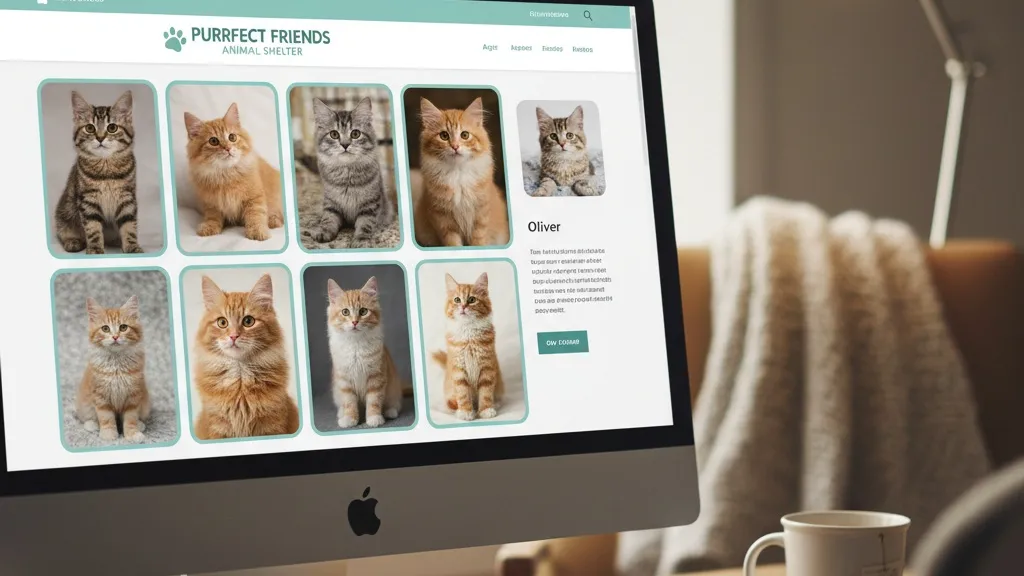
Visit the websites of organizations you are considering. Do they provide clear information about their cats, including health records, personality descriptions, and any known behavioral issues? Reputable rescues and shelters want to set you up for success, not just make a quick adoption happen.
Do not hesitate to call or email with questions. How an organization responds to your inquiries can tell you a lot about their values and level of commitment to their animals.
The Application Process
Most shelters and all rescue organizations require potential adopters to fill out an application. This step is not meant to be intimidating. It exists to ensure that cats are placed in appropriate, lasting homes.
What to Expect on the Application
Cat adoption applications typically ask about your living situation, experience with pets, daily schedule, and plans for caring for your new cat. You will likely need to provide references, and some applications ask for permission to verify your rental situation or landlord approval if you rent your home.
Be honest in your application. If you have never had a cat before, say so. Most organizations appreciate newcomers who are eager to learn. If you have other pets, describe them and their temperaments. If your schedule involves long hours away from home, discuss how you plan to ensure your cat receives enough attention and enrichment.
The Interview or Home Visit
Some rescues require a home visit as part of their process. A volunteer may come to your home to verify that it is a safe, appropriate environment for a cat. They might check for things like secure windows, accessible litter box locations, and whether there are any obvious hazards.
Do not stress about a home visit. This is not a white-glove inspection. The goal is simply to make sure your home is a reasonable place for a cat to live. If you have questions about what they are looking for, ask upfront.
Understanding Adoption Fees
Adoption fees vary widely depending on the organization and what is included. Municipal shelters often have lower fees, sometimes ranging from twenty-five to one hundred dollars. Rescue organizations may charge more, typically between one hundred and three hundred dollars, because they usually cover more extensive veterinary care.
What Your Fee Covers
Adoption fees typically include core veterinary care. Most organizations spay or neuter their animals before adoption, which is one of the most important things you can do for your new cat’s health and for preventing future litters. Fees also usually cover vaccinations appropriate for the cat’s age, flea and worm treatments, and microchipping.
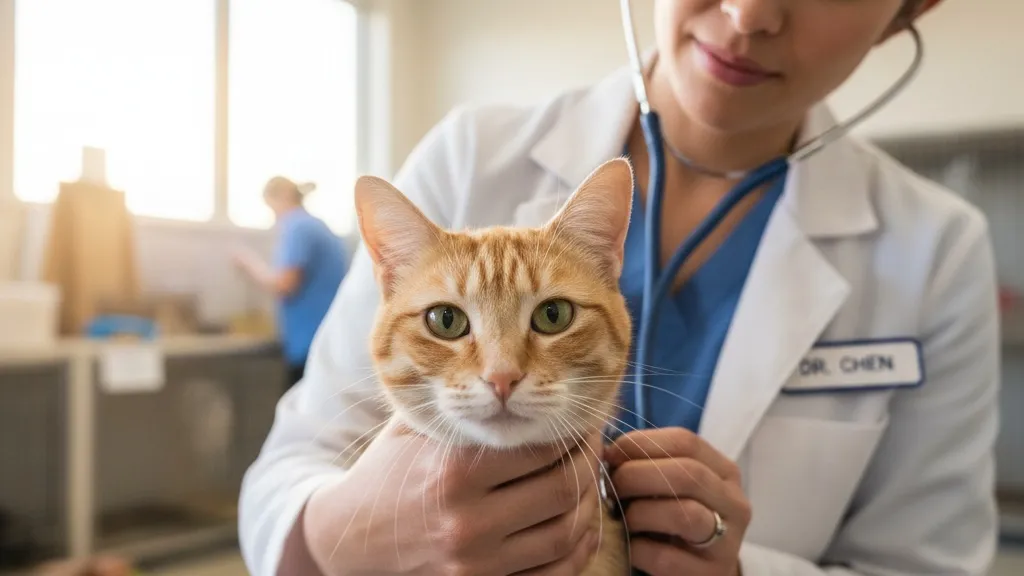
Some rescues include additional services, such as dental cleanings, bloodwork, or even lifetime microchip registration. When comparing adoption fees, ask what is included so you understand the full value.
Meeting and Choosing Your Cat
This is often the most exciting part of the adoption process. Many shelters and rescues allow you to meet potential cats before making a decision. Some places will let you interact with cats in private meeting rooms, while others let you spend time with them in their housing areas.
Tips for Meeting a Potential Cat
When you meet a cat for the first time, let them set the pace. Sit quietly and let the cat approach you on their own terms. Some cats are immediately affectionate, while others need time to warm up. A cat who seems shy or reserved in a shelter setting may blossom in a quiet home.
Pay attention to body language. A cat with relaxed body posture, slow blinking eyes, and a gently swishing tail is likely feeling comfortable. Flattened ears, dilated pupils, or a rapidly swishing tail can signal fear or stress. Neither response tells you everything about what the cat will be like in your home, but it gives you useful information in the moment.
Ask the shelter staff or foster volunteer about what they have observed. They have spent time with the cat and can offer insights into personality, habits, and behavior that you would not see in a brief visit.

Choosing the Right Cat for Your Lifestyle
Every cat is an individual, and the “right” cat depends entirely on your lifestyle and what you are looking for in a companion.
If you have a busy household with children or other pets, you might need a cat with a laid-back temperament who can handle the activity. If you live alone and want a constant companion, a more affectionate, attention-seeking cat might be ideal. If you travel frequently for work, you might consider whether your schedule allows for a single cat or if two cats would be a better choice.
There is no wrong answer. The key is being honest with yourself about what you can realistically provide.
The Paperwork and Final Steps
Once you have found your perfect match, you will complete the final adoption paperwork. This typically includes an adoption contract that outlines your responsibilities as a pet owner, such as providing veterinary care, keeping your cat indoors or in a safely enclosed outdoor space, and agreeing not to surrender the cat to a shelter if circumstances change.
Read the contract carefully and ask questions if anything is unclear. A good adoption contract protects both you and the animal.
After the paperwork is signed and your adoption fee is paid, you are ready to take your new cat home. Many organizations will provide a starter supply of food, medical records, and information about the cat’s history. Some rescues remain available as a resource for questions even after the adoption is complete.
Bringing Your New Cat Home
The journey home is just the beginning of your life together. Your new cat may be nervous at first. Some cats hide for days after arriving in a new environment. This is completely normal behavior, and patience is essential during this adjustment period.
Make sure you have prepared a quiet space with everything your cat needs: a litter box, food and water bowls, a comfortable bed, and some toys. Let your cat explore at their own pace, and resist the urge to force interactions.

Within the first week, you should schedule a veterinary checkup. This gives you a baseline for your cat’s health and allows you to discuss vaccinations, parasite prevention, and any questions you might have about nutrition or care.
Related Articles
If you found this guide helpful, you might also enjoy reading about preparing your home for a new cat and what to expect during your cat’s first week at home. These resources will help you feel confident and ready for every stage of your adoption journey.
Adopting a cat is a decision that will bring years of love, laughter, and companionship into your life. By choosing to adopt, you are giving a deserving animal a second chance at happiness. That is something truly worth celebrating.