Preparing Your Home for a New Cat: The Complete Checklist
Bringing a new cat home soon? Learn everything you need to cat-proof your space, gather essential supplies, and set up the perfect environment for your feline friend.
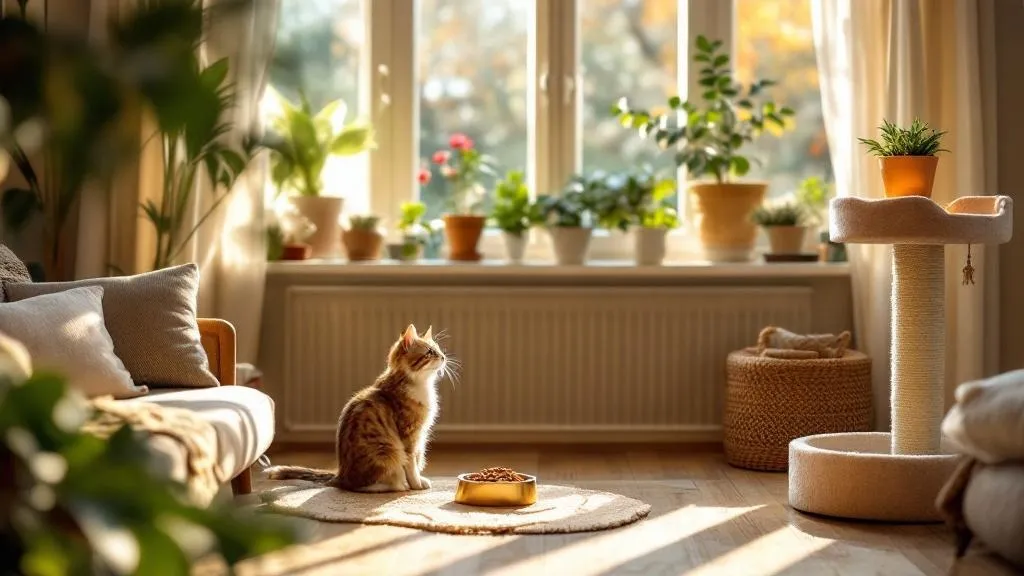
Preparing Your Home for a New Cat: The Complete Checklist
The day you bring your new cat home is exciting for everyone involved. You have been anticipating this moment, and your new companion is about to experience their forever home for the first time. A little preparation goes a long way toward making this transition smooth and stress-free for both of you.
Setting up your home before your cat arrives is one of the most thoughtful things you can do. Cats are creatures of habit who feel safest when their environment is predictable. By preparing a well-thought-out space, you are giving your new friend the best possible start in their new life with you.
Cat-Proofing Your Space
Before your cat can safely explore every corner of your home, you need to make sure those corners are safe for a curious feline. Cats explore with their paws and mouths, which means they can get into trouble in places you might not expect.
Common Household Hazards
Take a walk through your home from a cat’s eye level and look for potential dangers. Electrical cords are irresistible to many cats, who see them as something like dangling toys. Tuck cords behind furniture or use cord covers to prevent chewing accidents.
Many common houseplants are toxic to cats, including lilies, azaleas, philodendrons, and aloe vera. If you have plants that could harm your cat, either move them to a room your cat cannot access or rehome them altogether. The American Society for the Prevention of Cruelty to Animals maintains a comprehensive list of toxic and non-toxic plants on their website that you can reference.
Cleaning products, medications, and small items that a cat might swallow should be stored in cabinets with secure latches. Cats are surprisingly adept at opening cabinets, so simple latches are worth the investment.
Check that window screens are secure. Cats love to watch birds from windows, and an unsecured screen is an accident waiting to happen. Make sure screens are firmly in place and can not be pushed out by a determined cat.

Creating Safe Spaces
Cats need places to hide when they feel overwhelmed. Before your cat comes home, identify several spots around your house where they can retreat and feel secure. This might be a quiet corner of a bedroom, a closet with the door left slightly ajar, or a covered cat bed placed in a low-traffic area.
Vertical space is also important for cats. Cat trees, shelving units, and tall furniture give cats places to climb and survey their territory from above. This is especially valuable in multi-person households or homes with other pets.
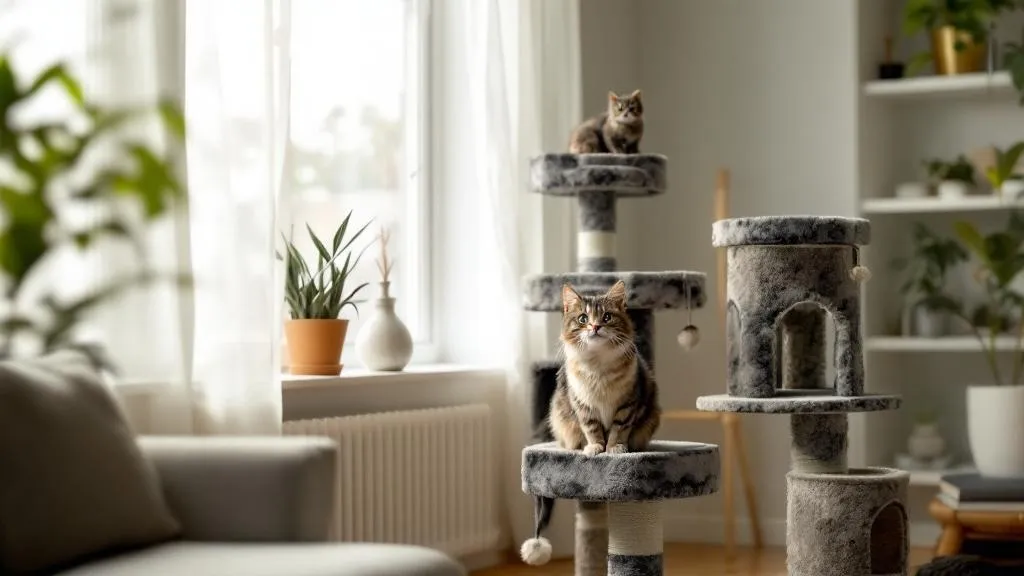
Essential Supplies Checklist
Having the right supplies on hand before your cat arrives means you will not have to scramble for anything during those first critical days. Here is what you need.
Food and Water
Your cat will need food and water bowls. Ceramic, glass, and stainless steel are good choices because they are easy to clean and do not harbor bacteria the way some plastics can. Some cats prefer shallow bowls because deep ones can push against their whiskers.
Consider where to place the bowls. Cats generally prefer to eat away from their water source, as in the wild, water near food could be contaminated. Keep food and water bowls in different locations if possible.
If you are adopting from a shelter or rescue, ask what food your cat has been eating. Switching foods suddenly can cause digestive upset, so it is best to start with what the cat knows and transition to a new food gradually over seven to ten days if you want to change it.
Litter Box Setup
The general rule is one litter box per cat, plus one extra. If you have one cat, that means two litter boxes. If you have two cats, you need three. This reduces stress around territory and helps prevent accidents.
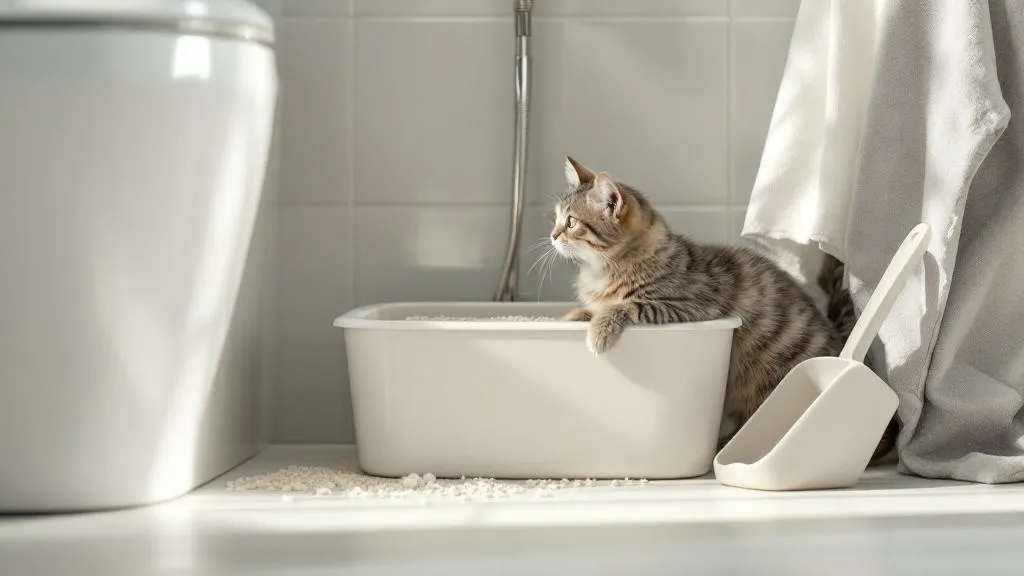
Litter boxes should be placed in quiet, accessible locations away from your cat’s food and sleeping areas. Avoid placing them in corners where a cat might feel trapped if another pet approaches. Basements, bathrooms, and laundry rooms are common choices, as long as they are areas your cat can reach easily.
For kittens or older cats, choose boxes with low sides for easy entry. Standard litter boxes work fine for most adult cats. Covered boxes offer privacy but some cats find them too enclosed. If you use a covered box, make sure it is large enough that your cat can turn around comfortably.
Regarding litter, most cats prefer fine-grained, unscented litter. Clumping litter is easier to keep clean because you can remove waste daily. Scented litters may smell pleasant to humans but can be off-putting to cats with sensitive noses.
Bedding and Comfort
A comfortable bed gives your cat a place to rest that feels safe and secure. Place it in a quiet area, perhaps near a sunny window or in a cozy corner. Some cats prefer elevated beds, while others like enclosed spaces like caves or tunnels. Having a few options around the house lets your cat choose what feels right.
A blanket that smells like you can be comforting for a cat in a new environment. Simply placing one in your cat’s bed or favorite resting spot can help them feel less alone during the adjustment period.
Scratching Posts and Toys
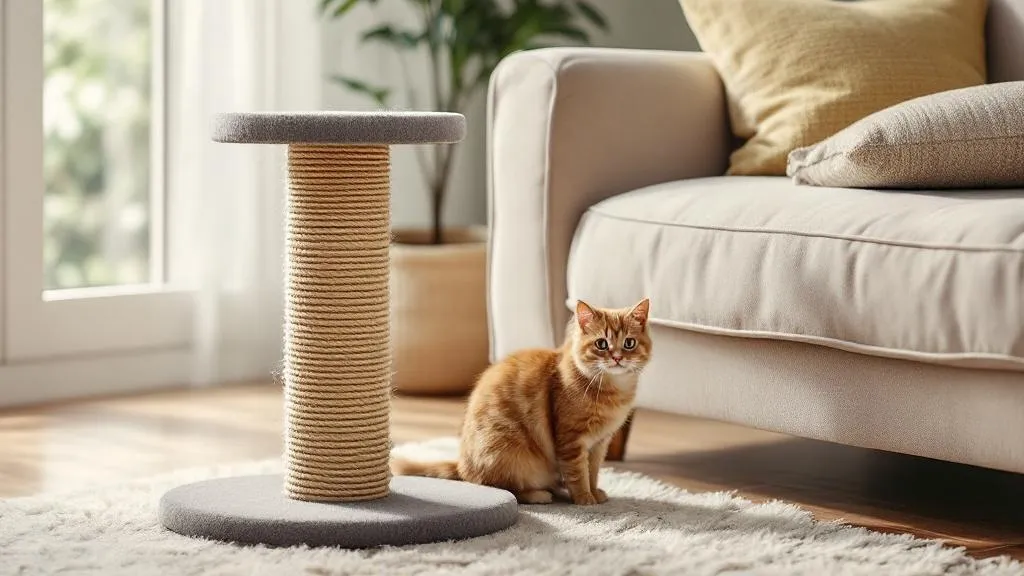
Scratching is a natural behavior for cats, not something you can or should try to eliminate. Providing appropriate scratching surfaces saves your furniture and satisfies your cat’s instinctual need to mark territory with their claws.
Scratching posts should be tall enough for your cat to stretch fully, typically at least three feet tall. They should also be sturdy enough not to wobble or tip over during use. Sisal rope and corrugated cardboard are popular materials. Place posts near furniture your cat might be tempted to scratch, as cats like to scratch in high-traffic areas.
Toys keep your cat entertained and provide mental stimulation. A variety of toys is best. Wand toys let you interact with your cat and simulate hunting behavior. Small toys that can be batted around provide independent play. Puzzle feeders combine play with mealtime enrichment.
Setting Up a Safe Room
Many adoption experts recommend creating a dedicated safe room for your new cat during their first few days at home. This is especially helpful if you are adopting a shy or fearful cat, but even confident cats benefit from having a smaller space to adjust to at first.
A spare bedroom, a large bathroom, or a quiet corner of a living room works well for this purpose. Stock the space with everything your cat needs: litter box, food and water, bed, toys, and something with your scent on it.

Let your cat explore this room at their own pace. Keep the door closed so they are not overwhelmed by the rest of the house at once. After a few days, you can start opening the door to let them venture out when they are ready.
One-Time Versus Ongoing Costs
Understanding the financial commitment of cat ownership helps you plan accordingly. Some expenses are one-time costs, while others recur throughout your cat’s life.
One-Time Costs
Initial supplies, including litter boxes, bowls, a carrier, scratching posts, and bedding, typically cost between one hundred and three hundred dollars depending on quality and quantity. A sturdy cat carrier is essential for safe transportation to the vet and should be large enough for your cat to stand up and turn around in comfortably.
Spay or neuter surgery, if not already done by the shelter or rescue, can cost between one hundred and five hundred dollars. This is a critical procedure for your cat’s health and for preventing unwanted litters.
Ongoing Costs
Annual veterinary care, including checkups, vaccinations, and parasite prevention, typically runs between two hundred and four hundred dollars per year. Emergency veterinary care can cost significantly more, which is why many cat owners set aside a small emergency fund or consider pet insurance.
Cat food costs vary depending on the brand and type you choose. Expect to spend roughly twenty to sixty dollars per month on food for one cat. Higher quality foods may cost more upfront but can reduce veterinary expenses down the line by supporting better overall health.
Litter costs depend on the type you use and how many boxes you maintain. Most cat owners spend thirty to fifty dollars per month on litter.
Welcoming Other Pets
If you already have pets, the introduction process requires extra care and patience. Cats are territorial, and a gradual introduction is almost always necessary.
Start by keeping your new cat in their safe room while your existing pets become aware of the new arrival through smell. Exchange bedding between animals so they can get used to each other scents before any face-to-face meetings.
After a few days, you can begin supervised introductions. Keep initial meetings short and positive. Reward both animals for calm behavior. Separate them if any signs of aggression appear and try again later.
The timeline for full integration varies. Some cats become friends within weeks. Others need months to peacefully coexist. The goal is not speed but rather creating an environment where all your pets feel safe.
Related Articles
Bringing a new cat into your home is a journey, not a single day. Once you have prepared your space, learn what to expect during your cat’s first week at home so you can navigate the adjustment period with confidence. You might also enjoy our article on how to adopt a cat if you are still in the planning stages.
Preparing your home is an act of love. When your cat arrives and feels safe, comfortable, and welcomed, you will know that every bit of preparation was worth it.