Can Cats Eat Cheese? The Truth About Dairy and Cats
Wondering if cats can eat cheese? Learn about lactose intolerance in cats, which cheeses are safer, and when to avoid dairy altogether.

Can Cats Eat Cheese? The Truth About Dairy and Cats
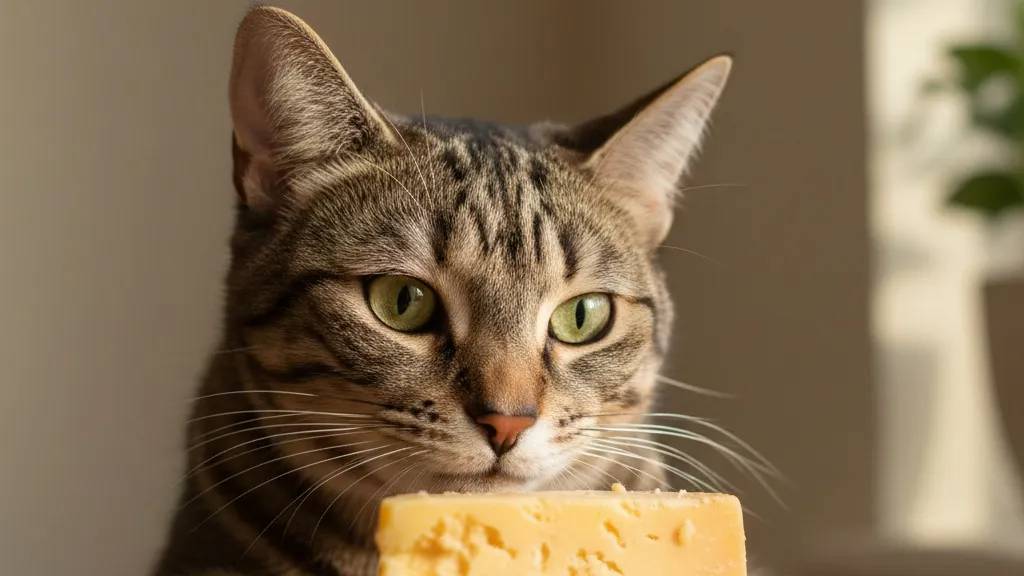
The image of a cat happily lapping up milk from a saucer is deeply embedded in our cultural ideas about cats. But the reality for most adult cats is quite different. Many cat owners wonder whether dairy products like cheese are safe treats, and the answer may surprise you. Understanding how cats process dairy is essential for keeping your feline friend healthy. This guide explains everything you need to know about cats and cheese.
Quick Answer: Can Cats Eat Cheese?
Most cats cannot digest cheese properly because they are lactose intolerant. While some individual cats may tolerate small amounts of certain cheeses, the majority of cats lack sufficient lactase enzyme to break down the lactose in dairy products. This can lead to digestive upset including diarrhea, vomiting, and gas. If you want to give your cat dairy as an occasional treat, choose low-lactose options and limit portions carefully.
Why Cats and Dairy Do Not Mix
The image of cats happily lapping up milk from a saucer is a classic one, but it does not reflect biological reality for most adult cats. Understanding why requires a closer look at feline digestion.
Cats are obligate carnivores, which means their digestive systems are optimized for processing animal protein, not plant-based or dairy foods. Unlike human children who can often digest dairy well into adulthood, cats typically lose the ability to digest lactose after they are weaned from their mother’s milk.
When a kitten is nursing, they produce lactase, the enzyme needed to digest lactose, the sugar found in milk. Once kittens stop nursing and transition to solid food, most cats produce significantly less lactase. Without adequate lactase, lactose passes through the digestive system undigested and ferments in the large intestine, causing the uncomfortable symptoms associated with lactose intolerance.
This does not mean every cat will have a severe reaction to cheese. Some cats retain enough lactase activity to tolerate small amounts of dairy without obvious symptoms. However, even cats who appear unaffected may be experiencing low-grade digestive discomfort that they cannot communicate to us.
The amount of lactose in cheese varies depending on the type of cheese and how it is processed. Hard cheeses generally contain less lactose than soft cheeses, making them slightly safer options for cats who seem to tolerate dairy.
Which Cheeses Are Safer for Cats
If you decide to give your cat cheese despite the risks, some types are safer than others.
Hard Cheeses
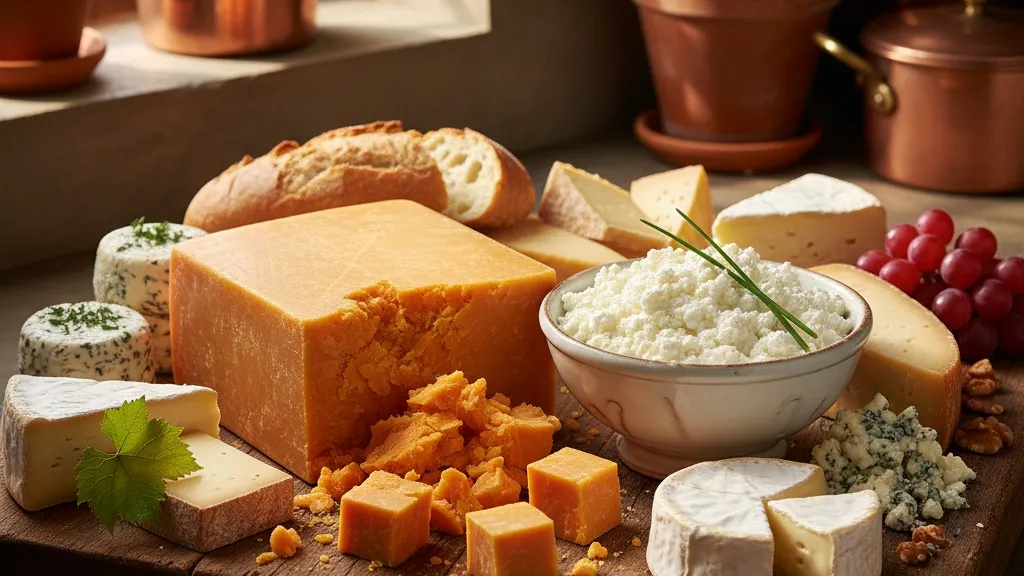
Hard, aged cheeses like cheddar, Swiss, and parmesan contain less lactose than softer cheeses because the aging process breaks down some of the lactose. These cheeses also tend to be lower in moisture, which means you are giving your cat a smaller volume for the same caloric content.
That said, even hard cheeses should be considered high-risk treats. The lactose content may be reduced, but it is not eliminated entirely. Proceed with extreme caution if you choose to offer hard cheese to your cat.
Low-Lactose Cheese Options
Some cheese varieties are specifically marketed as low-lactose or lactose-free. These products have been processed to remove or break down lactose, making them potentially safer for cats with lactose intolerance. However, they may still contain dairy proteins that can trigger allergic reactions in some cats.
Cottage Cheese
Cottage cheese has a lower lactose content than many other dairy products and is sometimes offered to cats as a source of protein and calcium. However, it is still dairy and carries the same risks as other cheese varieties. If your cat tolerates small amounts of cottage cheese, it can be an occasional treat, but monitor carefully for digestive upset.
Cheeses to Avoid
Some cheese varieties are particularly risky for cats and should be avoided entirely.
Soft Cheeses
Cream cheese, brie, camembert, feta, and goat cheese all have higher lactose content than hard cheeses. They also tend to have higher moisture content, meaning your cat would consume more lactose in a smaller portion. These cheeses are more likely to cause digestive upset.
Blue Cheeses
Blue cheeses like roquefort, gorgonzola, and stilton contain mold, which may be problematic for cats. The mold cultures used in these cheeses can potentially cause digestive issues or allergic reactions in some cats. Additionally, the high fat content and strong flavors make them poor choices.
Processed Cheese
American cheese, cheese spreads, and other processed cheese products often contain additives, preservatives, and higher sodium content than natural cheese. These products offer no nutritional benefit to cats and may contain ingredients that are harmful in quantity.
Flavored Cheeses
Any cheese that contains added ingredients like garlic, onions, herbs, or spices should be avoided. Garlic and onions are toxic to cats and can cause damage to red blood cells. Many flavored cheeses also contain higher sodium levels, which is not ideal for cats.
Signs of Cheese-Related Digestive Upset
If your cat eats cheese and is lactose intolerant, you may notice several symptoms.
Diarrhea
Loose stools or diarrhea is one of the most common signs of lactose intolerance in cats. It can occur within a few hours of consuming dairy and may persist until the lactose has passed through the digestive system.
Vomiting
Some cats will vomit after eating cheese, especially if they consume a larger amount or are particularly sensitive to dairy products.
Gas and Bloating
The fermentation of undigested lactose produces gas, which can cause visible bloating and discomfort in your cat. You may hear stomach gurgling or notice your cat seeming restless.
Loss of Appetite
If your cat feels unwell after eating cheese, they may temporarily lose interest in their regular food. This usually resolves once the dairy has been digested.
Behavioral Changes
Discomfort from digestive upset may cause your cat to be less active than usual, hide more, or show signs of distress. Cats often hide their discomfort, so subtle behavioral changes can be important indicators.
Safer Alternatives to Cheese
If you want to give your cat a tasty treat without the risks associated with dairy, several alternatives exist.
Commercial Cat Treats
Many commercial cat treats are formulated to be safe and nutritious for cats. Look for treats made with high-quality protein sources and avoid those with excessive fillers, artificial colors, or preservatives.
Plain Cooked Meat
Small amounts of plain, cooked chicken, turkey, or fish make excellent treats for cats. These align with cats’ carnivorous dietary needs and are less likely to cause digestive issues than dairy products.
Cat-Safe Vegetables
Some cats enjoy small amounts of cooked vegetables like pumpkin or green beans. Pumpkin is particularly good for digestive health and is often recommended by veterinarians for cats with mild digestive upset.
Commercial Lactose-Free Cat Milk
Products specifically designed as cat milk are available and are lactose-free, making them safe alternatives if you want to give your cat a milk-like treat. These are formulated to be digestible and nutritious for cats.
How to Introduce Cheese Safely (If You Choose To)
If you decide to give your cat cheese despite the risks, take precautions to minimize potential harm.
Start Small
Begin with an extremely small piece, no larger than a pea-sized amount. Wait 24 hours to see if any adverse reactions occur before considering offering more.
Choose the Right Type
If you are determined to offer cheese, select a hard, aged variety with lower lactose content. Avoid soft cheeses, blue cheeses, and any cheese with added ingredients.
Monitor Closely
Watch your cat for any signs of digestive upset over the 24 to 48 hours following cheese consumption. If any symptoms appear, avoid giving your cat cheese in the future.
Keep Portions Small
Even if your cat tolerates cheese well, limit it to occasional tiny treats. Cheese should never become a regular part of your cat’s diet.
Frequently Asked Questions
Why can kittens drink milk but adult cats cannot?
Kittens produce lactase enzyme while nursing to digest their mother’s milk. Once they are weaned, most cats produce significantly less lactase. This is a normal developmental change in feline digestion, not a defect or problem.
My cat loves cheese and seems fine after eating it. Is it still harmful?
Cats may not show obvious symptoms of lactose intolerance even when they are experiencing digestive discomfort. The fermentation of lactose can cause low-grade inflammation that is not always visible. Even if your cat seems fine, regular cheese consumption can lead to chronic digestive issues over time.
Are there any health benefits to feeding cats cheese?
Cheese does contain protein, calcium, and other nutrients. However, these nutrients can be obtained from more appropriate sources that do not carry the risk of lactose intolerance. The potential harms of feeding cheese to cats outweigh any minor nutritional benefits.
Can I give my cat milk instead of cheese?
Cow’s milk has higher lactose content than most cheeses and is more likely to cause digestive upset. If you want to give your cat milk, choose commercial cat milk products that are specifically formulated to be lactose-free.
What about lactose-free cheese for cats?
Lactose-free cheese is safer than regular cheese but still contains dairy proteins that some cats may be allergic to. It should still be offered only as an occasional treat in very small amounts.
Related Articles
Learn more about feline nutrition by reading our articles on can cats eat eggs and can cats eat bananas. For information on building a complete diet, see our guide to best dry cat food.
Veterinary Disclaimer
Always consult your veterinarian before introducing new foods to your cat’s diet. Every cat is different, and what works well for one may not be appropriate for another. Your veterinarian can provide personalized guidance based on your cat’s age, health status, weight, and specific dietary needs.