Can Cats Eat Bananas? Safe Fruits for Cats Explained
Wondering if cats can eat bananas? Learn about the safety of feeding bananas to cats, including portion guidelines and healthier alternatives.
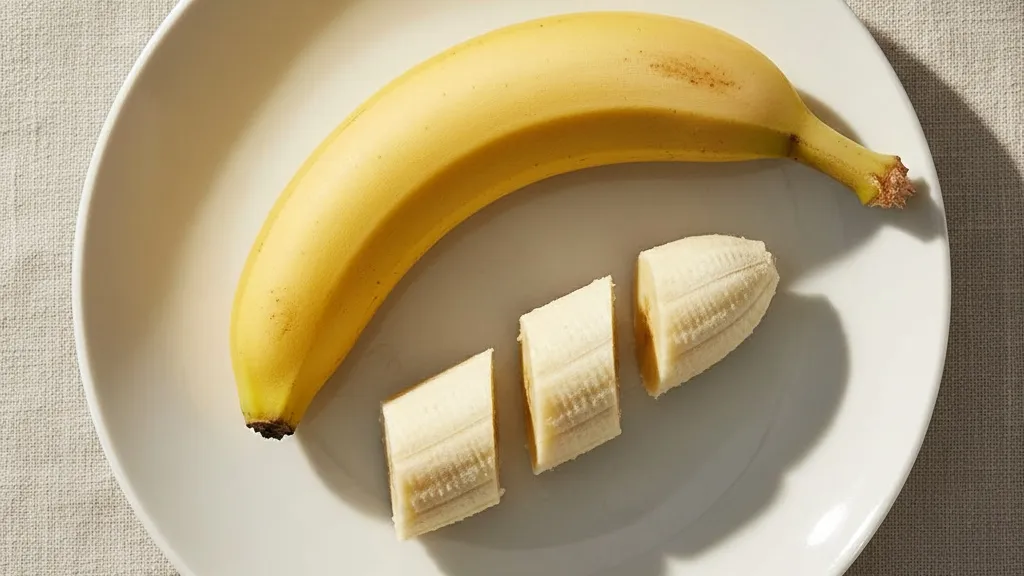
Can Cats Eat Bananas? Safe Fruits for Cats Explained
Bananas are a popular human snack that some cat owners wonder about sharing. With their soft texture and sweet taste, bananas might seem like a healthy treat option. But cats are obligate carnivores with very different nutritional needs than humans. Before you offer banana to your feline friend, it is important to understand whether this fruit is appropriate for cats. This guide explains everything you need to know about cats and bananas.
Quick Answer: Can Cats Eat Bananas?
Yes, cats can eat bananas, but only in very small amounts as an occasional treat. Bananas are not toxic to cats, but they are high in sugar and low in nutritional value for felines. Cats are obligate carnivores and derive no nutritional benefit from fruits like bananas. If you offer banana to your cat, keep portions tiny and infrequent.
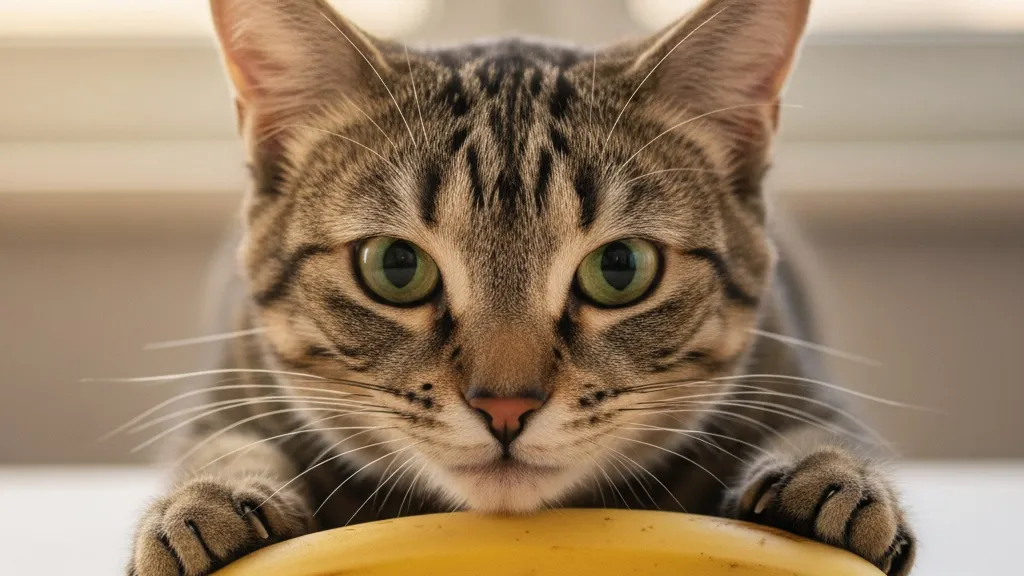
Are Bananas Safe for Cats?
Bananas are not toxic to cats, which means they will not poison your feline companion if consumed in small quantities. However, safety and suitability are different things. Just because a food will not kill your cat does not mean it belongs in their diet.
The primary concerns with feeding bananas to cats are the high sugar content and the fact that cats have no biological need for fruit. Cats are obligate carnivores, meaning their digestive systems are optimized for processing animal protein, not plant sugars. Their taste buds also cannot detect sweetness, so cats do not experience the pleasure from eating sweet foods that humans do.
When a cat eats banana, they are getting calories from sugar without any of the essential nutrients that would make those calories worthwhile. This is not to say that a tiny piece of banana will harm your cat, but it provides no real benefit either.
Some cats may show interest in banana because of its soft texture or the attention they receive from their owner when eating it. This behavioral response does not indicate that banana is good for cats; it simply means your cat has learned that this particular human food results in interaction and possible treats.
If you want to give your cat a special treat, there are much better options than banana that align with their carnivorous dietary needs.
Nutritional Content of Bananas
Understanding what bananas contain can help you make informed decisions about sharing them with your cat.
Sugar
Bananas are relatively high in natural sugars, containing about 14 grams of sugar per medium banana. For humans, this is fine as part of a balanced diet. For cats, who have no requirement for dietary carbohydrates or sugars, this is unnecessary calories that can contribute to weight gain if offered regularly.
Fiber
Bananas contain some fiber, which can help with digestion. However, cats already get adequate fiber from their regular cat food, and too much fiber can actually cause digestive upset or interfere with nutrient absorption.
Potassium
Bananas are well-known for their potassium content, an essential mineral for heart and muscle function. While potassium is important for cats, they obtain sufficient amounts from their regular diet, so supplemental potassium from banana is not needed.
Vitamin C
Humans need vitamin C from their diet because our bodies cannot produce it. Cats can synthesize their own vitamin C, so they have no dietary requirement for it. Any vitamin C in banana is unnecessary for cats.
Vitamin B6
Bananas contain vitamin B6, which does play a role in feline metabolism. However, cats get adequate B vitamins from their meat-based diet, making banana supplementation pointless.
Water Content
One benefit of banana is its high water content, which is around 75 percent. Cats who do not drink much water might get some hydration from fruit, but cats should primarily receive moisture from their water bowl or wet food, not from inappropriate treats.
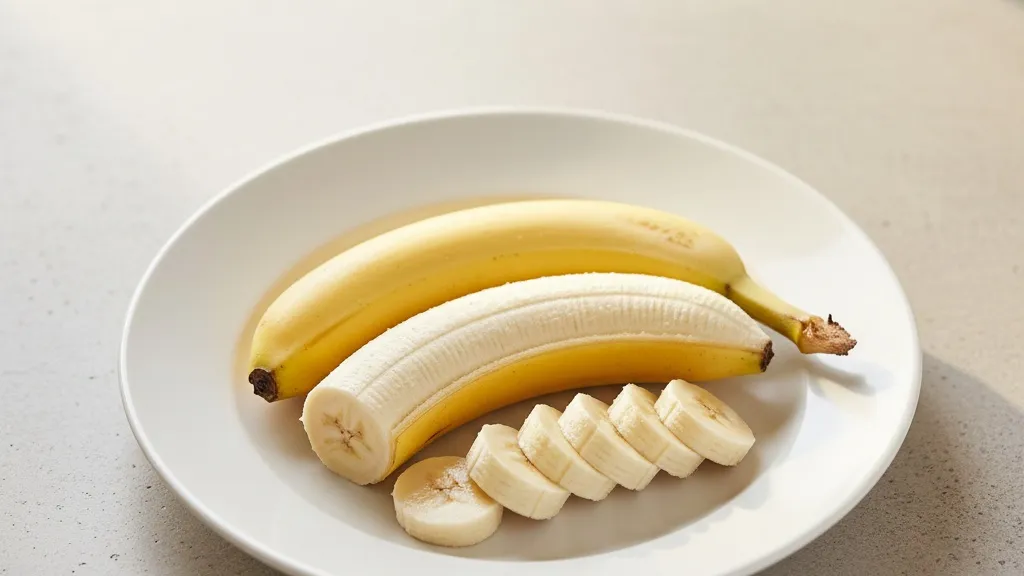
Potential Risks of Feeding Bananas to Cats
While banana is not toxic, there are several reasons to limit or avoid this fruit in your cat’s diet.
High Sugar Content
The sugar in banana can contribute to obesity and related health problems in cats, including diabetes. Overweight cats are at increased risk for joint problems, heart disease, and reduced quality of life. Even small amounts of high-sugar foods can add up over time if given frequently.
Digestive Upset
Some cats have sensitive stomachs and may experience digestive upset from eating banana, including diarrhea or vomiting. The fiber content, while beneficial in small amounts, can cause problems if too much is consumed.
False sense of nutrition
Because banana is considered healthy for humans, cat owners may assume it is equally beneficial for cats. This is not true. Cats have different nutritional requirements than humans, and foods that are good for us are not necessarily good for our feline companions.
Behavioral issues
Giving your cat human food can lead to begging behavior, food guarding, and an expectation of treats. Cats who receive table scraps or fruit treats often develop demanding behaviors around feeding time.
How to Safely Feed Banana to Your Cat
If you decide to offer banana to your cat, following these guidelines can help minimize risks.
Portion Size
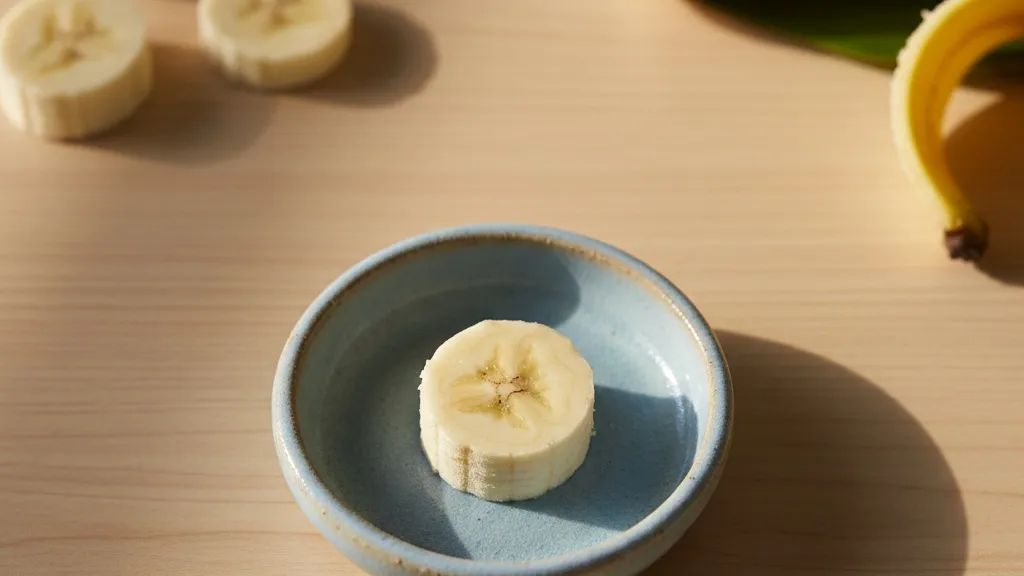
The appropriate portion for a cat is extremely small, roughly one to two teaspoons at most. This is about one or two small bites of banana. Any more than this provides unnecessary sugar without benefit.
Frequency
Banana should be an occasional treat at best, perhaps once a month or less. Regular feeding of banana would contribute unnecessary sugar to your cat’s diet and could lead to weight gain or digestive issues.
Preparation
Peel the banana completely and remove any seeds if present (though bananas typically do not have seeds in the way humans eat them). Cut the banana into small, appropriately sized pieces for your cat. Never offer frozen banana pieces that could be a choking hazard.
Observe Your Cat
After offering banana, watch your cat for any signs of digestive upset, unusual behavior, or allergic reaction. If any problems occur, do not offer banana again.
Safer Alternatives to Banana
If you want to give your cat a treat, there are much more appropriate options than banana that align with their carnivorous nature.
Cooked Meat
Plain, cooked chicken, turkey, or rabbit makes an excellent treat for cats. These proteins are what cats are designed to eat and provide genuine nutritional benefit.
Fish
Small amounts of cooked fish like salmon, tuna (in moderation), or white fish can be a tasty treat for cats. Always cook fish thoroughly and avoid any seasoned or oil-packed preparations.
Commercial Cat Treats
Many commercial cat treats are formulated to be safe and nutritionally appropriate for cats. Look for treats with real meat as the primary ingredient.
Catnip or Cat Grass
Some cats enjoy catnip or cat grass, which are safe and can provide mental stimulation. These do not have the sugar content of fruit and are more appropriate for feline enrichment.
Freeze-Dried Meat
Freeze-dried chicken, beef, or fish treats are available commercially and provide a protein-rich, low-carbohydrate treat option that aligns with cats’ nutritional needs.
Fruits That Are Safer Than Bananas
If you are determined to offer fruit to your cat, some options are safer than others.
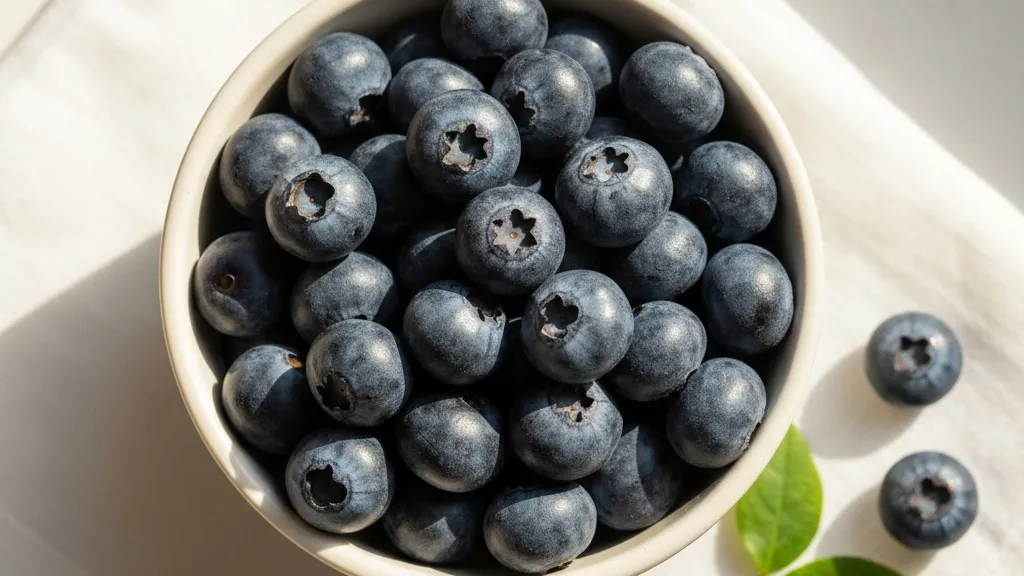
Blueberries
Blueberries are lower in sugar than bananas and contain antioxidants. Offer only a few small berries at a time as an occasional treat.
Watermelon
Watermelon has high water content and can help with hydration. Remove all seeds and the rind, and offer only small amounts.
Cantaloupe
Cantaloupe is relatively low in sugar compared to other fruits and contains vitamins that may benefit cats. Offer in strict moderation.
Pumpkin
Cooked pumpkin (not pie filling) is actually beneficial for cats and is often recommended by veterinarians for digestive health. It is high in fiber and low in sugar, making it one of the safer fruit options.
Signs Your Cat Should Not Eat Banana
Some cats should not have banana under any circumstances.
Diabetic Cats
Cats with diabetes cannot process sugar efficiently, making high-sugar foods like banana particularly dangerous. Even small amounts could cause blood sugar spikes.
Overweight Cats
Bananas contribute unnecessary sugar and calories to a cat’s diet. For cats who are already overweight, every unnecessary calorie matters.
Cats with Digestive Issues
Cats with chronic digestive problems, inflammatory bowel disease, or other gastrointestinal conditions may be particularly sensitive to new foods like banana.
Frequently Asked Questions
Why does my cat seem to like banana?
Your cat may show interest in banana because of its soft, pliable texture rather than its taste (cats cannot taste sweetness). Some cats are also attracted to the smell of banana or have learned that human interaction happens when their owner offers this food. This interest does not indicate that banana is good for your cat.
Can kittens eat banana?
Kittens can have a tiny taste of banana as an extremely occasional treat, but their primary nutrition should come from their mother’s milk or a formulated kitten food. Kittens have very specific nutritional requirements for growth and development that banana cannot meet.
Is banana toxic to cats?
No, banana is not toxic to cats. It will not poison your cat the way chocolate, onions, or grapes can. However, it is not an appropriate food for cats due to its high sugar content and lack of nutritional value.
Can cats eat banana chips?
Banana chips are not recommended for cats. They are often fried in oil, may contain added sugar or preservatives, and have a hard texture that could pose a choking hazard. The frying also adds unnecessary fat.
What if my cat accidentally eats a lot of banana?
If your cat consumes a large amount of banana, watch for signs of digestive upset including vomiting, diarrhea, or lethargy. Contact your veterinarian if you notice any concerning symptoms, especially if your cat has underlying health conditions like diabetes.
Related Articles
Learn more about safe and unsafe foods for your cat by reading our articles on can cats eat cheese and can cats eat chicken. For information on building a complete diet, see our guide to best dry cat food and best wet cat food.
Veterinary Disclaimer
Always consult your veterinarian before introducing new foods to your cat’s diet. Every cat is different, and what works well for one may not be appropriate for another. Your veterinarian can provide personalized guidance based on your cat’s age, health status, weight, and specific dietary needs.