Can Cats Eat Tuna? What Every Cat Owner Should Know
Is tuna safe for cats? Learn about the risks of feeding tuna to your cat, including mercury concerns, addiction potential, and proper portion guidelines.
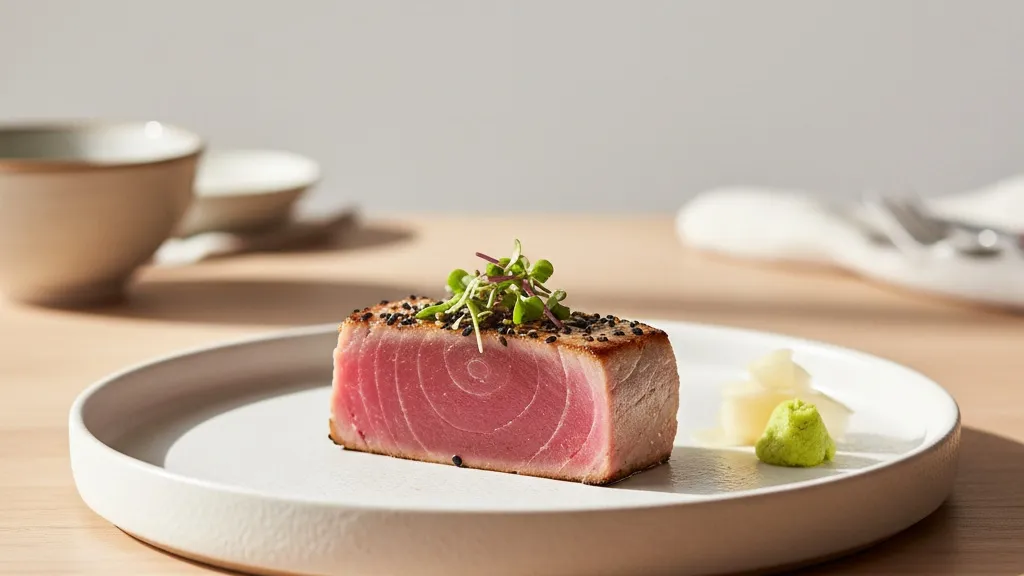
Can Cats Eat Tuna? What Every Cat Owner Should Know
Tuna is one of the most popular foods people want to share with their cats. The strong smell and fishy flavor that cats find irresistible makes it a common treat, but many cat owners have heard warnings about mercury and other concerns. Understanding the risks and benefits of feeding tuna to your cat is important before you open that can. This guide covers what every cat owner should know about feeding tuna safely.
Quick Answer: Can Cats Eat Tuna?
Yes, cats can eat tuna, but it should only be offered as an occasional treat in very small amounts. While tuna is not toxic to cats, it lacks essential nutrients cats need from their regular diet, and regular feeding can lead to mercury accumulation and a condition called yellow fat disease. Most veterinarians recommend limiting tuna to occasional treats and choosing chunk light tuna over albacore when possible.
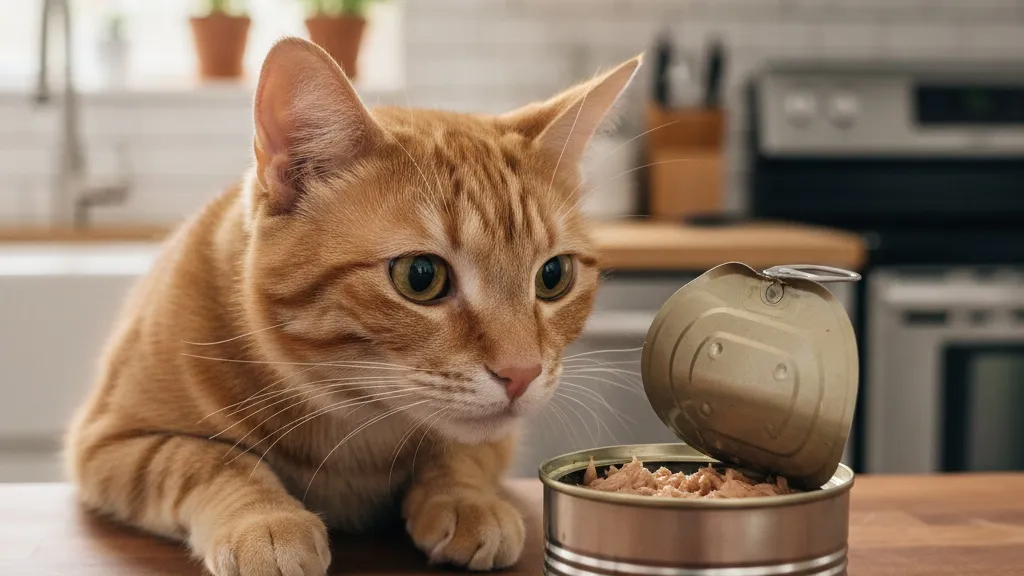
Is Tuna Safe for Cats?
Tuna is safe for cats in moderation, but it comes with important caveats that every cat owner should understand. The biggest concerns with feeding tuna to cats are mercury content, nutritional imbalance, and the potential for creating unhealthy eating habits.
Mercury is a heavy metal that accumulates in fish, and tuna tends to have higher mercury levels than many other fish species. While a small amount of tuna occasionally is unlikely to cause mercury poisoning, repeated exposure over time can lead to accumulation in your cat’s body. This is especially concerning for kittens and pregnant cats, who are more vulnerable to the effects of mercury.
Beyond mercury, tuna is not a complete and balanced food for cats. It is deficient in certain nutrients that cats require, particularly vitamin E. When cats eat too much tuna regularly, they can develop steatitis, also known as yellow fat disease, which is a painful inflammation of body fat caused by vitamin E deficiency.
Another concern is that cats can become addicted to tuna. The strong smell and taste of tuna can be so appealing to some cats that they develop a preference for it over their regular food. This can lead to nutritional deficiencies if they refuse to eat anything but tuna, and it can make it very difficult to switch them back to a balanced diet.
Types of Tuna: Canned vs Fresh
Not all tuna is created equal when it comes to feeding your cat. Understanding the differences can help you make safer choices.
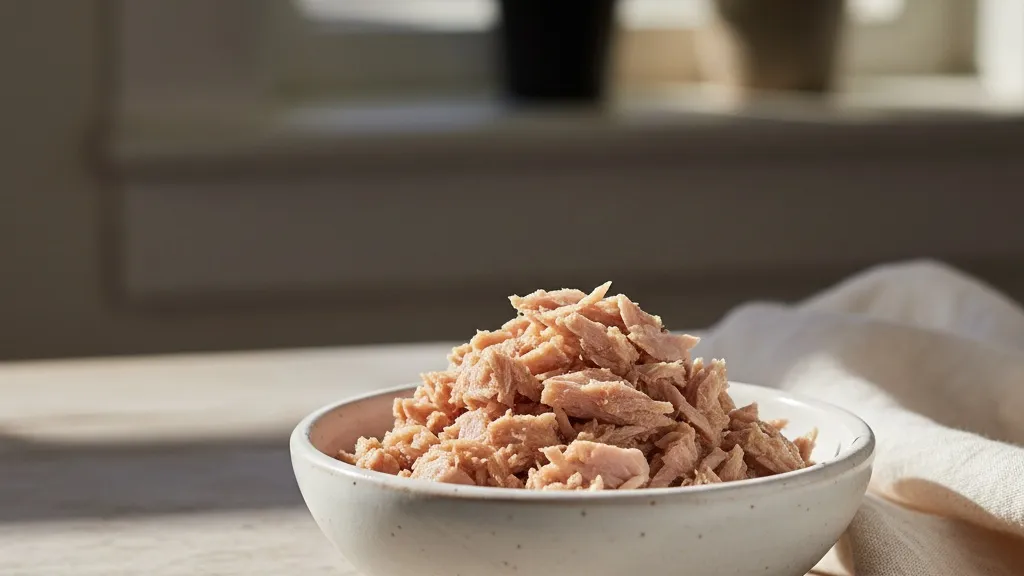
Chunk Light Tuna
Chunk light tuna is generally the safer option for cats. It is typically made from smaller tuna species like skipjack, which have lower mercury levels than larger species. Look for tuna packed in water rather than oil, as the oil adds unnecessary fat to an already fatty fish.
Albacore Tuna
Albacore tuna is a larger species and contains higher mercury levels than chunk light tuna. If you choose to feed albacore, it should be offered even more sparingly than chunk light. Many veterinarians recommend avoiding albacore entirely when it comes to feeding cats.
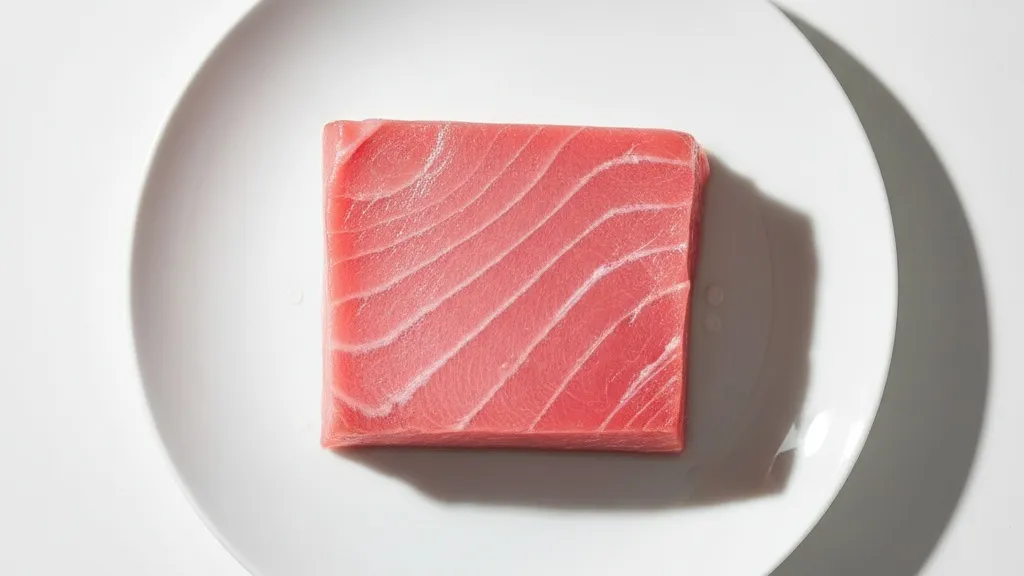
Fresh Tuna
Fresh tuna steak can be offered to cats in very small amounts, but it should be plain and unseasoned. Be aware that fresh tuna also contains mercury, so portion control is essential. Avoid any tuna prepared with marinades, sauces, or seasonings, as these often contain ingredients that are harmful to cats.
Tuna Juice or Water
The liquid from a can of tuna is not inherently dangerous to cats, but it is very high in sodium, which is not ideal for cats. A few drops of tuna juice added to food as a flavor enhancer is generally considered acceptable, but do not make a habit of giving your cat large amounts of tuna brine.
Health Risks of Feeding Tuna to Cats
Understanding the potential health risks can help you make informed decisions about feeding tuna to your cat.
Mercury Poisoning
Mercury accumulates in the body over time, and cats who eat tuna regularly are at risk. Symptoms of mercury poisoning in cats can include loss of coordination, difficulty walking, vomiting, diarrhea, and in severe cases, kidney damage. While acute mercury poisoning from tuna is rare in cats, chronic exposure from regular tuna consumption is a legitimate concern.
Yellow Fat Disease (Steatitis)
Steatitis occurs when a cat’s diet is too high in unsaturated fats without adequate vitamin E to balance it. Tuna, especially tuna packed in oil, is high in unsaturated fats. When cats develop steatitis, they experience inflammation of the fatty tissue, which is painful and can cause fever, reluctance to move, and skin nodules. This condition requires veterinary treatment.
Nutritional Deficiencies
Tuna lacks several nutrients that cats need for optimal health, including calcium, vitamin D, and the proper ratio of phosphorus to calcium. If tuna becomes a significant part of your cat’s diet, these deficiencies can lead to health problems over time, particularly affecting bone health.
Digestive Upset
Some cats have sensitive stomachs and may experience vomiting or diarrhea after eating tuna, especially if they are not used to it. Introduce tuna slowly and in small amounts if you want to see how your cat tolerates it.
Allergic Reactions
While fish allergies are less common in cats than allergies to other proteins, some cats can develop allergic reactions to tuna. Signs of a food allergy can include skin irritation, itching, excessive grooming, hair loss, and digestive symptoms.
How to Safely Feed Tuna to Your Cat
If you decide to give your cat tuna, following these guidelines can help minimize risks.
Portion Size
A appropriate portion of tuna for a cat is one to two teaspoons at most, offered as an occasional treat. This small amount is unlikely to cause problems and allows your cat to enjoy the taste without risking mercury accumulation or nutritional imbalances. Never offer more than a few teaspoons at a time, and do not make tuna a daily treat.
Frequency
Tuna should be treated as a special occasion food rather than a regular part of your cat’s diet. Once a week or less is a reasonable frequency for most cats. Some veterinarians recommend avoiding tuna entirely in favor of other protein sources that carry less risk.
Preparation
Always choose plain tuna without added salt, seasonings, sauces, or oils. Rinse canned tuna in water if it seems high in sodium. Never feed tuna that has been prepared for humans with ingredients like garlic, onions, lemon, or any other seasonings.
Watch for Reactions
When you first offer tuna to your cat, watch closely for any signs of adverse reaction, including vomiting, diarrhea, excessive scratching, or changes in behavior. If any of these occur, discontinue feeding tuna and consult your veterinarian if symptoms persist.
Alternatives to Tuna
If you want to give your cat fish as a treat, there are alternatives that carry less risk than tuna.
Salmon
Salmon is generally considered safer than tuna because it typically has lower mercury levels. It also provides omega-3 fatty acids that can benefit your cat’s skin, coat, and joint health. Like tuna, salmon should only be offered occasionally and must be cooked without seasoning.
Sardines
Sardines are small fish with very low mercury levels and are rich in omega-3s. They can be offered occasionally, either fresh or canned in water. Choose sardines without added salt and rinse them if needed.
Whitefish
Cod, pollock, and other whitefish species generally have lower mercury levels than larger predatory fish like tuna. They can provide variety in your cat’s occasional treat rotation.
Signs Your Cat Has Had Too Much Tuna
If your cat accidentally consumes a large amount of tuna, watch for these warning signs.
Symptoms of Mercury Exposure
Loss of coordination, difficulty walking, tremors, or unusual behavior could indicate mercury exposure. Contact your veterinarian immediately if you notice these signs.
Steatitis Symptoms
Pain when touched, fever, reluctance to move or jump, and firm nodules under the skin could indicate yellow fat disease. This requires prompt veterinary attention.
Severe Digestive Upset
Profuse vomiting or diarrhea, especially if accompanied by lethargy or loss of appetite, warrants a call to your veterinarian.
Frequently Asked Questions
Can kittens eat tuna?
Kittens can eat tiny amounts of tuna as an occasional treat, but they should primarily receive nutrition from their mother’s milk or a formulated kitten food. Kittens are more vulnerable to mercury exposure than adult cats, so tuna should be introduced very sparingly if at all.
Why is my cat obsessed with tuna?
Cats can become fixated on tuna because of its strong smell and flavor. This is not unusual, but it can lead to nutritional problems if your cat refuses to eat anything else. If your cat has become addicted to tuna, try gradually mixing increasing amounts of their regular food with small amounts of tuna, eventually phasing out the tuna entirely.
Is tuna juice safe for cats?
A few drops of tuna juice mixed into food is generally considered acceptable as an occasional flavor enhancer. However, tuna juice is high in sodium, and larger amounts should be avoided. Do not give your cat straight tuna brine as a drink.
Can cats eat tuna in oil?
Tuna packed in oil should be avoided for cats. The added fat increases the risk of digestive upset and yellow fat disease. Always choose tuna packed in water and rinse it if excess sodium is a concern.
How much tuna is too much for a cat?
Any tuna beyond an occasional teaspoon-sized treat is considered too much for regular consumption. Cats who eat tuna more than once or twice weekly are at increased risk for mercury accumulation and nutritional imbalances.
Related Articles
Learn more about safe protein sources for your cat by reading our guide on can cats eat chicken and can cats eat eggs. For complete nutrition information, check out our reviews of best dry cat food and best wet cat food.
Veterinary Disclaimer
Always consult your veterinarian before introducing new foods to your cat’s diet. Every cat is different, and what works well for one may not be appropriate for another. Your veterinarian can provide personalized guidance based on your cat’s age, health status, weight, and specific dietary needs.