Flea, Tick & Parasite Prevention for Cats: The Complete Guide
Protect your cat from fleas, ticks, and parasites with our comprehensive guide. Learn about prevention methods, treatment options, and how to keep your feline friend healthy and happy.

Flea, Tick & Parasite Prevention for Cats: The Complete Guide
Keeping your cat free from fleas, ticks, and other parasites is one of the most important responsibilities of cat ownership. These pesky invaders can cause everything from mild irritation to serious health problems, including diseases that can affect both your cat and your human family members. The good news is that modern prevention methods make it easier than ever to protect your feline companion from these unwanted guests.
Parasite prevention is not just about keeping your cat comfortable. Fleas can cause severe allergic reactions and anemia in some cats. Ticks carry dangerous diseases like Lyme disease. Intestinal parasites rob your cat of essential nutrients. Heartworm, transmitted by mosquitoes, can be fatal. The small investment in prevention saves you from costly treatments and, more importantly, protects your beloved pet from unnecessary suffering.

Understanding Common Cat Parasites
Before diving into prevention, it helps to understand the different types of parasites that can affect your cat. Each type requires different prevention approaches, and knowing what you are fighting helps you make better protection choices for your feline friend.
Fleas
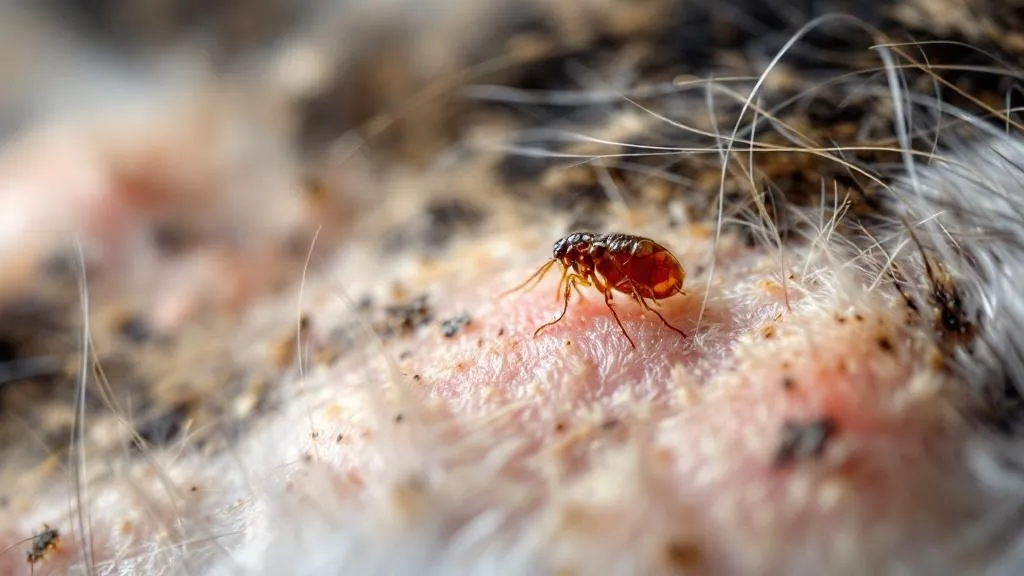
Fleas are the most common external parasite found in cats. These tiny insects can jump remarkable distances and survive in various environments. A single flea can lay up to 50 eggs per day, which means a small problem can quickly become a full-blown infestation in your home. Fleas feed on your cat’s blood, causing itching, skin irritation, and potentially severe allergic reactions known as flea allergy dermatitis.
Beyond the immediate discomfort, fleas can transmit tapeworms to cats if ingested during grooming. In young or small cats, heavy flea infestations can lead to anemia from blood loss. The flea dirt you might notice on your cat’s coat is actually digested blood waste from fleas, and finding it is often the first sign of a flea problem.
Ticks
Ticks are arachnids that attach themselves to your cat’s skin to feed on blood. They are commonly found in wooded areas, tall grasses, and bushes. Unlike fleas, ticks do not jump or fly, so they typically grab onto your cat as it walks through infested vegetation. Once attached, ticks can feed for several days if not removed.
Ticks pose significant health risks to cats. They can transmit diseases such as cytauxzoonosis, a serious and sometimes fatal infection. Lyme disease, while more commonly associated with dogs, can also affect cats. Rocky Mountain spotted fever is another tick-borne illness that can cause serious symptoms in cats.
Intestinal Parasites
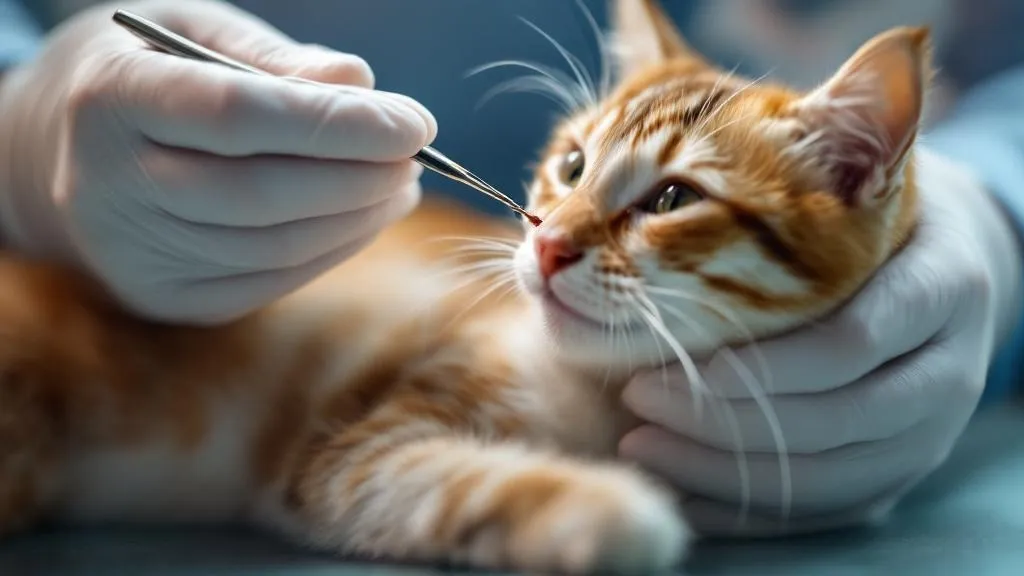
Intestinal parasites live inside your cat’s digestive system. The most common types include roundworms, hookworms, tapeworms, and coccidia. Cats can become infected through various routes, including ingesting infected prey, coming into contact with contaminated soil, or from their mothers during nursing.
These parasites steal nutrients from your cat’s food, leading to weight loss, dull coat, and general poor health. Kittens are particularly vulnerable to intestinal parasites, which can cause stunted growth and developmental problems. Some intestinal parasites, like roundworms and hookworms, can also infect humans, making treatment and prevention important for household health.
Heartworm
Heartworm disease is caused by parasitic worms that live in the heart and lungs of infected animals. It is transmitted through mosquito bites, making it a risk in any area where mosquitoes are present. While heartworm is more commonly associated with dogs, cats can also become infected, and even indoor cats are at risk since mosquitoes can get inside homes.
Heartworm in cats is different from dogs. Cats are not typical hosts, which means the worms often do not survive to adulthood. However, even immature worms can cause significant damage to the lungs and airways, a condition known as heartworm associated respiratory disease. There is no specific treatment for heartworm in cats, making prevention absolutely essential.

Checking Your Cat for Parasites
Regular checks for parasites are an important part of keeping your cat healthy. Early detection means quicker treatment and less discomfort for your cat. Incorporate parasite checks into your regular grooming routine for the best results.
Visual Inspections
Make it a habit to examine your cat’s coat regularly, especially after outdoor adventures. Part the fur in several places to check for fleas, ticks, or signs of parasite activity. Flea dirt appears as small black specks that look like pepper flakes. You can confirm flea dirt by placing it on a damp white paper towel - if it turns reddish-brown, it is flea dirt containing digested blood.

Using a Flea Comb
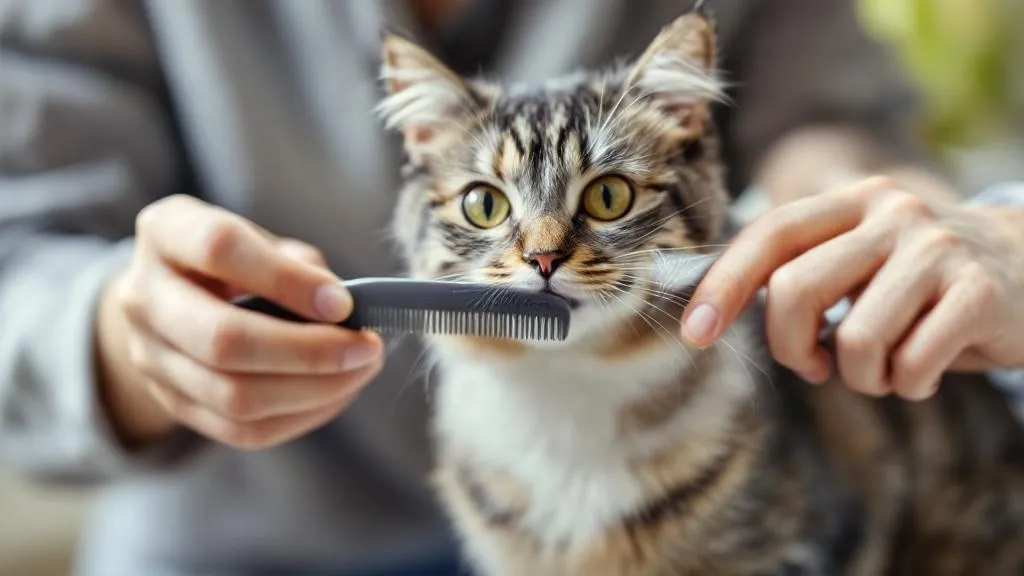
A flea comb is an excellent tool for detecting fleas and flea dirt. The fine teeth of the comb catch fleas and flea dirt as you glide through your cat’s coat. Pay special attention to areas around the neck, tail base, and belly, which are favorite flea hiding spots. After each pass, wipe the comb on a damp paper towel to see what you have collected.
Knowing the Signs
Beyond actually seeing parasites, there are signs that might indicate a parasite problem. Excessive scratching, especially around the neck and tail base, often signals fleas. Hair loss or hot spots from scratching can develop with severe infestations. Weight loss despite a good appetite, dull coat, and visible worms in feces are signs of intestinal parasites. Coughing, difficulty breathing, or lethargy might indicate more serious parasitic infections.
Prevention Methods
Prevention is far easier and more effective than treating an established parasite problem. Fortunately, there are many excellent options for protecting your cat from parasites. Work with your veterinarian to choose the most appropriate prevention program for your cat’s lifestyle and risk factors.
Topical Treatments
Topical flea and tick prevention, often called spot-on treatments, are applied to your cat’s skin, usually at the back of the neck. These products spread across your cat’s body through natural skin oils, providing protection that lasts typically for one month. Many topical treatments also offer protection against intestinal parasites or heartworm.

Topical treatments are generally easy to apply and are effective for cats who are difficult to give oral medications. It is important to apply the product correctly, parting the fur to ensure it reaches the skin rather than just sitting on the fur. After application, keep your cat from licking the area and avoid bathing your cat for a few days to allow the product to distribute properly.
Oral Medications
Oral parasite prevention comes in chewable or tablet form that you give your cat monthly. These products are often flavored to make administration easier, and many cats accept them like treats. Oral preventives typically protect against fleas and either ticks, intestinal parasites, or heartworm, or combinations of these.

One advantage of oral medications is that there is no residue on the coat, which can be beneficial in households with young children who might touch the cat. Oral preventives also cannot be washed or rubbed off during grooming. Some cats may be picky about taking medications, so you might need to hide the pill in food or a treat specifically designed for this purpose.
Flea and Tick Collars
Flea and tick collars provide long-lasting protection, with some collars effective for up to eight months. Modern flea collars use sustained-release technology to distribute protective chemicals across your cat’s coat. They are a convenient option for cat owners who prefer not to handle monthly medications.

When using a flea collar, ensure it is fitted properly - you should be able to fit two fingers between the collar and your cat’s neck. Trim any excess length to prevent your cat from getting caught on something. Check the collar regularly for signs of wear and replace it according to the manufacturer’s instructions.
Professional Veterinary Care
Regular veterinary checkups play a crucial role in parasite prevention and early detection. Your veterinarian can recommend the most appropriate prevention products for your cat based on factors like age, health status, indoor versus outdoor lifestyle, and regional parasite risks. Regular vet visits also help catch common health problems early, so consider our 10 Common Cat Health Problems guide as well.
Wellness Exams
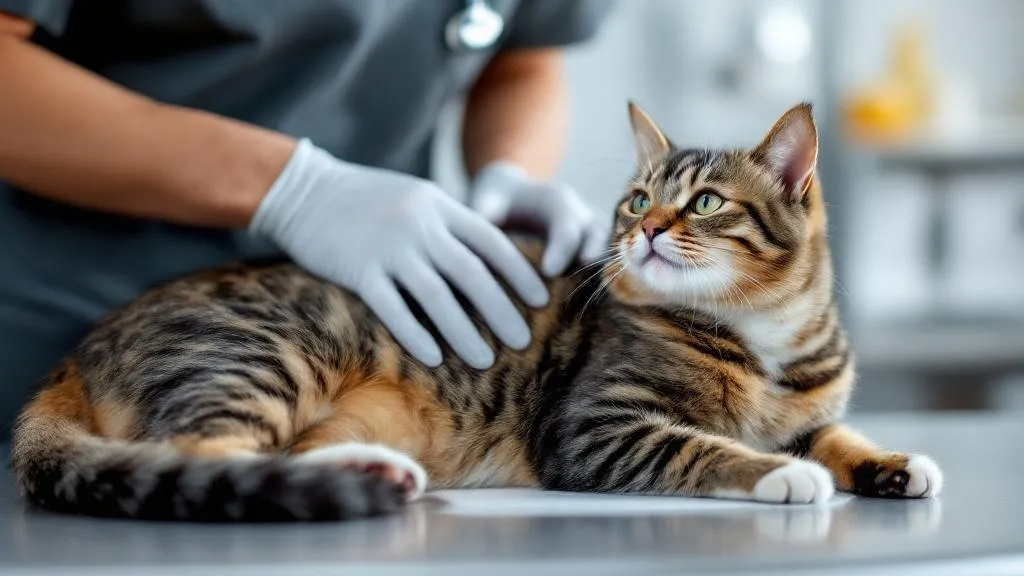
During routine wellness exams, your veterinarian will check your cat for signs of parasites. Fecal exams can detect intestinal parasites that might not be visible to the naked eye. Blood tests can screen for heartworm infection. These preventive measures catch problems early when they are easier to treat.

Your veterinarian can also provide guidance on proper administration of prevention products and answer any questions you might have about parasite control. Do not hesitate to discuss cost concerns, as many veterinary clinics offer generic alternatives or can help you find affordable options.
Deworming Protocols
Kittens typically need deworming treatments multiple times during their first months of life, as they can acquire intestinal parasites from their mothers. This often coincides with the kitten vaccination schedule, so ask your veterinarian about both during your visits. Adult cats may need periodic deworming based on their lifestyle and risk factors. Your veterinarian can recommend a deworming schedule tailored to your cat’s specific needs.

Protecting Your Family Too
Some cat parasites can affect human family members, making parasite prevention a public health issue as well as a pet health issue. Roundworms and hookworms can be transmitted to humans, particularly children who might play in contaminated soil. Keeping your cat parasite-free helps protect everyone in your household.

Practice good hygiene, including washing hands after handling cat litter or soil, and keep your cat’s living areas clean. Regular parasite prevention for your cat is one of the most effective ways to reduce the risk of parasite transmission to your family. Many pet insurance wellness plans help cover the cost of preventive treatments like flea prevention and deworming, so consider reviewing our Best Pet Insurance for Cats guide to find a plan that works for you.
Frequently Asked Questions
How often should I give my cat parasite prevention?
Most monthly preventives should be given every 30 days without fail. Some longer-lasting products like certain collars can provide protection for several months. Consult with your veterinarian to determine the best schedule for your cat.
Can indoor cats get parasites?
Yes, indoor cats are at risk too. Fleas can be brought into the home on clothing or other pets. Mosquitoes that transmit heartworm can get indoors. Even if your cat never goes outside, it still needs parasite prevention.
What if I miss a dose of parasite prevention?
Give the missed dose as soon as you remember, then continue with the regular schedule. Do not double up on doses. If you have missed multiple doses, consult with your veterinarian about the best course of action.
Are natural parasite prevention methods effective?
While some natural remedies exist, most veterinary organizations agree that prescription or over-the-counter products with proven ingredients are more reliable. Natural methods alone are generally not sufficient for areas with high parasite pressure.
Final Thoughts
Parasite prevention is a cornerstone of responsible cat ownership. The wide range of available products makes it easier than ever to keep your feline friend protected from fleas, ticks, intestinal parasites, and heartworm. Work with your veterinarian to develop a prevention plan that fits your cat’s lifestyle and your family’s needs.

Investing in regular parasite prevention means fewer trips to the veterinarian for treatments, a happier and healthier cat, and peace of mind for you. Your cat depends on you to provide this essential protection, and the reward is many years of health, comfort, and companionship together.
This article is for informational purposes only and is not a substitute for professional veterinary advice. Consult with your veterinarian to develop a parasite prevention plan appropriate for your individual cat.