10 Common Cat Health Problems Every Owner Should Know
Learn to recognize the most common cat health problems including UTI, kidney disease, hyperthyroidism, diabetes, dental disease, and more. Early detection saves lives.

10 Common Cat Health Problems Every Owner Should Know
Cats are experts at hiding illness, which makes recognizing health problems particularly challenging for cat owners. By the time obvious symptoms appear, many conditions have already progressed significantly. Understanding the most common cat health problems helps you recognize subtle signs early and seek veterinary care when your cat needs it most.
Quick Answer: Recognizing Common Cat Health Issues
Common signs of illness in cats include changes in eating or drinking habits, weight loss or gain, lethargy, changes in litter box usage, vomiting, diarrhea, breathing changes, and behavioral shifts. Any significant change from your cat’s normal patterns warrants a veterinary visit to rule out underlying health problems.
1. Urinary Tract Infections and FLUTD
Feline lower urinary tract disease encompasses a range of conditions affecting the bladder and urethra. Male cats face particular risk for urinary obstruction, which is a life-threatening emergency requiring immediate veterinary care.
Symptoms to Watch For
Signs of urinary problems include frequent urination in small amounts, straining to urinate, blood in the urine, urinating outside the litter box, and excessive licking of the genital area. Male cats showing signs of urinary distress need immediate veterinary attention.
Risk Factors
Urinary tract problems are more common in indoor cats, overweight cats, cats eating dry food diets, and cats experiencing stress. Multiple cat households may also see increased incidence of FLUTD.
Treatment Approaches
Treatment depends on the underlying cause and may include dietary changes, increased water intake, medications to reduce inflammation, antibiotics for infections, or surgical intervention for urinary blockages.
2. Chronic Kidney Disease
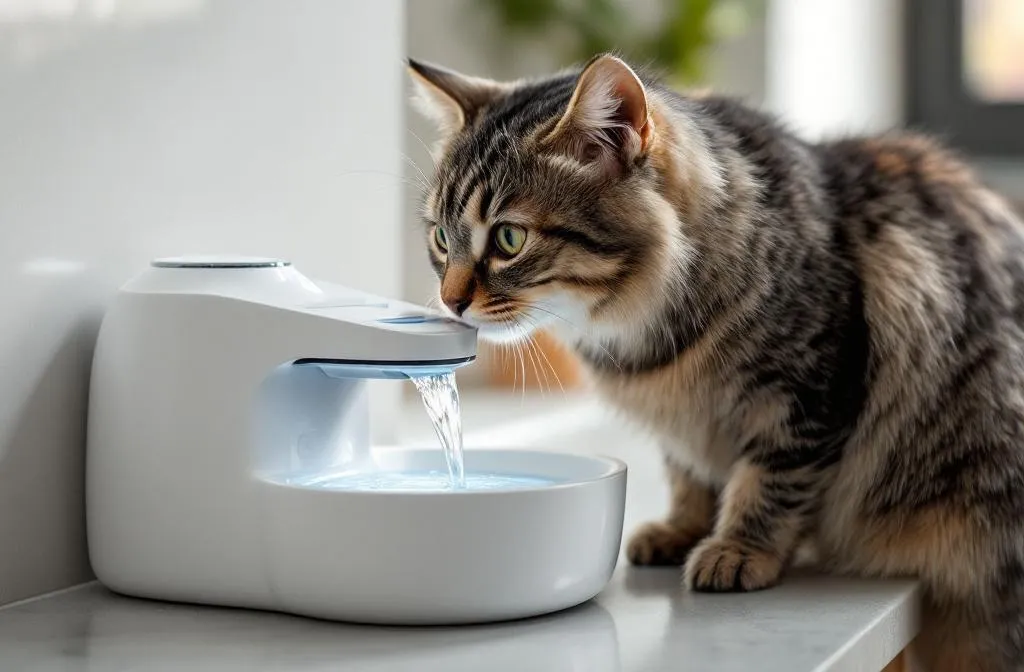
Kidney disease is extremely common in cats, particularly as they age. The kidneys filter waste from the blood, regulate hydration, and maintain electrolyte balance. When kidney function declines, toxins accumulate and cause serious health problems.
Symptoms to Watch For
Early signs include increased thirst and urination, weight loss despite normal appetite, and dull coat quality. As kidney disease progresses, cats may experience vomiting, loss of appetite, weakness, and neurological symptoms.
Managing Kidney Disease
While kidney disease cannot be cured, it can often be managed successfully for months or years with proper treatment. Dietary modifications, fluid therapy, medications to manage symptoms, and regular monitoring all contribute to quality of life.
Supporting Kidney Health
Feeding a kidney-friendly diet, encouraging water intake through wet food and water fountains, and regular veterinary monitoring help slow disease progression and maintain quality of life.
3. Hyperthyroidism
Hyperthyroidism occurs when the thyroid gland produces excessive hormones, dramatically accelerating metabolism. This condition is one of the most common endocrine disorders in older cats.
Symptoms to Watch For
Signs include weight loss despite ravenous appetite, increased thirst and urination, hyperactivity or restlessness, vomiting, diarrhea, poor coat quality, and increased vocalization. Some cats develop heart problems as a secondary effect.
Diagnosis and Treatment
Hyperthyroidism is diagnosed through blood testing measuring thyroid hormone levels. Treatment options include medication, radioactive iodine therapy, dietary management, and in some cases, surgery to remove the affected thyroid tissue.
Prognosis
With proper treatment, most cats with hyperthyroidism experience significant improvement and can live normal lifespans. Treatment selection depends on your cat’s overall health and the resources available.
4. Diabetes Mellitus
Diabetes occurs when the body cannot properly regulate blood sugar due to insufficient insulin production or insulin resistance. This condition is increasingly common in overweight cats.
Symptoms to Watch For
Signs include increased thirst and urination, weight loss despite good appetite, lethargy, weakness in the hind legs, and unregulated blood sugar that may cause vomiting or diarrhea.
Managing Feline Diabetes
Treatment typically involves insulin injections, dietary changes to low-carbohydrate foods, and regular blood glucose monitoring. Many diabetic cats can achieve remission with proper early treatment and weight management.
Quality of Life
With dedicated management, diabetic cats can enjoy excellent quality of life. Owner commitment to daily monitoring and treatment is essential for success.
5. Dental Disease
Dental disease affects the majority of cats by age three. Beyond local mouth problems, dental disease can cause systemic health issues affecting the heart, kidneys, and other organs.
Symptoms to Watch For
Bad breath, red or bleeding gums, difficulty eating, drooling, pawing at the mouth, and visible tartar on teeth all indicate dental problems. Many cats continue eating normally despite significant dental pain.
Prevention and Treatment
Daily tooth brushing with cat-specific toothpaste, dental treats and toys, professional dental cleanings, and appropriate dietary choices all help prevent dental disease. Professional cleaning under anesthesia allows thorough assessment and treatment.
Breed Considerations
Persian cats and other brachycephalic breeds face increased risk due to crowded teeth. Siamese and Maine Coon cats also have breed predispositions to certain dental conditions. Regular dental care is especially important for these breeds, so consider our Cat Dental Care guide for specific recommendations.
6. Obesity
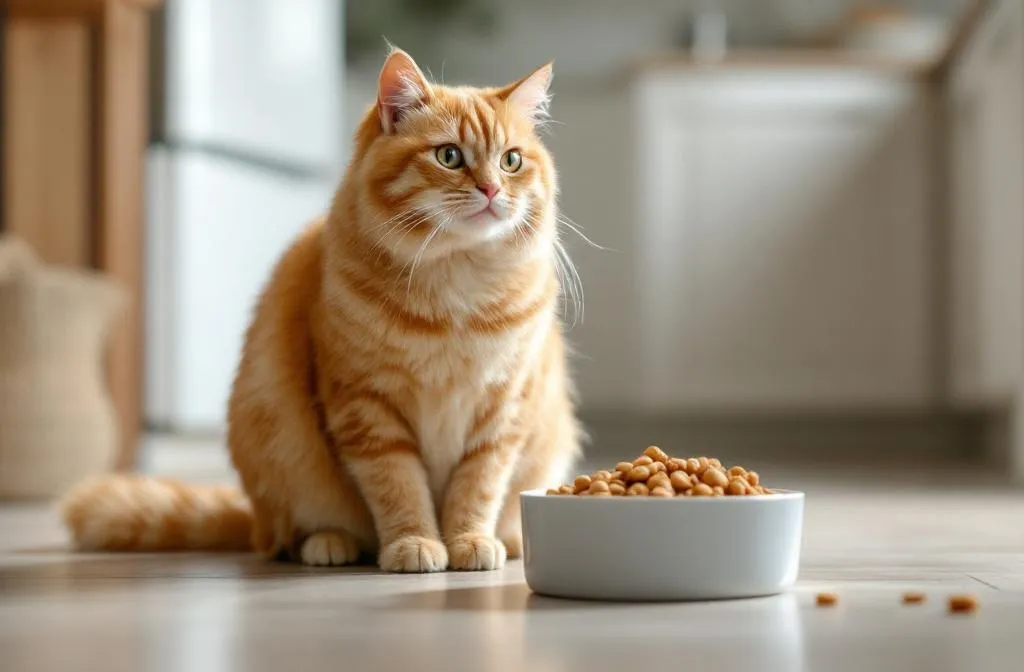
Feline obesity has reached epidemic proportions, with over half of pet cats now classified as overweight or obese. Excess weight increases risk for diabetes, arthritis, liver disease, and reduced lifespan.
Causes of Weight Gain
Overfeeding, too many treats, lack of exercise, free-feeding without portion control, and genetic predisposition all contribute to obesity. Indoor cats face particular risk due to limited opportunities for physical activity.
Achieving Healthy Weight
Safe weight loss involves measuring exact food portions, reducing treats to less than ten percent of daily calories, increasing physical activity, and feeding scheduled meals rather than free-feeding. Weight loss should be gradual to prevent liver problems.
Health Benefits of Healthy Weight
Maintaining ideal weight improves energy levels, reduces joint stress, decreases disease risk, and can add years to your cat’s life. Even modest weight loss provides significant health benefits.
7. Parasites
Internal and external parasites affect cats of all ages and lifestyles. Some parasites pose health risks to human family members as well as cats. Our Flea, Tick & Parasite Prevention guide covers prevention and treatment in detail.
External Parasites
Fleas cause itching, allergic reactions, and can transmit tapeworms. Ticks spread several serious diseases. Ear mites cause irritation and dark debris in the ears. Skin mites can cause hair loss and skin inflammation.
Internal Parasites
Intestinal worms including roundworms, hookworms, and tapeworms rob nutrients and cause digestive upset. Heartworm, transmitted by mosquitoes, can be fatal in cats. Coccidia and giardia cause diarrhea and weight loss.
Prevention and Treatment
Regular parasite prevention medications, appropriate for your cat’s lifestyle and regional risks, prevent most parasite problems. Several heartworm, flea, and tick preventives also protect against intestinal parasites. Prompt veterinary treatment addresses any infestations that do occur.
8. Upper Respiratory Infections
URI is similar to the common cold in humans and is especially common in shelters, multi-cat households, and kittens. Viruses and bacteria cause sneezing, nasal discharge, conjunctivitis, and mouth ulcers.
Symptoms to Watch For
Sneezing, nasal discharge, watery or crusty eyes, mouth ulcers, lethargy, and loss of appetite all indicate possible URI. Severe cases may involve difficulty breathing and eye inflammation.
Treatment Approaches
Mild cases often resolve on their own with supportive care including nutrition, hydration, and cleaning discharge from eyes and nose. More severe infections may require antibiotics, antiviral medications, or supportive care like fluid therapy.
Prevention
Keeping cats current on URI vaccinations helps reduce severity if infection occurs. Reducing stress, maintaining clean environments, and proper isolation of sick cats help prevent spread in multi-cat homes.
9. Hairballs
Hairballs result from cats ingesting fur during grooming. While occasional vomiting of a hairball is normal, frequent hairballs may indicate underlying problems.
When Hairballs Are Normal
Most cats vomit hairballs occasionally without problems. The elongated cylinder shape distinguishes hairball vomitus from other types of vomiting.
When to Be Concerned
Frequent hairballs, productive retching without producing a hairball, constipation, loss of appetite, or lethargy following hairball episodes may indicate intestinal blockage or other problems requiring veterinary attention.
Prevention Strategies
Regular brushing reduces loose fur available for ingestion. Hairball remedies, specialized diets, increased fiber intake, and omega fatty acid supplements can help prevent problematic hairball accumulation.
10. Arthritis
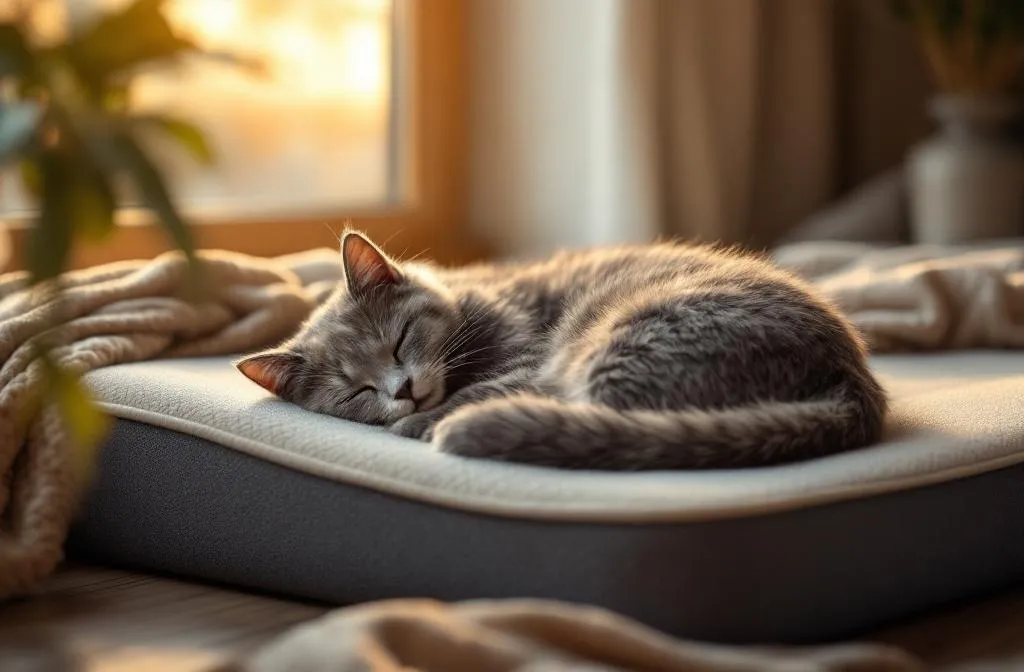
Arthritis affects the joints, causing pain and reduced mobility. This degenerative condition is underdiagnosed because cats hide pain so effectively and adapt their behavior to compensate.
Symptoms to Watch For
Reluctance to jump or climb, difficulty using the litter box (especially high-sided boxes), decreased grooming, irritability when touched, and reduced activity levels may all indicate arthritis pain.
Managing Arthritis Pain
Treatment options include weight management to reduce joint stress, joint supplements like glucosamine and chondroitin, anti-inflammatory medications, physical therapy, and environmental modifications to improve accessibility.
Improving Quality of Life
Making resources easily accessible, providing soft bedding, using low-sided litter boxes, and maintaining consistent routines help arthritic cats remain comfortable and engaged.
When to Seek Veterinary Care
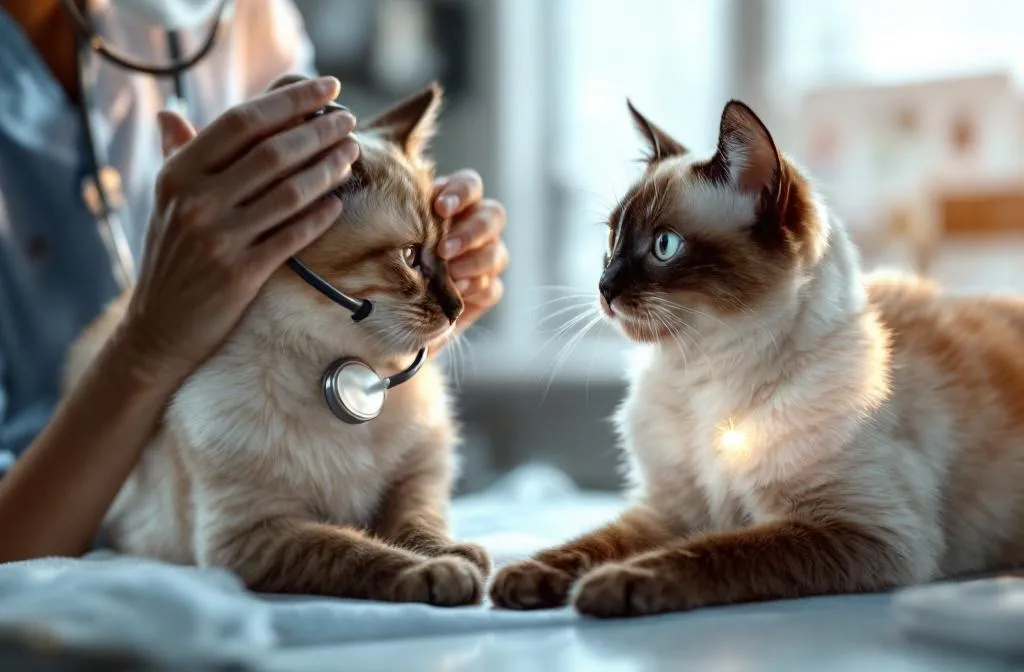
Certain symptoms require immediate veterinary attention. Do not wait if your cat shows signs of urinary obstruction, difficulty breathing, seizures, collapse, severe bleeding, known toxin exposure, or prolonged strain without producing urine or feces.
Establishing Health Baselines
Knowing your cat’s normal behavior, appetite, energy level, and elimination patterns helps you recognize when something is wrong. Cats hide illness well, so subtle changes may be significant.
Regular Wellness Exams
Annual veterinary examinations help establish health baselines and catch problems early. Senior cats benefit from twice-yearly examinations with blood work to assess organ function. Keeping your cat current on vaccinations is also important for preventing serious diseases, so follow the Cat Vaccination Schedule recommended by your veterinarian.
Frequently Asked Questions
How can I tell if my cat is sick?
Changes from your cat’s normal patterns often indicate illness. Watch for alterations in eating, drinking, litter box usage, activity level, grooming habits, vocalization, and social behavior. When in doubt, consult your veterinarian.
Should I take my cat to the vet for vomiting?
Occasional vomiting may be normal, especially hairball vomiting. Persistent vomiting, vomiting with other symptoms, vomiting blood, or vomiting accompanied by lethargy or appetite loss warrants veterinary attention.
Why is my cat urinating outside the litter box?
Urinating outside the litter box can indicate medical problems including urinary tract disease, kidney problems, or diabetes. It can also reflect environmental stress or litter box issues. Veterinary evaluation determines whether medical causes are involved.
How often should healthy cats see the vet?
Adult cats should have annual wellness examinations. Kittens need several visits for vaccinations and early development monitoring. Senior cats benefit from twice-yearly examinations with diagnostic screening.
Can cats catch human colds?
Cats cannot catch human colds, but they can develop similar upper respiratory infections from their own specific viruses and bacteria. Some human diseases can affect cats differently than they affect people.
Final Thoughts
Being an informed cat owner means understanding the health risks your cat faces and recognizing early warning signs of problems. Regular veterinary care, preventive measures, and attention to changes in your cat’s normal behavior all contribute to keeping your feline friend healthy.
Many common cat health problems are manageable or even preventable with proper care. Working closely with your veterinarian ensures your cat receives appropriate preventive care and prompt treatment when health issues arise.
Your cat depends on you to be their health advocate. Learning to recognize the signs of common health problems helps you provide the care your feline companion deserves.
This article is for informational purposes only and is not a substitute for professional veterinary advice. If you believe your cat is ill, consult your veterinarian promptly.