Persian
Learn about the Persian cat breed - one of the world's most beloved cats. Discover their history, distinctive flat face, grooming needs, health considerations, and care.
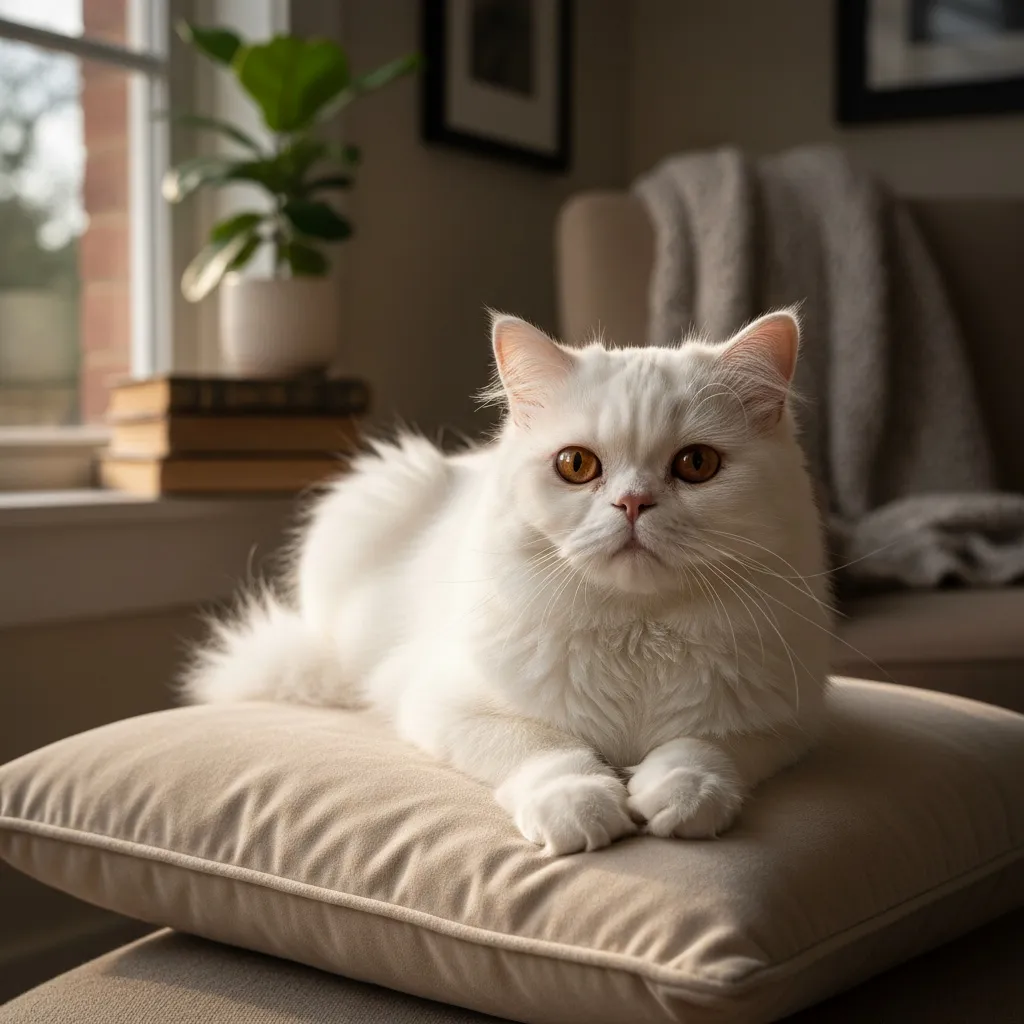
Quick Facts
Persian Cat Breed Profile
When you picture the quintessential elegant cat, the Persian likely comes to mind. With their distinctive flat faces, flowing coats, and calm demeanor, Persian cats have captured human hearts for centuries. These luxurious felines bring a touch of royalty to any home, and their sweet, gentle nature makes them wonderful companions for those who appreciate a more laid-back approach to life.
If you’re curious about Persian cats, whether you’re thinking of adopting one or simply want to learn more. This guide will walk you through everything you need to know about this beloved breed.
A Noble History
Persian cats are one of the oldest cat breeds in the world, with origins tracing back to the 1600s. Italian nobleman Pietro della Valle is credited with bringing these cats from Persia (modern-day Iran) to Europe, where they quickly became favorites among royalty and cat enthusiasts alike.
The breed as we know it today was refined in Victorian-era Britain, where it became a status symbol in households across the country. Queen Victoria herself owned two Persian cats, cementing the breed’s association with elegance and prestige. Persian cats arrived in America in the late 1800s and soon became one of the most popular breeds in the United States, a position they’ve held for generations.
Distinctive Physical Features
The Persian cat is instantly recognizable, and that iconic look is one of the breed’s most endearing qualities. Their most distinctive feature is their flat face (called brachycephalic), which gives them a unique, almost squished appearance. However, it’s important to note that extreme flatness can lead to health issues, so responsible breeding practices are essential.
Persians have large, round eyes that seem to express every emotion, medium-sized bodies that feel solid and substantial when you pick them up, and short legs that give them a low-to-the-ground stance. Their coats are long, thick, and luxurious, requiring significant grooming commitment. The coat comes in an astonishing variety of colors, including white, black, blue, red, cream, chocolate, lilac, and many more. Patterns include solid, silver and gold, shaded, tabby, and calico.
The traditional “doll-face” Persian has a less extreme flat face and is sometimes considered healthier, while the “show” or “Peke-face” Persian has the extremely flat face seen in cat show winners. Both types share the same wonderful personality.

The Persian Personality
If there’s one word to describe the Persian temperament, it’s “gentle.” These cats are calm, quiet, and supremely content to relax in a sunny spot or on your lap. They’re not typically hyperactive or demanding, which makes them perfect companions for people who appreciate a more serene household.
Persians form strong bonds with their owners but aren’t usually “one person” cats. They’re happy to receive attention from any family member and generally greet visitors with curiosity rather than aloofness. However, they do prefer a calm environment and may be stressed by loud noises or chaotic households.
These cats aren’t known for being particularly vocal. When they do communicate, it’s usually with a soft, pleasant voice rather than demanding meows. They’ll happily follow you around the house but are just as content to find a comfortable spot and observe household activities from a distance.
While Persians enjoy affection and being groomed (when properly introduced), they’re not typically climbers or jumpers. You won’t find them perched on the highest shelves or engaging in acrobatics. They prefer ground-level activities and comfortable furniture.

Caring for Your Persian
The Grooming Commitment
Owning a Persian cat is a significant grooming commitment. Their beautiful long coats can become tangled and matted within days without regular attention. Plan to brush your Persian thoroughly every single day, using a wide-toothed comb followed by a fine-toothed comb to work through all layers of the coat.
Bathing your Persian every few weeks helps keep the coat clean and manageable. Introduce bathing early in life so your cat becomes accustomed to the process. After bathing, thorough drying is essential. Persians can develop skin issues if left damp beneath their heavy coats.
Many Persian owners opt to keep their cats in a “lion cut” during warmer months, which involves shaving the body while leaving the face, mane, and tail fur intact. This reduces grooming time while keeping the cat comfortable.
Daily eye cleaning is particularly important for Persian cats. Their flat faces and prominent eyes make them prone to tear staining and eye discharge. Gently wipe the area around the eyes each day with a damp cloth to prevent staining and infection.
Feeding Your Persian
Persians typically do well on high-quality cat food appropriate for their life stage and activity level. Because they’re not particularly active cats, they can be prone to weight gain if overfed. Measure their food portions carefully and avoid free-feeding.
Some Persians have sensitive digestive systems, so introducing new foods gradually is wise. Fresh water should always be available.
Creating a Comfortable Home
Your Persian will appreciate a calm, predictable environment. Provide comfortable beds in quiet corners, cat trees or shelves at low heights (since Persians aren’t typically jumpers), and scratching posts for nail maintenance.
Because of their flat faces, Persians are more sensitive to temperature extremes. Keep your home at a comfortable temperature and ensure your cat has both warm and cool spots to choose from.
Health Considerations
Persian cats have average lifespans of 12 to 17 years with proper care. However, their distinctive flat faces do come with some health considerations that prospective owners should understand.
Brachycephalic airway syndrome is a common concern, as the flat face can lead to breathing difficulties, snoring, and exercise intolerance. Extreme flat faces can also cause eye problems, including excessive tearing, eye infections, and corneal ulcers.
Polycystic kidney disease (PKD) is a genetic condition that affects some Persian lines. Reputable breeders screen their cats for PKD and only breed from cats free of this condition. Before acquiring a Persian kitten, always ask about the health testing performed on the parents.
Dental issues are also more common in Persian cats due to their facial structure. Regular dental checkups and at-home dental care are important.
Respiratory infections can affect Persians more easily due to their shortened airways. Keeping your cat indoors and away from sick animals helps reduce this risk.

Is a Persian Right for You?
Persian cats are wonderful companions for the right owners. Consider a Persian if:
- You enjoy a calm, gentle cat who prefers relaxation to acrobatics
- You’re committed to daily grooming or willing to maintain a shorter coat
- Your household is relatively quiet and peaceful
- You appreciate a cat who wants lap time and affectionate moments
- You don’t mind daily eye cleaning
A Persian may not be ideal if:
- You’re looking for a highly active or adventurous cat
- You can’t commit to daily grooming sessions
- Your household is often chaotic or loud
- You don’t have time for regular eye cleaning and veterinary care
Living with a Persian: The Joys and Challenges
There’s something magical about sharing your life with a Persian cat. Their calm presence can be deeply soothing, and their sweet faces seem to understand you. Many Persian owners describe their cats as being almost human in their emotional intelligence.
The grooming commitment is real, but many owners find the ritual of brushing becomes a special bonding time with their cat. The satisfaction of keeping that beautiful coat in top condition is part of the joy of Persian ownership.
Related Cat Breeds
If you’re drawn to the Persian’s elegant appearance, you might also like:
- Maine Coon cats - large, friendly cats with luxurious coats
- Ragdoll cats - gentle, blue-eyed cats with docile personalities
- British Shorthair cats - calm, dignified cats with plush coats
Quick Facts
Here are the essential details about the Persian cat breed:
- Weight: 7 to 12 pounds
- Lifespan: 12 to 17 years
- Coat: Long, thick, and luxurious
- Colors: White, black, blue, red, cream, chocolate, lilac, and many more color variations
- Pattern: Solid, silver and gold, shaded, tabby, and calico
- Size: Medium
- Energy Level: Low
- Grooming Needs: High maintenance, requires daily brushing
- Vocalization: Quiet and soft-spoken
- Best For: Calm households, apartment living, families seeking a gentle lap cat
Final Thoughts
Persian cats offer something unique in the cat world, a perfect combination of stunning appearance and gentle temperament. They’re living works of art that bring beauty and serenity to any home lucky enough to share space with them.
Whether you’re ready to welcome a Persian into your family or you’re simply an admirer of the breed, there’s no denying that these cats have earned their place as one of the most beloved breeds in the world. With their sweet personalities and regal appearance, Persian cats truly embody the elegance of the feline world.