Cat Dental Care: Complete Guide to Your Cat's Oral Health
Maintain your cat's healthy smile with our comprehensive dental care guide. Learn about brushing, professional cleanings, dental disease signs, breed predispositions, and prevention tips.

Cat Dental Care: Complete Guide to Your Cat’s Oral Health
Dental disease affects the majority of cats by the time they reach three years of age, making oral health one of the most overlooked aspects of feline care. Your cat’s teeth and gums require regular attention just like any other part of their body. Understanding how to care for your cat’s oral health helps prevent pain, tooth loss, and serious systemic health problems that can result from untreated dental disease.
Quick Answer: Essential Cat Dental Care
Brush your cat’s teeth daily using cat-specific toothpaste and a soft-bristled brush or finger brush. Provide dental treats and toys to supplement home care. Schedule professional veterinary dental cleanings as recommended, typically annually for adult cats. Watch for signs of dental problems including bad breath, difficulty eating, drooling, and pawing at the mouth.
Why Dental Health Matters for Cats
Dental disease does more than just cause mouth pain. Bacteria from infected gums can enter the bloodstream and damage vital organs including the heart, kidneys, and liver. The inflammation associated with periodontal disease affects the entire body, potentially shortening your cat’s lifespan and reducing their quality of life.
Many cats suffer in silence with dental disease because they are experts at hiding pain and discomfort. A cat with severe dental problems may continue eating normally despite significant pain. This makes regular dental care and veterinary checkups essential for catching problems early.
The financial cost of treating advanced dental disease is much higher than the cost of preventive care. Regular home care and professional cleanings protect your cat’s health while also being more affordable than emergency dental surgery.
Understanding Dental Disease in Cats
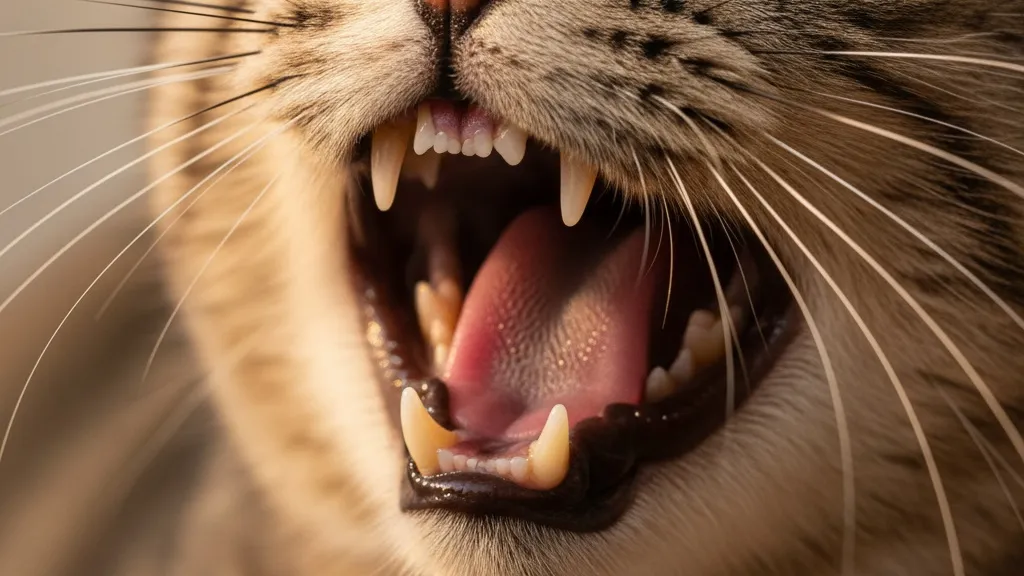
Dental disease in cats encompasses several conditions that affect the teeth, gums, and supporting structures. Understanding these conditions helps you recognize problems and seek appropriate treatment.
Periodontal Disease
Periodontal disease is the most common dental condition in cats, affecting the tissues that support the teeth. It begins with plaque buildup on the teeth, which hardens into tartar if not removed. Tartar buildup beneath the gumline causes inflammation, infection, and eventually damage to the structures holding teeth in place.
As periodontal disease progresses, cats may experience gum recession, tooth loosening, and tooth loss. The infection can also spread to the jawbone, causing more serious health problems.
Gingivitis, inflammation of the gums, often precedes full-blown periodontal disease. This earlier stage is still serious but more manageable with proper care and professional treatment.
Tooth Resorption
Tooth resorption is a painful condition where a cat’s body reabsorbs the structures of one or more teeth. This process typically begins at the root and works outward, often destroying teeth from the inside.
Tooth resorption is frustratingly common in cats, particularly in middle-aged and senior cats. The exact cause remains poorly understood, though factors like diet, inflammation, and genetics may all play roles.
Affected teeth may appear pink or raw at the gumline as the enamel is resorbed. Cats with tooth resorption often show signs of pain while eating, preferring soft foods over kibble.
Oral Tumors
While less common than other dental problems, oral tumors can develop in cats of any age. These growths may be benign or malignant and require prompt veterinary attention for proper diagnosis and treatment.
Signs of oral tumors may include visible lumps or masses in the mouth, persistent bad breath, difficulty eating, facial swelling, or unexplained weight loss. Early detection improves outcomes for both benign and malignant oral tumors.
Signs of Dental Problems
Cats are masters at hiding discomfort, but certain signs can indicate dental problems that need veterinary attention. Being observant helps you catch dental disease early when treatment is most effective.
Bad Breath
While cat breath is not naturally minty fresh, particularly strong or foul breath can indicate dental disease. The bacteria that cause periodontal disease produce sulfur compounds that create noticeably unpleasant odors.
New or worsening bad breath warrants a veterinary examination to assess your cat’s oral health. Early intervention prevents more serious problems from developing.
Difficulty Eating
Changes in eating habits often signal dental pain. A cat who suddenly refuses kibble but will eat soft food may be experiencing tooth pain. Reluctance to eat at all, dropping food while eating, or eating on only one side of the mouth all suggest dental problems.
Cats may also drool excessively or have difficulty swallowing when experiencing oral pain. Any change in normal eating behavior should prompt a dental assessment.
Pawing at the Mouth
A cat who frequently paws at their mouth or face may be experiencing oral discomfort. This behavior can indicate pain from dental disease, oral ulcers, or other mouth problems.
Excessive drooling, sometimes with blood-tinged saliva, is another concerning sign that warrants immediate veterinary attention.
Visible Tartar and Red Gums
Yellow or brown tartar buildup on the teeth is a clear sign that dental care is needed. Equally concerning are gums that appear red, swollen, or bleed when touched.
Healthy cat gums are pink and firm. Any deviation from this appearance suggests gingivitis or more advanced periodontal disease.
At-Home Dental Care
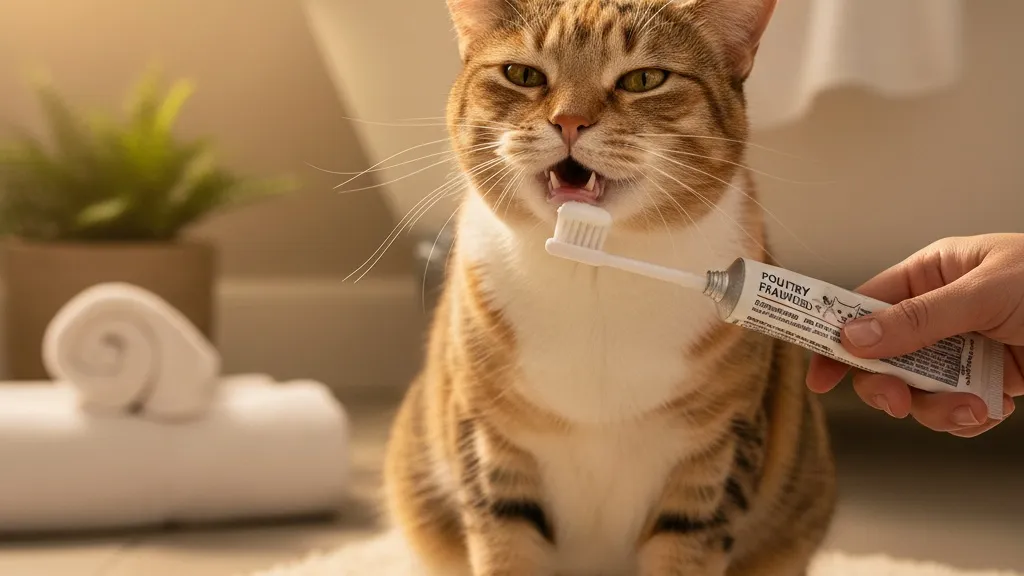
Regular home dental care is the foundation of preventive oral health for cats. Starting dental care when your cat is young helps them accept these important routines throughout their life.
Tooth Brushing
Daily tooth brushing is the gold standard for home dental care. Use a toothbrush specifically designed for cats, with soft bristles and a size appropriate for their mouth. Never use human toothpaste, as the fluoride and other ingredients can be harmful to cats.
Cat-specific toothpaste comes in flavors cats enjoy, such as poultry, seafood, or malt. This makes the experience more pleasant and increases the likelihood your cat will accept regular brushing.
Begin by letting your cat taste the toothpaste, then gradually introduce the toothbrush. Work up to brushing all the teeth, focusing on the outer surfaces where plaque accumulates most heavily. Even a few seconds of brushing provides benefit if done regularly.
Dental Treats and Toys
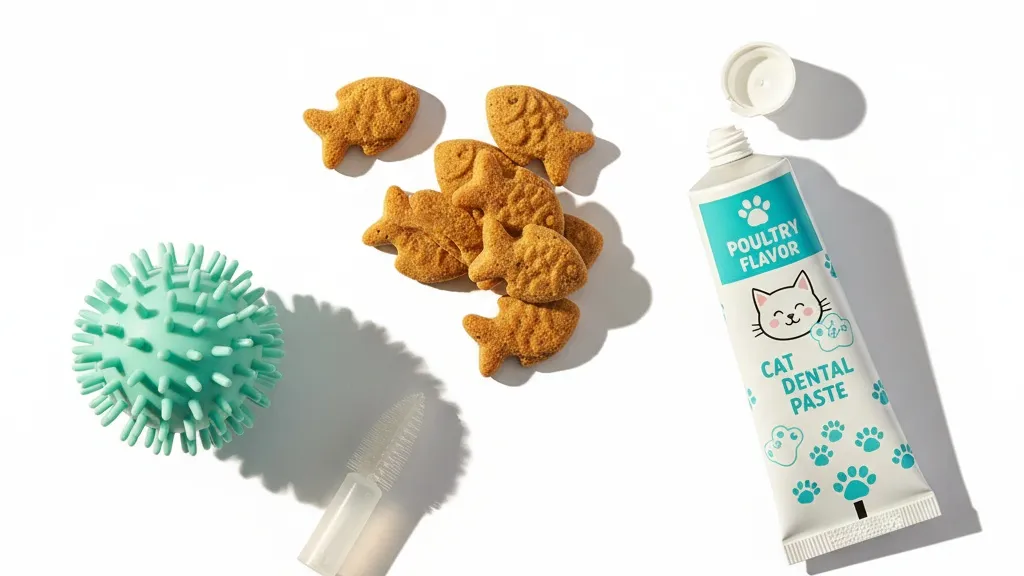
Dental treats and toys supplement brushing by helping remove plaque and massage the gums. Look for products bearing the Veterinary Oral Health Council seal of acceptance, which indicates the product has been proven effective.
Dental toys include rubber brushes, rope toys, and specially designed chew items that help clean teeth during play. Supervise your cat with any dental toy to ensure safety.
Treats should be given in moderation, accounting for your cat’s daily calorie intake. Even healthy dental treats add calories and should not exceed ten percent of your cat’s daily food intake.
Water Additives and Dental Diets
Water additives designed for dental health can help reduce bacteria in the mouth and freshen breath. These products are added to your cat’s water bowl and work continuously to support oral health between brushings.
Dental prescription diets feature specially shaped kibble and ingredients that help clean teeth as your cat chews. These diets can be particularly helpful for cats who resist tooth brushing.
Professional Dental Cleanings
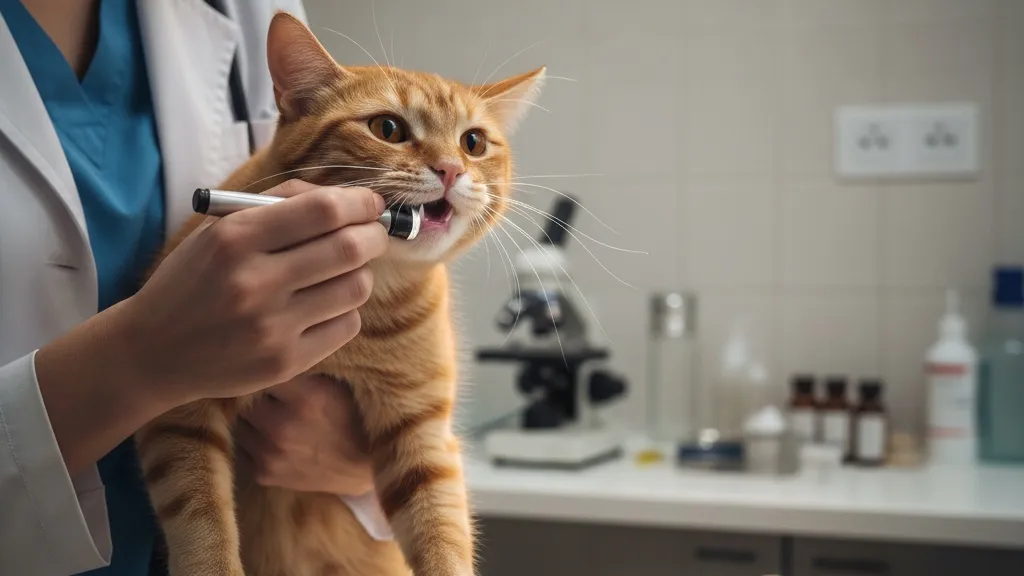
Professional veterinary dental cleanings are essential for maintaining your cat’s oral health. These procedures address tartar buildup below the gumline and allow thorough examination of the entire mouth.
What Happens During a Dental Cleaning
A professional dental cleaning under general anesthesia allows your veterinarian to examine and clean all tooth surfaces, including areas beneath the gumline that cannot be reached with brushing alone.
The procedure typically includes scaling to remove tartar, polishing to smooth enamel surfaces, thorough gum examination, dental X-rays to assess tooth roots, and treatment of any identified problems.
Your cat is monitored throughout the procedure and during recovery to ensure safety. Modern anesthesia protocols and monitoring equipment make dental cleanings very safe for healthy cats.
Frequency Recommendations
Most adult cats benefit from annual professional dental cleanings. Some cats may need more frequent cleanings if they are prone to rapid tartar buildup or have existing dental disease.
Your veterinarian will recommend an appropriate cleaning schedule based on your cat’s individual needs, taking into account their age, dental history, and overall health status.
Costs and Considerations
Professional dental cleanings represent a significant investment in your cat’s health. The cost varies based on geographic location, the complexity of dental problems found, and whether extractions or other treatments are needed.
Regular home care and professional cleanings catch problems early, when treatment is simpler and less expensive. Waiting until your cat shows obvious signs of dental disease often results in more extensive and costly treatment.
Breed Predispositions
Certain cat breeds are more prone to dental problems than others, making breed-specific awareness important for proactive dental care.
Persians and Other Brachycephalic Breeds
Persian cats and other flat-faced breeds like Persians often have crowded teeth and jaw abnormalities that predispose them to dental disease. Their shortened skulls create dental alignment issues that make normal chewing less effective at cleaning teeth and facilitate plaque and tartar accumulation.
Persian cats typically require more frequent professional dental cleanings and dedicated home dental care to maintain oral health.
Siamese and Related Breeds
Siamese cats and related breeds like Siamese may be genetically predisposed to conditions like tooth resorption. Regular veterinary dental examinations are particularly important for these cats.
Maine Coons
Maine Coons, one of the largest domestic cat breeds like the Maine Coon, may also face increased risk of dental disease. Their large size and specific genetic makeup require attention to breed-specific health concerns.
Common Dental Treatments
When dental problems are identified, several treatment options may be recommended to restore your cat’s oral health.
Tooth Extractions
Severely damaged or diseased teeth often need to be extracted to eliminate pain and prevent infection spread. Modern veterinary dentistry prioritizes saving teeth when possible, but extraction is sometimes the most humane option.
Cats typically adapt well to missing teeth and can eat normally with a reduced number of teeth. Pain relief and improved quality of life make extraction the right choice when teeth cannot be saved.
Dental Surgery
Oral surgery may be needed to address tumors, severe periodontal disease, jaw fractures, or other serious conditions. Board-certified veterinary dentists are available for complex surgical cases.
Antibiotics and Pain Management
Antibiotics may be prescribed before and after dental procedures to control infection. Pain management ensures your cat remains comfortable during treatment and recovery.
Diet and Dental Health
Your cat’s diet affects their dental health in several ways. Understanding the relationship between nutrition and oral health helps you make informed feeding choices.
Wet Food Versus Dry Food
The debate between wet and dry food for dental health continues among veterinary professionals. Dry food may provide slightly more mechanical cleaning as cats chew, but both wet and dry diets can contribute to dental disease if other care is not provided.
The most important factor is providing complete and balanced nutrition rather than choosing food type based on dental benefits alone. Adding dental-specific treats and toys to either diet supports oral health.
Dental Prescription Diets
For cats with existing dental disease or high risk for developing problems, veterinary dental prescription diets can help. These specially formulated foods feature kibble designed to clean teeth as cats chew and may include ingredients that support gum health.
Your veterinarian can recommend whether a dental prescription diet would benefit your cat.
Frequently Asked Questions
How often should I brush my cat’s teeth?
Ideally, you should brush your cat’s teeth daily. If daily brushing is not possible, aim for at least several times per week. Any regular brushing is better than none, but daily brushing provides the best protection against dental disease.
Can I use human toothpaste for my cat?
No, human toothpaste is not safe for cats. Human toothpaste contains fluoride and other ingredients that can be toxic to cats if swallowed. Always use toothpaste specifically formulated for cats.
What are signs my cat has dental pain?
Signs of dental pain in cats include reluctance to eat, especially hard food, dropping food while eating, eating on one side of the mouth, drooling, pawing at the mouth, and behavioral changes such as increased irritability. Cats often continue eating despite significant pain, so do not rely on appetite alone to assess dental health.
Is anesthesia-free dental cleaning safe for cats?
Anesthesia-free dental cleanings are not recommended. Without anesthesia, only the visible surfaces of teeth can be cleaned. Tartar beneath the gumline, which causes the most serious health problems, cannot be addressed. Additionally, the stress of restraint and the risk of injury from struggling make anesthesia-free cleanings potentially dangerous.
How much does professional dental cleaning cost for cats?
Professional dental cleaning costs vary significantly by region and by the complexity of dental disease found during the procedure. Simple cleanings may cost a few hundred dollars, while extractions and more extensive treatment can cost a thousand dollars or more. Pet insurance often covers dental procedures, and many veterinary practices offer payment plans for unexpected expenses.
Final Thoughts
Dental care is an essential component of keeping your cat healthy and comfortable throughout their life. Establishing regular tooth brushing habits, providing appropriate dental treats and toys, and scheduling professional cleanings as recommended all contribute to your cat’s oral health.
Regular veterinary examinations help catch dental problems early when they are most treatable. Your veterinarian can assess your cat’s dental health and recommend a personalized care plan.
Your cat depends on you to advocate for their health needs. Paying attention to dental care is one of the most impactful ways you can improve your cat’s quality of life and potentially extend their years with you.
This article is for informational purposes only and is not a substitute for professional veterinary advice. Consult with your veterinarian to develop a dental care plan appropriate for your individual cat.