Spring Cat Safety: Preparing Your Cat for Warmer Weather
Keep your cat safe this spring with our comprehensive guide covering toxic plants, cleaning hazards, window safety, allergies, and seasonal care tips.

Spring Cat Safety: Preparing Your Cat for Warmer Weather
Spring brings renewal, warmer weather, and the joy of opening windows after a long winter. For cat owners, this seasonal transition also introduces specific hazards that deserve attention. From toxic spring flowers to cleaning chemicals and window safety concerns, spring requires cat owners to refresh their safety awareness and make adjustments that protect their feline companions.
This guide covers everything you need to know to keep your cat safe as you embrace the spring season. Understanding these hazards and taking preventive action helps ensure your cat enjoys the season as much as you do.
Quick Answer: Spring Cat Safety Essentials
Spring brings specific hazards for cats including toxic plants such as lilies and tulips, household cleaning chemicals, and open windows that pose fall risks. As temperatures rise, also consider increasing parasite prevention for fleas and ticks, managing seasonal allergies, and adjusting your cat’s routine for more active indoor time. Taking a few simple precautions prevents most spring-related emergencies and keeps your cat comfortable during the seasonal transition.
Spring Toxic Plants to Avoid
Spring flowers brighten homes and gardens but some pose serious dangers to cats. Understanding which plants are toxic helps you make safe choices and protect your curious feline from accidental poisoning.

Easter Lilies
Easter lilies rank among the most dangerous plants for cats. Every part of the Easter lily plant is toxic, including the flowers, leaves, stems, and even the pollen. Ingestion causes severe kidney failure in cats, and even small amounts can be life-threatening.
If you have cats in your home, avoid bringing Easter lilies inside. This applies to all varieties including Tiger lilies, Asiatic lilies, and Daylilies. Many people receive Easter lily arrangements as gifts or use them for holiday decorations without realizing the danger.
Signs of Easter lily poisoning include vomiting, lethargy, loss of appetite, and excessive thirst. If you suspect your cat has ingested any part of a lily plant, contact your veterinarian or an emergency animal poison control hotline immediately. Quick treatment is essential for survival.
Tulips and Daffodils
Tulips contain toxins in their bulbs that cause the most severe reactions, though the entire plant is considered potentially toxic. Ingestion typically causes drooling, vomiting, diarrhea, and depression. Severe cases may involve difficulty breathing and changes in heart rate.
Daffodils contain lycorine, a toxic alkaloid concentrated in the bulbs but present throughout the plant. Ingestion causes intense gastrointestinal irritation with symptoms including vomiting, diarrhea, abdominal pain, and potentially cardiac arrhythmias.
Spring bulb gardens featuring tulips, daffodils, hyacinths, and similar plants pose particular risks because cats may dig in soil where bulbs are planted. Consider whether spring bulb gardening is compatible with your cat’s access to those areas.
Safe Spring Flower Alternatives
Several spring flowers provide beauty without toxicity. African violets, roses, and Gerber daisies offer colorful alternatives that are generally safe for cats. Sunflowers, snapdragons, and orchids also rank among non-toxic choices.
Growing cat grass and catnip indoors gives your cat safe plants to nibble on while satisfying their natural desire to investigate greens. Cat grass kits are widely available and provide both enrichment and a safe outlet for plant-seeking behavior.
If you receive flower arrangements, verify all components with your florist and keep arrangements in areas completely inaccessible to your cat. Cats can access surprisingly high shelves and may investigate flowers within jumping distance.
What to Do If Your Cat Eats a Toxic Plant
If you discover your cat chewing on a potentially toxic plant, remove any plant material from their mouth and contact your veterinarian or an animal poison control hotline immediately. The ASPCA Animal Poison Control and Pet Poison Helpline provide 24-hour guidance for suspected poisoning cases.
Bring a sample of the plant to your veterinarian for identification if possible. Photograph the plant as well, which can help with identification even if you cannot bring a sample.
Do not induce vomiting unless specifically instructed by a veterinary professional. Some toxins cause more damage coming back up, and foreign objects may become lodged in the esophagus during vomiting.
Spring Cleaning Hazards
Spring cleaning traditions introduce several hazards that cat owners should address before beginning seasonal cleaning projects.
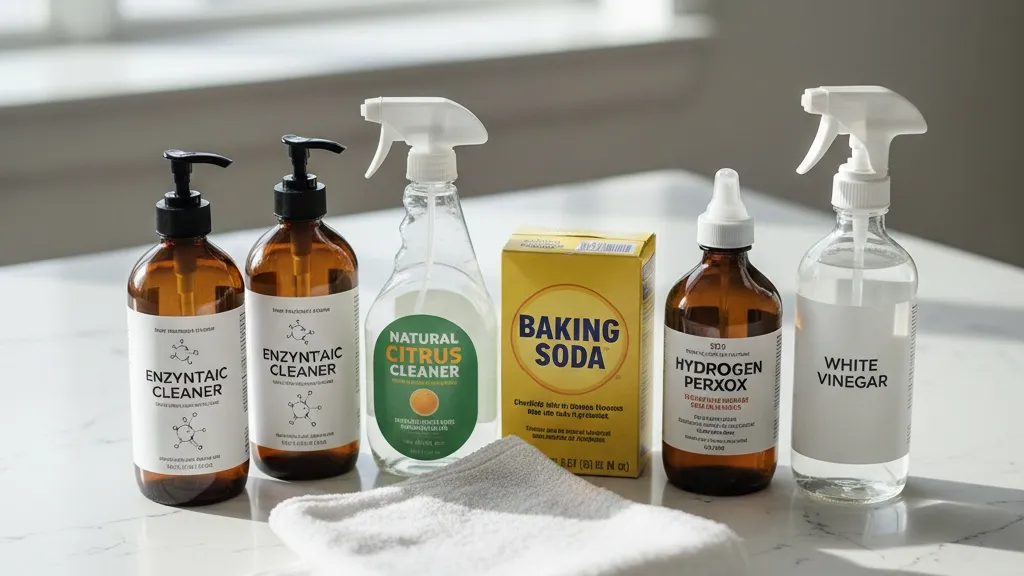
Traditional Cleaning Chemical Dangers
Many household cleaning products contain chemicals toxic to cats. Ammonia, bleach, phenols, and various surfactants cause serious illness when ingested, inhaled, or absorbed through skin contact.
When cleaning, move your cat to a well-ventilated area away from cleaning activities. Use pet-safe cleaning products whenever possible, particularly for surfaces your cat contacts frequently including floors, countertops, and litter box areas.
Ensure thorough rinsing of cleaned surfaces before allowing your cat access. Residual cleaning chemicals on floors or other surfaces can harm cats who walk on them and then groom their paws.
Switching to Pet-Safe Products
Pet-safe cleaning products have become widely available and effective for most household cleaning needs. Look for products labeled as safe for use around pets, or consider natural cleaning alternatives using ingredients like vinegar, baking soda, and hydrogen peroxide.
Enzymatic cleaners are particularly useful for pet households because they break down organic matter including urine, feces, and vomit while being generally safe for pets. These cleaners eliminate odors more effectively than traditional products and prevent cats from being drawn back to previously cleaned areas.
Keep all cleaning supplies in secure cabinets with child-proof latches if necessary. Cats are adept at opening doors and cabinets, and even brief access to cleaning supplies can cause serious harm.
Paint, Solvents, and Fresh Finishes
Spring often brings home improvement projects that introduce additional hazards. Paint fumes, solvent odors, and fresh finishes release volatile compounds that can harm your cat’s respiratory system.
Keep cats away from areas where paint or wood finishes are being applied. Ensure adequate ventilation during and after painting projects, and allow recommended cure time before allowing pet access to freshly finished surfaces.
If undertaking significant renovation projects, consider temporarily relocating your cat to a friend’s home or a pet boarding facility where they will be safe from construction-related hazards.
Open Window and Balcony Safety
Warmer weather tempts many cat owners to open windows for fresh air. This creates a serious hazard that requires preventive measures before opening windows during spring and summer months.
Window Screen Strength and Falls
Standard window screens are designed to keep insects out, not to hold the weight of a cat leaning or pushing against them. Cats fall through unscreened windows, and even screened windows can fail when cats apply pressure.
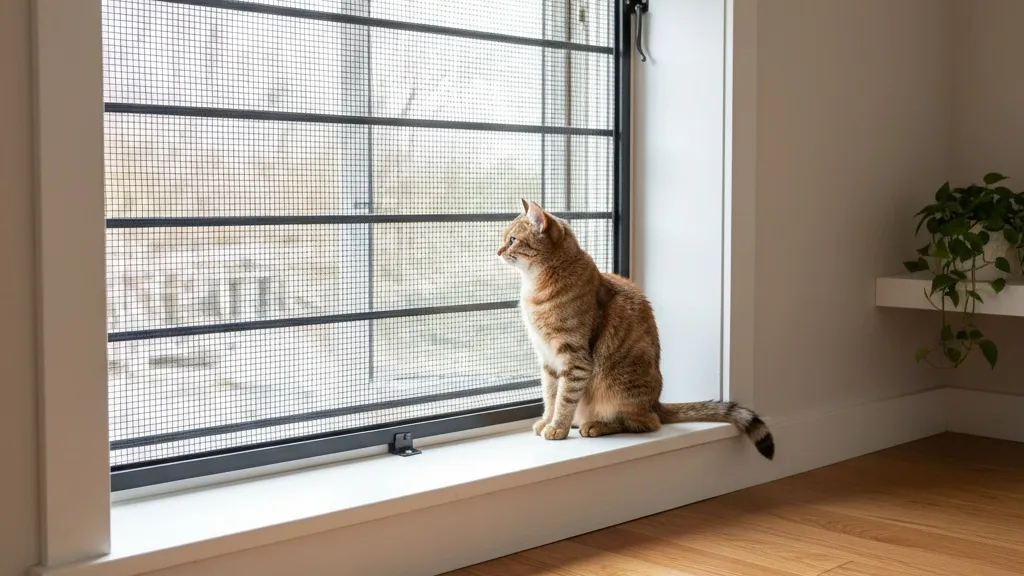
Install window guards or sturdy netting specifically designed for pet safety. These products attach to window frames and provide barriers that cannot be pushed through or dislodged by a determined cat.
The phenomenon sometimes called “high-rise syndrome” demonstrates that cats can fall from surprisingly low heights when startled or distracted. Even second-floor windows pose fall risks, and higher falls cause more severe injuries.
Balcony Enclosure Options
Balconies present particular hazards because cats can slip through railings or jump from railing heights. Cats have died falling from balconies that seemed secure.
Cat-proof balcony netting or plexiglass panels enclose balconies while maintaining views and fresh air. These enclosures prevent escape attempts and falls while allowing your cat to enjoy balcony time safely.
If you cannot fully enclose your balcony, do not allow your cat unattended access. Supervised balcony time with a harness and leash provides safety while allowing your cat to enjoy outdoor fresh air.
Screen Installation Tips
When installing window screens, ensure screens are properly secured in their frames with no gaps or loose edges where cats might push through. Screens should fit snugly without requiring excessive force to install or remove.
Consider adding window stops or locks that prevent windows from opening wide enough for a cat to squeeze through. This allows ventilation while maintaining safety.
Regularly inspect screens for damage, tears, or areas where rust or decay has weakened the material. Replace damaged screens promptly rather than leaving vulnerabilities in place.
Spring Allergies in Cats
Just like humans, cats can develop seasonal allergies. Understanding the signs and management strategies helps keep your allergic cat comfortable during spring.
Environmental Allergens
Spring allergens that commonly affect cats include tree pollens, grass pollens, mold spores, and dust mites. These allergens trigger immune responses that produce various symptoms in sensitive cats.
Unlike humans who typically experience respiratory symptoms, cats more often show skin-related allergy signs. This condition, called flea allergy dermatitis when related to fleas but also occurring with environmental allergens, causes intense itching, scratching, and skin inflammation.
Indoor cats can also be affected by indoor allergens that become more problematic in spring when ventilation increases and outdoor allergens are tracked inside.
Signs of Seasonal Allergies
Watch for increased scratching, particularly around the head, neck, and base of the tail. Paw licking and chewing, red or inflamed skin, hot spots from excessive scratching, and hair loss from grooming all indicate potential allergic reactions.
Ear infections often accompany allergies and may cause head shaking, ear odor, or debris in the ear canals. Respiratory symptoms like sneezing, watery eyes, or nasal discharge are less common but can occur.
Because these symptoms also indicate other conditions, consult your veterinarian for proper diagnosis. Skin scrapings, allergy testing, or elimination diets may be needed to identify the specific cause.
Allergy Management Options
Your veterinarian may recommend antihistamines, corticosteroids, or newer immunotherapy treatments depending on allergy severity and identified triggers. Omega-3 fatty acid supplements sometimes reduce skin inflammation and itching in mild cases.
Frequent bathing with hypoallergenic shampoos removes allergens from the coat and soothes irritated skin. Wiping your cat’s coat with a damp cloth when they come in from outdoors reduces pollen tracked into the home.
Air purifiers and frequent vacuuming help reduce indoor allergen loads. Washing bedding weekly in hot water kills dust mites and removes accumulated allergens.
Spring Activities with Your Cat
Spring offers opportunities to increase enrichment and activity for indoor cats. Embracing the season’s possibilities while maintaining safety enriches your cat’s life.
Moving Outdoor Time to Leash Training
Some cats can be transitionally trained to enjoy supervised outdoor time on a harness and leash. This provides environmental enrichment while maintaining safety. Spring weather makes leash training more comfortable for both cat and owner.
Start with harness indoors, allowing your cat to wear it for short periods while supervised. Never leave a harnessed cat unattended, even for a moment. The combination of spring smells, birds, and outdoor stimuli can trigger instincts that lead to escape attempts.
Not all cats enjoy outdoor adventures, and forcing cats who seem stressed or reluctant causes more harm than good. Respect your cat’s individual preferences and provide enrichment through indoor activities if outdoor time does not appeal to them.
Spring Grooming and Shedding
Spring typically brings heavy shedding as cats lose their winter coats. Increased brushing helps remove loose fur before it mats, reduces hairballs, and prevents fur accumulating throughout your home.
Daily brushing during heavy shedding periods keeps your cat’s coat healthy and comfortable. Tools designed for undercoat removal are particularly effective for long-haired breeds.
The spring grooming season also provides an opportunity to check your cat’s skin for abnormalities while brushing. Lumps, bumps, areas of irritation, or parasites discovered during grooming should be addressed promptly.
Tick and Flea Prevention
Warmer temperatures activate fleas and ticks that may have been dormant during winter. Beginning or maintaining parasite prevention is essential before these pests become active in your area.

Many effective flea and tick prevention products are available through veterinarians or over-the-counter. Discuss options with your veterinarian to choose the product most appropriate for your cat’s health status, indoor lifestyle, and regional parasite challenges.
Year-round prevention is often recommended because fleas can survive indoors year-round in climate-controlled homes. Ticks may be active any time temperatures are above freezing, making winter prevention valuable in many regions.
Garden and Yard Pet-Proofing
If your cat has any outdoor access, ensure your yard is free from toxic plants, pesticides, and fertilizers that could harm your cat. Creating a safe outdoor environment allows your cat to enjoy fresh air and sunshine without exposure to hazards.
Catios (cat patios) provide enclosed outdoor spaces that offer the best of both worlds. Your cat enjoys outdoor time in a completely safe, enclosed environment while you maintain peace of mind about their safety.
Consider installing cat-safe fencing that prevents your cat from leaving your yard while keeping other animals out. Various cat-proof fencing systems are available that create physical barriers cats cannot climb or jump over.
Spring Cat Safety Checklist
Use this checklist to ensure your home is ready for spring with your cat’s safety in mind.
Inspect your home for toxic spring plants including lilies, tulips, and daffodils. Remove any toxic plants or place them in areas completely inaccessible to your cat.
Review your cleaning supplies. Switch to pet-safe products for areas your cat accesses. Secure all cleaning supplies in cabinets with child-proof latches.
Check window screens for damage or weaknesses. Install window guards or safety netting if screens cannot support your cat’s weight.
Assess balcony safety. Install netting or plexiglass panels to prevent falls. Never leave cats unattended on balconies.
Begin or continue flea and tick prevention. Consult your veterinarian about the best products for your cat.
Increase grooming frequency to manage spring shedding. Daily brushing prevents matting and reduces hairballs.
Consider air quality improvements. Air purifiers and frequent vacuuming reduce indoor allergens.
Prepare for seasonal allergies in your cat. Know the signs and consult your veterinarian if you notice increased scratching or skin irritation.
Frequently Asked Questions
What plants are dangerous for cats in spring?
Easter lilies are the most dangerous spring plant for cats and cause life-threatening kidney failure. Tulips, daffodils, hyacinths, and various spring bulb plants are also toxic. Symptoms include vomiting, diarrhea, drooling, lethargy, and loss of appetite. Remove all toxic plants from homes with cats or place them in areas cats cannot access.
Are Easter lilies toxic to cats?
Yes, Easter lilies are extremely toxic to cats. Every part of the plant is poisonous including the flowers, leaves, stems, and pollen. Even small ingestions can cause kidney failure and death. If you have cats, avoid bringing Easter lilies into your home. If exposure occurs, seek immediate veterinary care.
How do I cat-proof my garden?
Cat-proof your garden by removing all toxic plants, avoiding pesticides and fertilizers that could harm cats, and creating physical barriers that prevent access to unsafe areas. Consider installing cat-safe fencing or a catio enclosure. Remove cocoa mulch, which is toxic to cats. Provide safe plants like cat grass and catnip for your cat to enjoy.
Can cats have spring allergies?
Yes, cats can develop seasonal allergies to spring pollens, grasses, and environmental allergens. Signs include increased scratching, paw licking, skin inflammation, hot spots, and hair loss. Respiratory symptoms occur less frequently. Consult your veterinarian for proper diagnosis and treatment options if you notice allergy signs.
Should I let my cat outside in spring?
Cats can enjoy supervised outdoor time during spring, but precautions are essential. Use harnesses and leashes or enclosed outdoor spaces like catios. Maintain year-round flea and tick prevention. Ensure your yard is free from toxic plants and chemicals. Never leave cats unattended outdoors during spring when wildlife activity increases and cats may be tempted to chase prey.
Related Articles
Learn more about keeping your cat safe and healthy with these related guides from CatMeowo.
Our flea and tick prevention guide covers year-round parasite protection for your cat.
Explore the considerations for indoor vs outdoor cats to determine the best lifestyle for your cat.
Review our home preparation guide for comprehensive pet-proofing tips that apply year-round.
This article is for informational purposes only and does not constitute veterinary medical advice. If you suspect your cat has ingested a toxic substance or is experiencing a medical emergency, contact your veterinarian or an animal poison control hotline immediately. Spring safety requirements vary by region and individual cat health status. Consult your veterinarian for personalized guidance.