Indoor vs Outdoor Cats: Which Is Right For Your Cat?
Weighing the pros and cons of indoor vs outdoor cats? Our guide covers lifespan differences, health risks, safety considerations, and how to keep your cat happy whichever lifestyle they live.
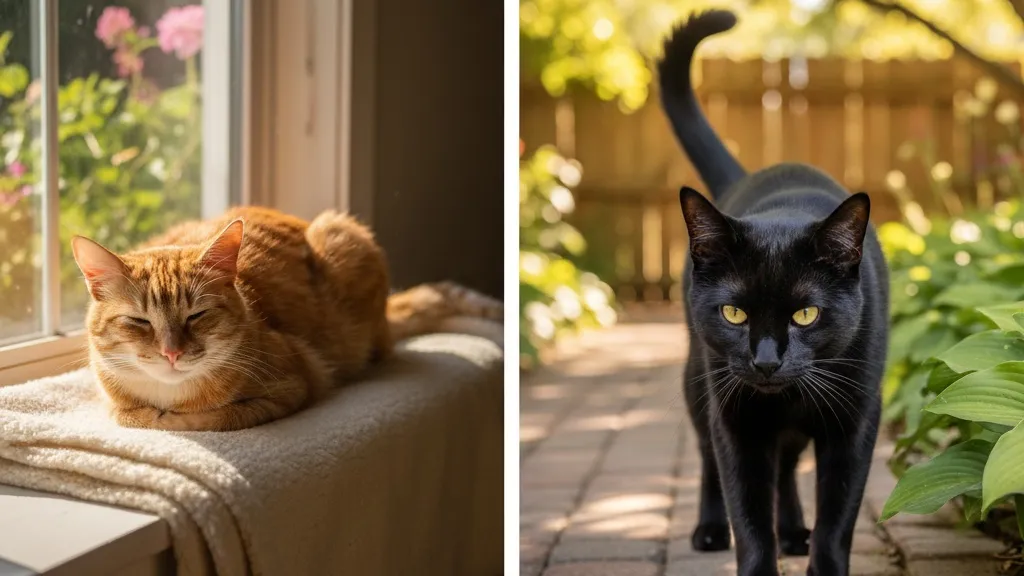
Quick Answer: Indoor vs Outdoor Cats
Both indoor and outdoor living have merits. Indoor cats typically live longer due to reduced risks from traffic, predators, and diseases. Outdoor cats often have more natural stimulation and exercise. Many cat parents find a middle ground through enclosed patios (catios), supervised outdoor time, or leash walking. The right choice depends on your cat’s personality, your living situation, and local safety considerations.
The Lifespan Question
One of the most significant differences between indoor and outdoor cats relates to how long they typically live. Understanding these statistics helps you make an informed decision, though individual cats vary widely.
Indoor cats generally live between 12 and 18 years, with many reaching their late teens or early twenties. This longer lifespan results from reduced exposure to dangers like traffic, predators, diseases, and environmental hazards. Indoor cats also benefit from regular veterinary care, controlled diets, and protection from parasites.
Outdoor cats typically live shorter lives, averaging 2 to 5 years, though some outdoor cats do live longer. The increased risks they face each day add up over time. Even confident outdoor cats face daily dangers from vehicles, other animals, and environmental hazards.
The disparity in lifespan does not automatically settle the debate, however. Many outdoor cats live happy, fulfilling lives, and some indoor cats struggle with boredom or lack of stimulation. The quality of life matters as much as quantity, and every cat is an individual with different needs.
| Living Environment | Average Lifespan |
|---|---|
| Indoor cats | 12-18 years |
| Outdoor cats | 2-5 years |
Health Risks for Outdoor Cats
Outdoor cats face numerous health risks that indoor cats simply do not encounter. Being aware of these risks helps you understand what your outdoor cat faces each time they leave the house.
Infectious diseases are more prevalent among outdoor cats. Feline leukemia virus (FeLV) and feline immunodeficiency virus (FIV) spread through cat fights and social contact with infected cats. These diseases are life-long conditions that require ongoing management. Even cats who have been vaccinated can still be exposed to other respiratory infections and viruses.
Parasites are nearly unavoidable for outdoor cats. Fleas, ticks, ear mites, and intestinal parasites are commonly picked up during outdoor adventures. While these parasites can be treated, they cause discomfort and may transmit diseases. Regular preventive medications are essential for outdoor cats.
Physical injuries from fights with other cats, encounters with dogs or wildlife, and accidents with vehicles are all more common for outdoor cats. Cat fights often result in painful bite wounds that can become infected. Vehicle accidents are a leading cause of death for outdoor cats in urban and suburban areas.
Toxin exposure is a hidden danger for outdoor cats. They may encounter antifreeze in driveways, rodenticides in garages, or toxic plants in neighbors’ gardens. Outdoor cats also risk exposure to chemicals in lawns and gardens that have been treated with fertilizers or pesticides.
Health Considerations for Indoor Cats
While indoor cats avoid many outdoor dangers, they face their own set of potential health issues. Understanding these helps you keep your indoor cat thriving.
Obesity is one of the most common health problems for indoor cats. Without the exercise that outdoor roaming provides, indoor cats can easily gain excess weight. This leads to diabetes, joint problems, and reduced quality of life. Managing portion sizes and providing enrichment activities helps combat this issue.
Boredom and stress can manifest in indoor cats through behaviors like excessive meowing, scratching furniture, or over-grooming. Indoor cats need mental stimulation and environmental enrichment to stay happy. Without adequate outlets for their natural behaviors, they may develop stress-related issues.
Urinary problems are more common in indoor cats, possibly related to reduced water intake and less frequent elimination. Male cats are particularly susceptible to urinary blockages. Providing fresh water, wet food, and clean litter boxes supports urinary health.
Dental disease affects many indoor cats who may not have the variety of textures that wild cats encounter. Regular dental care, including brushing and veterinary checkups, helps maintain healthy teeth and gums.
Exercise and Enrichment Needs
Both indoor and outdoor cats need physical activity and mental stimulation. How you provide these varies based on your cat’s lifestyle, but the need remains constant.
Outdoor cats typically get exercise naturally through exploring, climbing, and hunting. Their environment constantly offers new sights, sounds, and smells to investigate. This natural enrichment keeps them physically fit and mentally engaged.
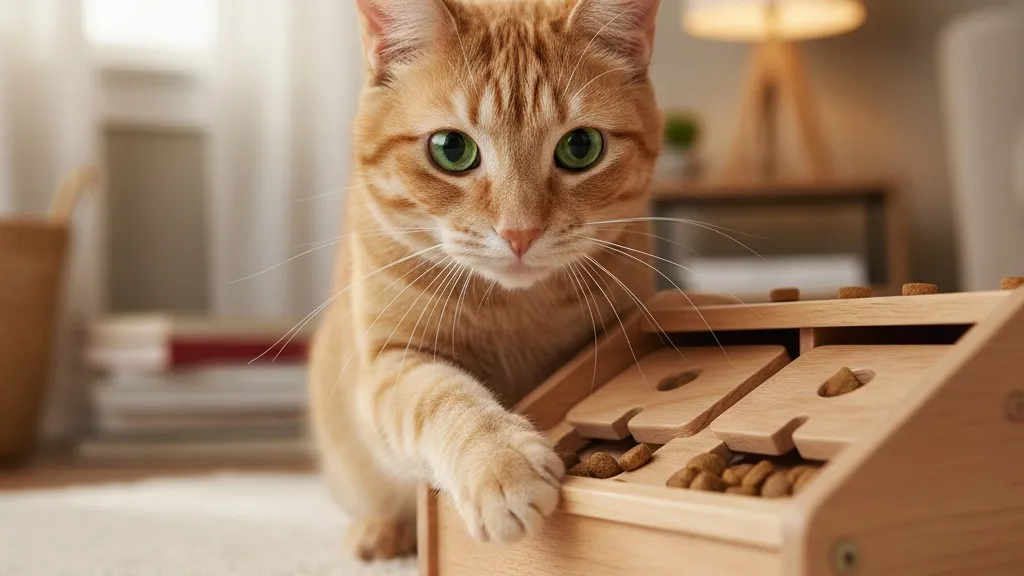
Indoor cats require more deliberate enrichment from their humans. Interactive toys, puzzle feeders, climbing structures, and regular play sessions all help meet their needs. Window perches provide entertainment through bird watching. Rotating toys and introducing new items keeps the environment interesting.
Regardless of whether your cat goes outdoors, daily play sessions are important. Most cats benefit from at least two 15-minute play sessions each day. Wand toys, laser pointers, and interactive toys help satisfy the hunting instinct and burn excess energy.
For indoor cats, creating a stimulating environment reduces problem behaviors. This includes vertical space for climbing, hiding spots for security, and scratching posts for natural scratching behavior. The goal is to make indoor life engaging and satisfying.
Catios and Safe Outdoor Alternatives
Many cat parents who keep their cats indoors still want to give them outdoor experiences. Several options provide outdoor access while minimizing risks.
Catios (cat patios) are enclosed outdoor structures that allow cats to enjoy fresh air and sunshine while remaining safe from dangers. These range from simple window-box sized enclosures to elaborate structures that attach to the house. Catios can be purchased or DIY projects using hardware cloth and wood frames.
Screen porches and enclosed patios offer another option if you have the space. As long as the enclosure is fully sealed with no gaps for escape or entry by other animals, these provide safe outdoor time. Some cats enjoy supervised time on enclosed porches.
Leash walking is an option for cats who tolerate it. Starting young helps, but some adult cats can learn to accept a harness and leash. This provides controlled outdoor exposure and satisfies cats who want to explore beyond the windows.
Outdoor enclosures attached to cat doors allow cats to come and go as they please while remaining protected. These enclosed runs connect directly to the house through a cat door, giving indoor cats independent outdoor access without free roaming.
Transitioning to Indoor Life
Some outdoor cats need to transition to indoor living due to health issues, changes in circumstances, or safety concerns. This transition can be challenging but is often successful with patience.
Start by gradually restricting outdoor access. Begin with keeping your cat indoors for a few days, then allow supervised outdoor time. Slowly decrease the outdoor access over several weeks or months. This gradual approach reduces stress for both you and your cat.
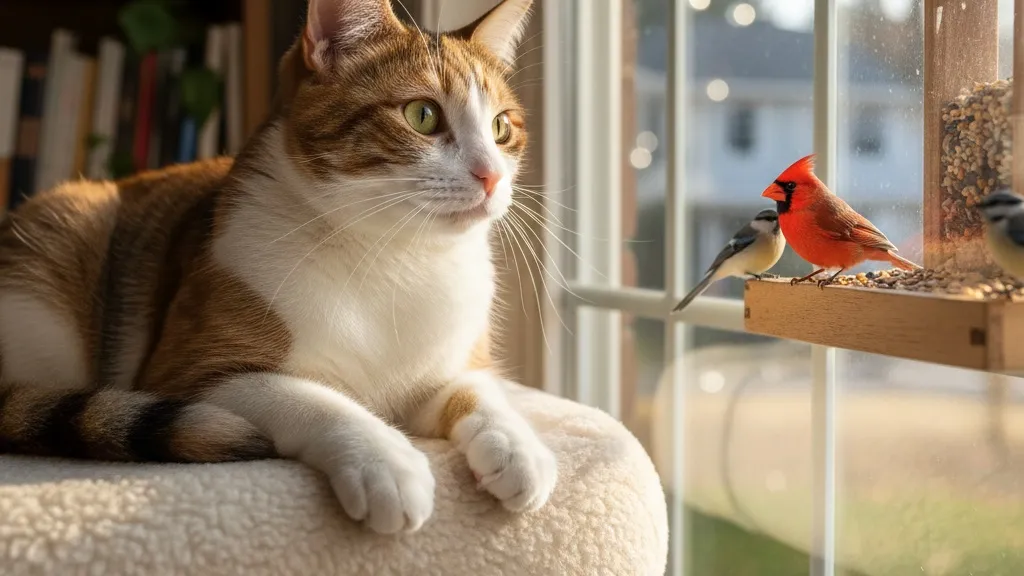
Ensure your indoor environment is enriching enough to satisfy your cat. Provide multiple climbing spots, hiding places, and engaging toys. Consider adding a window perch with a view of birds. The more interesting you make indoors, the less your cat will miss the outdoors.
Increase play time during the transition period. This burns excess energy that might otherwise go toward yowling at the door or trying to escape. Wand toys and interactive play help tire your cat both physically and mentally.
Be patient with the process. Some cats adjust within weeks while others need months. Avoid punishment for escape attempts, as this increases stress and may worsen the behavior. Instead, reward calm indoor behavior with treats and attention.
Making Your Decision
Choosing between indoor and outdoor living for your cat involves weighing multiple factors. There is no single right answer that works for every cat and household.
Your living situation matters significantly. Apartment dwellers may not have safe outdoor access options. Rural properties with less traffic may make outdoor living more feasible. Consider the specific risks in your neighborhood, including traffic patterns, predator populations, and other outdoor cats.
Your cat’s personality influences what lifestyle suits them. Some cats are true adventurers who would be miserable indoors. Others are homebodies who show no interest in going outside. Observe your cat’s temperament when making your decision.
Your local environment affects outdoor cat safety. Urban areas with heavy traffic pose different risks than rural settings with wildlife predators. Consider the specific dangers in your area when evaluating outdoor access.
Your ability to provide enrichment for an indoor cat matters too. If you can commit to daily play sessions and environmental enrichment, indoor life can be highly satisfying for your cat. If you cannot provide adequate stimulation, outdoor access might better meet your cat’s needs.
Frequently Asked Questions
Can indoor cats be happy without going outside?
Yes, indoor cats can be extremely happy with proper enrichment. Daily play, interesting environments, window views, and human interaction all contribute to indoor cat happiness. Many indoor cats live fulfilling lives without any desire to go outside.
Should I let my cat outside in my backyard?
Even a backyard poses risks including exposure to other cats, parasites, and potential escape attempts. Supervised backyard time is safer than free roaming. Consider building a catio or enclosed run for safe backyard access.
How do I keep my indoor cat from wanting to go outside?
Ensure your indoor environment is engaging with toys, climbing spaces, and regular play. Satisfy your cat’s curiosity with window views and new experiences indoors. The more interesting indoor life is, the less your cat will feel they’re missing out.
What is the safest way to let my cat enjoy the outdoors?
Catios, enclosed porches, leash walking, and supervised outdoor time in a secure area are the safest options. Each provides outdoor access while minimizing the risks of free-roaming.
Do cats need outdoor time to be healthy?
Cats do not technically need outdoor access to be healthy. They need exercise, mental stimulation, and an engaging environment. These can all be provided indoors with dedicated cat parents. Outdoor access is a lifestyle choice, not a health requirement.