Cat Vaccination Schedule: A Complete Guide for 2026
Keep your cat healthy with our complete cat vaccination schedule guide. Learn about core vaccines, kitten schedules, adult boosters, senior cat considerations, costs, and what to expect at the vet.
Cat Vaccination Schedule: A Complete Guide for 2026
Protecting your cat through vaccination is one of the most important investments you can make in their long-term health. Vaccines prepare your cat’s immune system to fight serious diseases before they ever have a chance to take hold. Understanding the vaccination schedule helps you make informed decisions about your cat’s healthcare and ensures they receive the right protection at the right times throughout their life.
Quick Answer: The Basic Cat Vaccination Timeline
Kittens should begin their vaccination series between six and eight weeks of age, receiving booster shots every three to four weeks until they reach sixteen weeks old. Core vaccines for cats include feline panleukopenia, feline herpesvirus, and feline calicivirus. Rabies vaccination is also considered core in most areas. Adult cats need booster shots, with the frequency depending on the specific vaccine and your cat’s risk factors.
Your veterinarian will recommend a personalized vaccination schedule based on your cat’s age, health status, lifestyle, and regional requirements. Indoor-only cats may need fewer vaccines than outdoor adventurers, but core vaccines are essential for every cat regardless of how they spend their time.
Understanding Core Vaccines for Cats
Core vaccines are those recommended for all cats because the diseases they prevent are particularly dangerous, highly contagious, or potentially transmissible to humans. These vaccines protect against the most serious threats to feline health and form the foundation of any responsible cat vaccination program.
Feline Panleukopenia
Feline panleukopenia, often called feline distemper, is a devastating viral disease that attacks rapidly dividing cells in the bone marrow, intestines, and developing nervous system. This illness is extremely contagious and can survive in the environment for months or even years, meaning even indoor cats can be exposed through contaminated objects, clothing, or insects.
Symptoms of panleukopenia include severe vomiting, diarrhea (often bloody), fever, lethargy, and sudden death. Kittens and young cats are most vulnerable, and the mortality rate can reach ninety percent in untreated cases. Even with aggressive treatment, many affected cats do not survive.
The panleukopenia vaccine is remarkably effective at preventing this terrible disease. Vaccination provides long-lasting immunity that has saved countless feline lives since the vaccine was developed. Keeping your cat up to date on this vaccine is truly one of the most important things you can do for their health.
Feline Herpesvirus
Feline herpesvirus, also known as feline viral rhinotracheitis, causes upper respiratory infections that remain with affected cats for life. Once infected, a cat carries the virus indefinitely, experiencing periodic flare-ups during times of stress or immune suppression.
Symptoms during active infection include sneezing, nasal discharge, conjunctivitis, corneal ulcers, fever, and loss of appetite. In kittens or cats with compromised immune systems, herpesvirus infections can become severe and lead to chronic respiratory problems or permanent damage to the eyes.
The herpesvirus vaccine does not completely prevent infection but dramatically reduces the severity of symptoms and the frequency of flare-ups. Vaccinated cats who do become infected typically experience milder illness and recover more quickly than unvaccinated cats would.
Feline Calicivirus
Feline calicivirus is another major cause of upper respiratory infections in cats, often working alone or in combination with herpesvirus. This virus is highly adaptable and exists in many different strains, some of which cause more severe disease than others.
Symptoms range from mild sneezing and nasal discharge to severe oral ulceration, pneumonia, and joint inflammation. Some strains of calicivirus can cause a condition called “limping syndrome” in kittens, characterized by fever and painful, swollen joints.
The calicivirus vaccine helps protect against multiple strains of this virus and significantly reduces the severity of illness in vaccinated cats. Because calicivirus mutates readily, even vaccinated cats can become infected, but they generally experience much milder symptoms than unvaccinated cats would develop.
Rabies
Rabies is a fatal viral disease that affects the nervous system of all mammals, including cats and humans. The virus is transmitted through the saliva of an infected animal, typically through bites or scratches. Once symptoms appear, rabies is almost universally fatal.
Rabies vaccination is required by law in most jurisdictions because of the danger this disease poses to public health. Even indoor cats should be vaccinated, as exposure can occur through encounters with bats that enter homes or other unexpected sources. The legal requirements for rabies vaccination vary by location, so check with your local animal control or veterinary office for specific rules in your area.
Modern rabies vaccines are extremely safe and provide long-lasting protection. The frequency of rabies boosters depends on the type of vaccine used and local regulations, ranging from annually to every three years.
Non-Core Vaccines: Considering Your Cat’s Risk
Non-core vaccines are those recommended based on a cat’s specific risk factors, including their lifestyle, environment, and likelihood of exposure to certain diseases. Your veterinarian can help you determine which non-core vaccines, if any, your cat should receive.
Feline Leukemia Virus
Feline leukemia virus, commonly called FeLV, is a serious retroviral disease that compromises a cat’s immune system and can lead to cancer, blood disorders, and immune suppression. Cats become infected through close prolonged contact with infected cats, typically through saliva, blood, or from mothers to kittens.
Outdoor cats, cats who live with FeLV-positive cats, and kittens born to infected mothers face the highest risk of FeLV infection. Indoor-only cats who never have contact with other cats generally have very low risk. For more information on FeLV and other feline health conditions, see our Common Cat Health Problems guide.
The FeLV vaccine is recommended for kittens and young cats since their developing immune systems make them more susceptible to infection. Adult cats who go outdoors or live with FeLV-positive cats may also benefit from vaccination. Discuss your cat’s specific risk factors with your veterinarian to determine if FeLV vaccination is appropriate.
Bordetella Bronchiseptica
Bordetella bronchiseptica is a bacterium that causes respiratory infections in cats, particularly in multi-cat environments like shelters, catteries, and breeding facilities. Symptoms include sneezing, nasal discharge, fever, and enlarged lymph nodes. In most healthy adult cats, bordetella infections are relatively mild and resolve on their own.
The bordetella vaccine may be recommended for cats who visit groomers, boarding facilities, or show cats who have contact with many other felines. Kittens in shelters or breeding facilities may also benefit from bordetella vaccination to prevent respiratory disease outbreaks. For a comprehensive approach to parasite prevention, see our Flea, Tick, and Parasite Prevention guide.
Kitten Vaccination Schedule
Kittens receive temporary immunity from antibodies in their mother’s milk during the first few weeks of life. However, these maternal antibodies also interfere with vaccine effectiveness, which is why kittens need a series of booster shots to ensure adequate protection as maternal antibodies fade.
The First Visit (6-8 Weeks)
Your kitten’s first vaccination visit typically occurs around six to eight weeks of age. At this appointment, your veterinarian will perform a complete physical examination, discuss parasite prevention, and begin the vaccination series.
The first vaccines usually include a combination shot protecting against panleukopenia, herpesvirus, and calicivirus. Your veterinarian may also discuss starting the FeLV vaccination series if your kitten has any risk factors for this disease.
This first visit is also an excellent opportunity to discuss spaying or neutering, microchipping, and other aspects of preventive care for your new kitten.
Booster Visits (Every 3-4 Weeks)
Kittens need booster shots every three to four weeks until they reach sixteen to twenty weeks old. This timing ensures protection as maternal antibodies fade while the kitten develops their own immune response to the vaccines.
Most kittens receive two to three booster shots during this period, depending on when they started the series. Each booster strengthens and extends the immunity begun with the first vaccine.
Keeping your kitten’s vaccination schedule on track is essential. Delaying boosters can create gaps in protection during this vulnerable period of early life.
The Final Kitten Visit (16 Weeks or Later)
The final kitten vaccination visit typically includes the last booster in the initial series and the rabies vaccine. By sixteen weeks of age, most kittens have developed sufficient immunity from their vaccination series.
Your veterinarian will also perform a final health assessment before your kitten transitions to adult cat care. This visit marks the end of the intensive kitten vaccination period and the beginning of adult booster schedules.
Adult Cat Vaccination Schedule
Adult cats need regular booster shots to maintain their immunity against serious diseases. The vaccination schedule for adult cats depends on the specific vaccines used and your cat’s individual risk factors.
Annual Boosters
Many core vaccines are administered annually for adult cats. Your veterinarian will determine the appropriate timing for your cat’s specific situation, but annual vaccination visits are typically recommended to maintain protection against panleukopenia, herpesvirus, and calicivirus.
Annual veterinary visits also provide important opportunities for comprehensive health assessments, dental examinations, and discussions about any changes in your cat’s health or behavior. Regular dental care is important for cats of all ages, so consider reading our Cat Dental Care guide alongside your vaccination schedule.
Three-Year Boosters
Some vaccines, including certain formulations of the core vaccines and rabies vaccines, provide protection that lasts three years or longer. Your veterinarian can use vaccines labeled for three-year duration when appropriate for your cat.
The specific vaccination interval for your adult cat depends on factors including vaccine type, local regulations (especially for rabies), and your veterinarian’s professional judgment about your cat’s individual needs.
Vaccine Titer Testing
Some veterinarians offer titer testing to assess a cat’s immunity levels before vaccinating. Titer tests measure antibody levels in the blood and can indicate whether a cat still has protective immunity from previous vaccinations.
While titer testing can be useful in certain situations, it is not a substitute for vaccination in most cases. Discuss the pros and cons of titer testing with your veterinarian to determine if it makes sense for your cat.
Senior Cat Vaccination Considerations
As cats age, their immune system function may decline, making appropriate vaccination still important for their protection. However, senior cats may also have health conditions that affect vaccination decisions.
Adjusting the Vaccination Plan
Senior cats with chronic health conditions may benefit from modified vaccination protocols. Your veterinarian can help you develop a vaccination strategy that balances protection against disease risk with any age-related health concerns.
Blood work before vaccination may be recommended for some senior cats to assess overall health status and help guide vaccination decisions.
Frequency Considerations
Some veterinarians recommend continuing annual vaccinations for senior cats, while others may extend the interval between boosters for core vaccines in healthy older cats. The appropriate approach depends on your individual cat’s health status and risk factors.
Never assume that vaccination is no longer necessary for your senior cat. The diseases prevented by core vaccines remain dangerous throughout a cat’s life, and maintaining immunity is usually important for ongoing protection. For more information on age-related health concerns, see our Common Cat Health Problems guide.
What to Expect at the Vaccination Visit
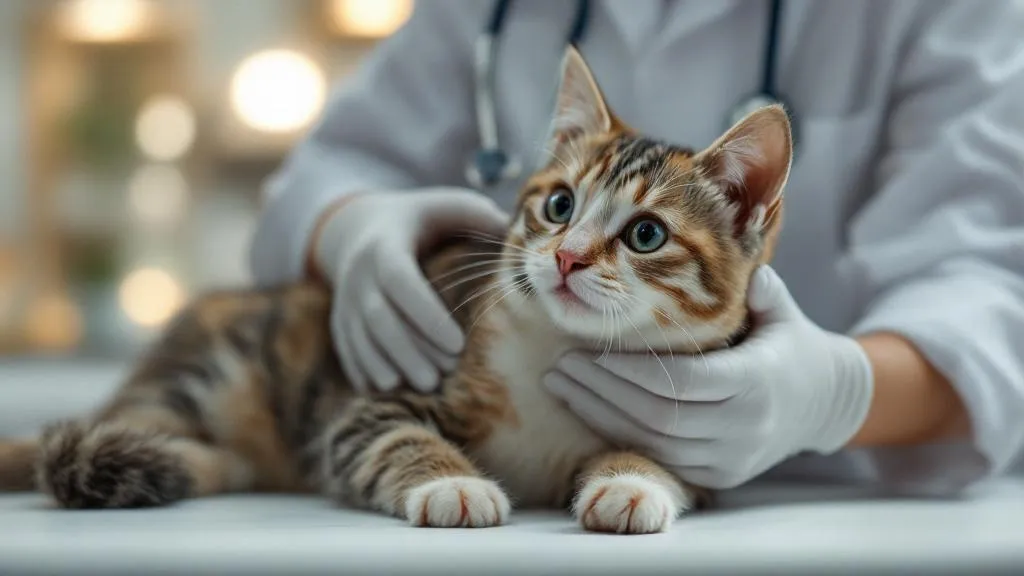
Understanding what happens during a vaccination visit can help reduce anxiety for both you and your cat. Most vaccination appointments proceed smoothly and quickly.
The Physical Examination
Before administering any vaccines, your veterinarian will perform a complete physical examination. This assessment ensures your cat is healthy enough to receive vaccines and provides valuable information about your cat’s overall condition.
The exam typically includes checking weight, temperature, heart rate, and respiratory rate, as well as examining the eyes, ears, mouth, skin, and abdomen. Any concerns noted during the exam will be discussed before proceeding with vaccination.
Vaccine Administration
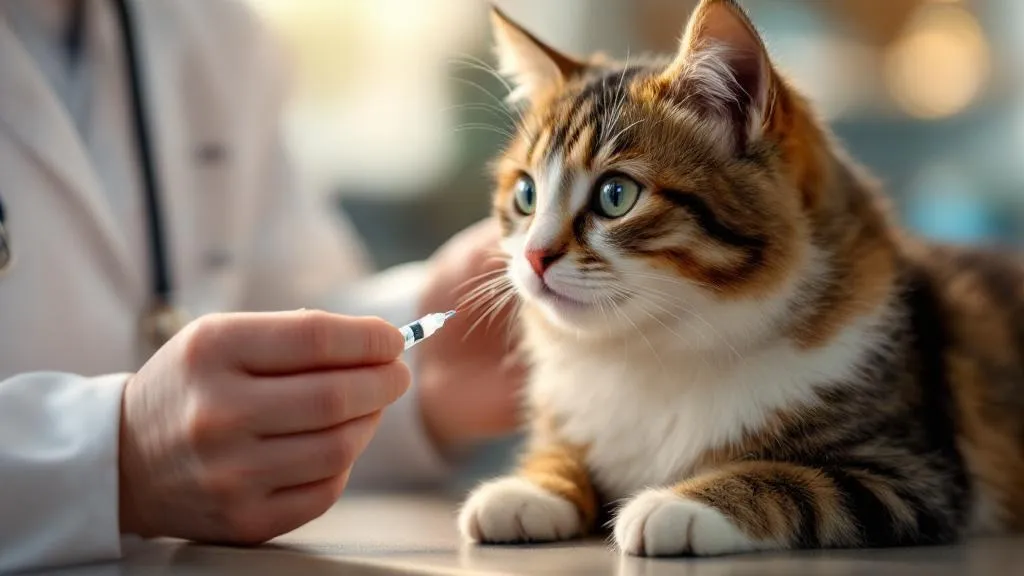
Vaccines are typically administered through injection under the skin, usually in the scruff of the neck or the hind leg. Most cats tolerate vaccine injections well, experiencing only brief, mild discomfort.
Some vaccines, such as intranasal bordetella vaccine, may be administered through drops in the nose instead of injection. Your veterinarian will let you know which vaccines your cat is receiving and how they will be given.
Observation Period
After vaccination, your cat will be observed for a short period to watch for any immediate adverse reactions. Serious allergic reactions to vaccines are rare but can occur, and immediate veterinary care may be needed if they develop.
Most cats can go home within minutes of receiving their vaccines, ready to resume normal activities right away.
Potential Vaccine Side Effects
Understanding possible side effects helps you know what to watch for after vaccination and when to seek veterinary care.
Common Mild Side Effects
Mild side effects are relatively common after vaccination and typically resolve on their own within a day or two. These may include soreness at the injection site, mild fever, decreased appetite, and reduced activity level.
Some cats may be slightly lethargic or have a reduced appetite for a day or two following vaccination. These symptoms should be mild and improve quickly.
Less Common Moderate Reactions
Less common reactions include prolonged lethargy, persistent vomiting or diarrhea, or significant swelling at the injection site. Contact your veterinarian if these more concerning symptoms persist beyond two days.
Rare Serious Reactions
Serious allergic reactions to vaccines are rare but require immediate veterinary attention. Symptoms may include difficulty breathing, facial swelling, collapse, or seizure-like activity. If you observe any of these symptoms, seek emergency veterinary care immediately.
The risk of serious reaction must be balanced against the significant protection vaccines provide against deadly diseases. For most cats, the benefits of vaccination far outweigh the small risks.
Vaccination Costs and Planning
Vaccination costs vary by region, veterinary practice, and the specific vaccines administered. Planning for vaccination expenses helps ensure your cat receives timely protection.
Typical Cost Ranges
Core vaccination series for kittens typically cost between one hundred and two hundred dollars, including the examination fee. Annual boosters for adult cats generally cost less than the initial kitten series.
Rabies vaccination may be included in annual costs or may be a separate expense, depending on local regulations and your veterinarian’s policies.
Budget-Friendly Options
Many veterinary practices offer vaccination clinics or wellness packages that reduce the cost of preventive care. Some animal shelters and humane societies also provide low-cost vaccination services.
Pet insurance may cover vaccination costs, depending on your policy. Some wellness plans specifically include routine vaccinations as covered benefits.
Frequently Asked Questions
Can indoor cats skip vaccinations?
No, core vaccinations should be given to all cats regardless of lifestyle. Even indoor cats can be exposed to diseases through unexpected sources like contaminated objects, clothing, or insects that enter homes. Additionally, core vaccines protect against diseases that are nearly always fatal, making the small risk of vaccination worth taking for every cat.
What happens if I miss a booster?
Contact your veterinarian as soon as possible to schedule the missed booster. The appropriate response depends on how long the delay has been and your cat’s previous vaccination history. Your veterinarian may recommend restarting the series or simply administering the missed dose to restore protection.
Are vaccine side effects in cats dangerous?
Most vaccine side effects in cats are mild and resolve quickly. Serious reactions are rare but do require immediate veterinary attention. The benefits of vaccination against deadly diseases almost always outweigh the small risks of side effects.
How many vaccines does my adult cat need each year?
The number of vaccines your adult cat needs annually depends on which vaccines are due, your cat’s specific risk factors, and the duration of immunity provided by previous vaccines. Your veterinarian will recommend a personalized schedule based on your cat’s individual needs.
Final Thoughts
Keeping your cat current on vaccinations is one of the simplest and most effective ways to protect their health throughout their life. Work with your veterinarian to develop a vaccination plan appropriate for your cat’s age, lifestyle, and individual health needs.
Regular veterinary visits ensure your cat receives appropriate vaccines at the right times while also providing important opportunities to monitor your cat’s overall health. These appointments help establish baseline information about your cat and allow early detection of any health concerns.
Your cat depends on you to make informed decisions about their healthcare. Understanding the vaccination schedule empowers you to be an effective advocate for your feline companion’s wellbeing.
This article is for informational purposes only and is not a substitute for professional veterinary advice. Consult with your veterinarian to develop a vaccination schedule appropriate for your individual cat.