Caring for Your Senior Cat: Health, Nutrition, and Quality of Life
Help your senior cat thrive in their golden years with our comprehensive guide covering nutrition, health care, comfort accommodations, and signs of aging to watch for.
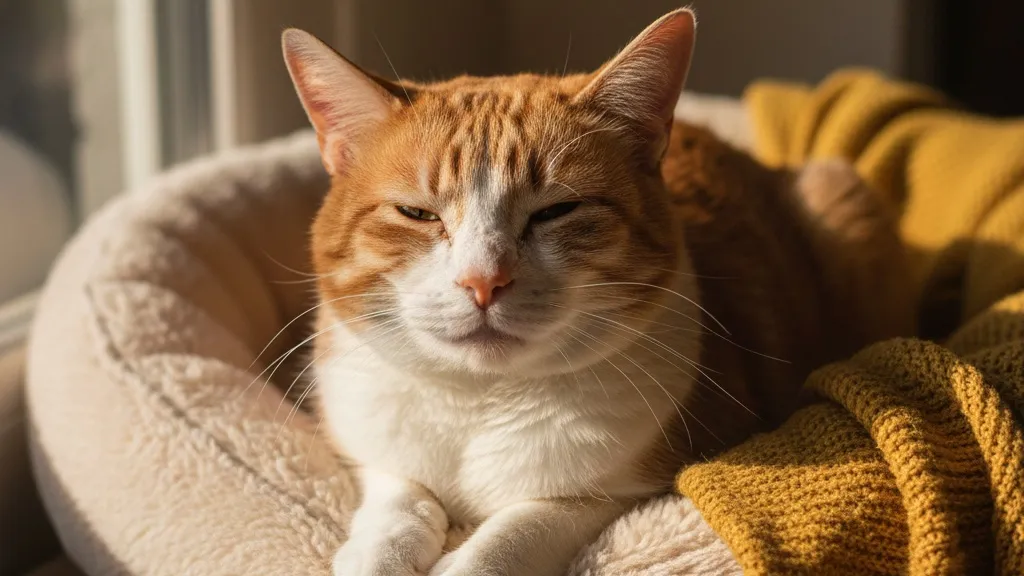
Caring for Your Senior Cat: Health, Nutrition, and Quality of Life
Watching your cat grow older is a privilege that comes with unique rewards. Senior cats have unique needs that differ from their younger counterparts, and understanding how to support them through their golden years helps ensure they remain happy, comfortable, and healthy for as long as possible. This guide covers everything you need to know about caring for your senior feline companion.
Quick Answer: Senior Cat Care Essentials
Cats are typically considered seniors at 11 years of age, though some may show signs of aging earlier. Senior cats benefit from adjusted nutrition with fewer calories, more frequent veterinary checkups every six months, and accommodations for mobility or cognitive changes. With proper care, many cats live well into their late teens and even early twenties, enjoying excellent quality of life throughout their senior years.
When Is a Cat Considered a Senior?
Understanding when your cat enters their senior years helps you prepare for the changes ahead. While every cat is different, veterinary professionals generally categorize feline aging into distinct life stages.
Age Benchmarks for Cats
Cats reach maturity around seven years of age. At this point, they have fully developed and may begin showing subtle signs of aging. Senior status typically arrives at 11 years, marking the beginning of the geriatric life stage. Cats aged 15 and older are generally considered geriatric, requiring even more attentive care and monitoring.
These benchmarks serve as general guidelines. Large breed cats often age faster than smaller breeds, sometimes showing senior characteristics by age eight or nine. Mixed breed cats may enjoy greater genetic diversity that promotes longevity, while purebred cats of certain lines may age more quickly.
Why Senior Care Matters
Senior cats represent a significant and growing portion of the cat-owning population. Thanks to improved veterinary care, better nutrition, and indoor living arrangements, cats are living longer than ever before. This means more cat owners are navigating senior cat care, seeking guidance on how to keep their aging companions comfortable and healthy.
The investment you make in your senior cat’s care pays dividends in the form of more quality years together. Cats in their golden years still possess that distinctive feline personality, playful spirit, and independent nature. They simply need some adjustments to their care routine to accommodate the natural changes that come with aging.
Signs of Aging in Cats
Recognizing the signs of aging helps you provide timely support for your senior cat. These changes may be physical, behavioral, or cognitive in nature, and being aware of them allows you to address concerns early.
Physical Changes
The aging process affects your cat’s body in visible ways. The coat may become less lustrous or appear slightly duller as oil production decreases. The fur might feel coarser or thinner than it once did. Some cats develop a grayish tint to their fur, particularly around the muzzle and eyebrows.
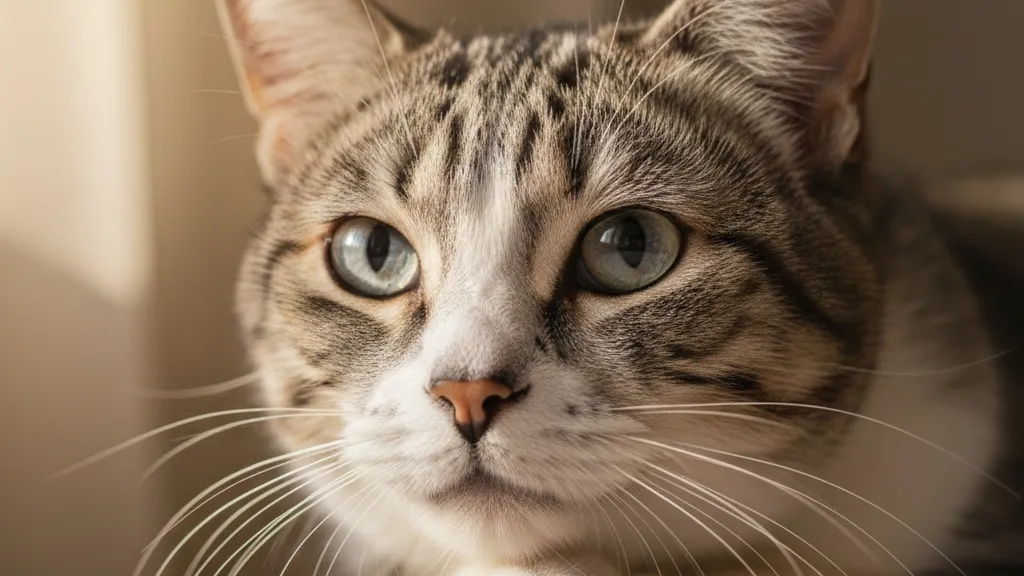
Eye changes are common in senior cats. You might notice a slightly cloudy appearance to the lenses, which is a normal age-related change called nuclear sclerosis. This differs from cataracts, which cause more significant vision impairment. Your cat’s eyes might produce more discharge or tear residue, requiring gentle cleaning.
Mobility often decreases with age. Your senior cat may be less inclined to jump to high places, or they might approach their favorite perches more carefully. Stiffness after rest, reluctance to climb stairs, or difficulty posturing in the litter box can all indicate age-related joint changes.
Behavioral Changes
Senior cats often adjust their daily routines as they age. You might notice your cat sleeping more deeply or for longer stretches. Conversely, some senior cats experience disrupted sleep patterns, wandering more during the night or resting less soundly.
Vocalization patterns may change in senior cats. Some become more talkative, particularly if they are experiencing confusion or anxiety. Others may meow less frequently or more softly. Any sudden change in vocalization habits warrants a veterinary visit to rule out underlying issues.
Activity levels typically decrease as cats age. Your senior cat might play less enthusiastically or tire more quickly during play sessions. This is a normal part of aging, but maintaining some level of activity helps keep joints mobile and muscles strong.
Cognitive Changes
Cognitive decline can affect senior cats, similar to how it affects aging humans. Signs of cognitive dysfunction include disorientation, particularly in familiar surroundings. Your cat might wander into corners and seem uncertain how to exit, or they might fail to recognize family members or familiar faces.
Changes in litter box habits sometimes occur with cognitive decline. A previously reliable cat might start having accidents outside the box, or they might forget where the box is located entirely. These changes can be frustrating, but patience and understanding help as you work with your veterinarian to manage them.
Anxiety or restlessness, especially during evening hours, can indicate cognitive changes. Some senior cats pace constantly or seem unable to settle down. These behaviors often worsen in low-light conditions.
Warning Signs Requiring Veterinary Attention
While many age-related changes are normal, certain symptoms indicate potential health problems that need prompt veterinary care. Sudden weight loss, increased thirst or urination, loss of appetite lasting more than a day, difficulty breathing, or sudden weakness all warrant immediate veterinary attention.
Any sign of pain, such as reluctance to move, crying when touched, or hiding, should be evaluated promptly. Senior cats are masters at hiding discomfort, so any behavioral change that seems significant deserves professional assessment.
Nutrition for Senior Cats
Proper nutrition supports your senior cat’s health and vitality. Their dietary needs differ from those of younger cats, requiring adjustments to caloric intake, protein levels, and specific nutrient supplementation.

Caloric Intake Adjustments
Senior cats typically require fewer calories than younger cats because their activity levels have decreased. Continuing to feed the same portions as when your cat was younger often leads to unwanted weight gain, which stresses joints and organs.
However, obesity is not the only concern. Some senior cats have difficulty maintaining adequate weight, particularly if they have dental problems, digestive issues, or chronic health conditions. Monitoring your cat’s body condition and adjusting portions accordingly helps maintain an ideal weight throughout their senior years.
Working with your veterinarian to determine appropriate caloric intake for your senior cat’s specific situation ensures they receive adequate nutrition without excess calories. Many senior cats benefit from feeding smaller, more frequent meals throughout the day.
Protein Considerations
A common misconception suggests that high protein diets harm senior cats, particularly their kidneys. However, research indicates that most senior cats need adequate protein to maintain muscle mass, immune function, and overall health. Restricting protein prematurely can actually be harmful.
The key is feeding high-quality protein sources that are easily digestible. Senior cats may benefit from slightly increased protein levels compared to adult maintenance diets, particularly if they are experiencing muscle loss. Your veterinarian can recommend appropriate protein levels based on your cat’s individual health status.
Some senior cats develop kidney disease, which does require carefully managed protein intake. If your cat has been diagnosed with kidney issues, your veterinarian will recommend a therapeutic diet specifically formulated for renal health.
Joint-Supporting Supplements
Several supplements support joint health and mobility in senior cats. Glucosamine and chondroitin sulfate help maintain cartilage integrity and may reduce inflammation in aging joints. Omega-3 fatty acids, particularly those derived from fish oil, support both joint health and cognitive function.
Before starting any supplement, discuss it with your veterinarian. They can recommend appropriate products and dosages based on your cat’s health status. Not all supplements are created equal, and some may interact with medications or health conditions.
Antioxidants such as vitamin E and selenium support overall cellular health and may help slow cognitive decline. Senior cat formulas often include these important nutrients, but supplementation may provide additional benefit in some cases.
Hydration and Wet Food Benefits
Senior cats often benefit from increased moisture in their diet. Wet food provides hydration alongside nutrition, supporting kidney function and helping prevent constipation. The softer texture of wet food also benefits cats with dental problems who struggle with dry kibble.
Many senior cats are prone to dehydration, which affects kidney function and overall health. Feeding wet food, providing fresh water in multiple locations, and considering a water fountain encourage adequate hydration. Some senior cats prefer warm food, which can be more appealing and easier to eat.
Combining wet and dry food offers flexibility while providing the benefits of both. You might feed wet food as the primary meal and offer dry kibble as a snack or supplement. This approach provides variety while ensuring adequate nutrition and hydration.
Senior Cat Food Recommendations
Commercial senior cat foods are formulated to address the specific needs of aging cats. Look for foods with high-quality protein sources, appropriate calorie levels, and added joint-supporting nutrients. Avoid foods with excessive carbohydrates or low-quality protein sources.
Hill’s Science Diet k/d and Royal Canin Aging 12+ are therapeutic and maintenance options frequently recommended by veterinarians for senior cats. These formulas support kidney function, joint health, and overall wellbeing in aging cats.
Your veterinarian can recommend the most appropriate food based on your cat’s individual health status. Cats with specific conditions such as kidney disease, diabetes, or obesity require therapeutic diets formulated for their particular needs.
Senior Cat Health Care
Senior cats benefit from more frequent veterinary attention than younger cats. Regular monitoring helps catch health problems early, when treatment is most effective.
Increased Veterinary Visit Frequency
Senior cats should see their veterinarian at least twice yearly, compared to the annual visits recommended for younger adult cats. These checkups allow for thorough physical examinations, blood work monitoring, and early detection of age-related health problems.
During senior wellness visits, your veterinarian typically performs a complete physical examination, checks blood pressure, and may recommend blood and urine testing. These screening tests establish baseline values and help detect problems before obvious symptoms appear.
Between veterinary visits, monitor your senior cat closely for any changes in behavior, appetite, water consumption, litter box habits, or overall demeanor. Keeping a simple log helps you track patterns and identify concerns to discuss with your veterinarian.
Common Senior Cat Health Issues
Several health conditions disproportionately affect senior cats. Understanding these issues helps you recognize warning signs and seek appropriate care.
Kidney disease is common in older cats, affecting a significant percentage of cats over 10 years of age. Early detection through blood and urine testing allows for management with special diets and medications that slow progression and maintain quality of life.
Hyperthyroidism, an overactive thyroid gland, typically affects cats in their teens. Signs include weight loss despite increased appetite, hyperactivity, increased thirst and urination, and coat changes. This condition is manageable with medication, radioactive iodine treatment, or dietary therapy.
Arthritis affects a large percentage of senior cats, though many cases go undiagnosed because cats hide their pain so effectively. Limping is uncommon; more subtle signs include reluctance to jump, difficulty using the litter box, decreased grooming, and increased irritability when touched.
Diabetes mellitus occurs more frequently in senior cats, particularly those who are overweight. Signs include increased thirst and urination, weight loss despite good appetite, and lethargy. Diabetes in cats is often manageable with insulin therapy and dietary changes.
Dental disease deserves special attention in senior cats. Many older cats have significant dental problems that cause pain and affect their ability to eat. Regular dental examinations and professional cleanings under anesthesia help maintain oral health.
Pain Recognition and Management
Cats are experts at hiding pain, making it challenging to recognize when they are uncomfortable. Subtle signs of pain in senior cats include reluctance to be picked up or touched in certain areas, decreased activity, changes in grooming habits, and altered facial expression.
More obvious signs include limping, crying when moving, difficulty settling into comfortable positions, and reluctance to use stairs or jump. Any sign of pain warrants veterinary evaluation to determine the cause and develop an appropriate management plan.
Pain management options for senior cats may include medications, joint supplements, therapeutic diets, acupuncture, physical therapy, and environmental modifications. Your veterinarian can recommend a comprehensive pain management approach tailored to your cat’s specific needs.
Dental Health Importance
Dental health significantly impacts overall health and quality of life in senior cats. Dental disease causes pain that affects eating, grooming, and behavior. The bacteria from infected gums can enter the bloodstream and damage internal organs including the heart, kidneys, and liver.
Signs of dental problems in cats include bad breath, difficulty eating particularly dry food, drooling, pawing at the mouth, and visible tartar buildup or red, swollen gums. Any of these signs warrant veterinary dental assessment.
Professional dental cleanings under anesthesia are typically necessary to properly assess and treat dental disease in cats. Your veterinarian examines each tooth individually, performs dental X-rays to evaluate tooth roots, and provides thorough cleaning both above and below the gumline.
Comfort and Quality of Life
Making your home comfortable and accessible for your senior cat helps them navigate their golden years with ease and dignity. Small adjustments make a significant difference in their daily comfort.

Litter Box Accessibility
Senior cats may struggle with traditional litter boxes due to mobility limitations, joint pain, or cognitive changes. Providing accessible litter box options helps ensure they can eliminate comfortably and appropriately.
Choose litter boxes with lower sides that are easier to step over. Commercial litter boxes with cut-out entrances or disposable boxes work well for senior cats. Place boxes on each floor of your home to reduce the distance your cat must travel.
Multiple litter boxes throughout the home provide options and reduce competition in multi-cat households. Keeping boxes extremely clean is especially important for senior cats, who may avoid a dirty box if it causes them discomfort or confusion.
Consider the type of litter as well. Some senior cats develop preferences based on paw sensitivity or ease of digging. Soft, unscented clumping litter is often well-accepted by older cats.
Beds and Resting Areas
Senior cats benefit from comfortable, supportive bedding that cushions aging joints. Orthopedic cat beds with memory foam provide superior comfort compared to traditional beds. Heated beds offer additional comfort for cats with arthritis or those who feel the cold more acutely.
Place beds in warm, draft-free locations away from household traffic. Many senior cats appreciate heated beds or self-warming beds that reflect their body heat back to them. Avoid placing beds in cold basements or near air conditioning vents.
Elevated beds or perches give senior cats a comfortable place to observe their environment without straining to jump to high surfaces. Cat trees with multiple platforms at varying heights, with easy-access ramps, provide comfortable resting spots throughout your home.
Ramps and Stairs
If your senior cat enjoys perching on furniture, beds, or windowsills, providing ramps or stairs helps them reach these favorite spots without jumping. Pet stairs with carpeted steps suit many senior cats, particularly those with moderate mobility limitations.
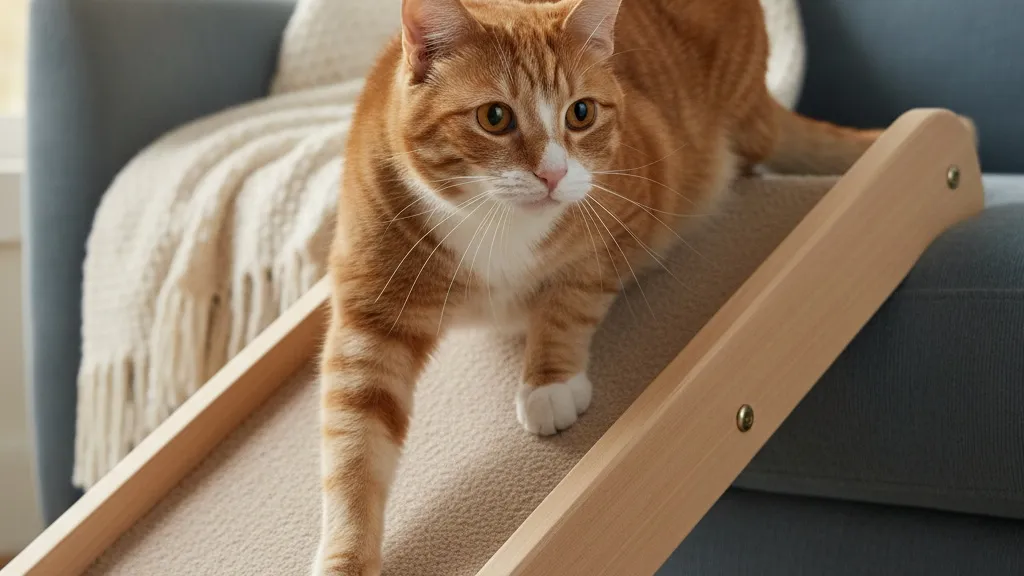
Ramps work well for cats who struggle with stairs or who need easier access to higher surfaces. Foldable ramps fit behind furniture and deploy when needed. Some owners install permanent ramps or use sturdy ottomans as intermediate stepping stones.
Observe where your cat naturally gravitates and ensure they can access these spots comfortably. You might not need ramps everywhere, but having options available for their favorite perches makes a significant difference in their daily life.
Grooming Assistance
Senior cats may struggle with grooming as flexibility decreases and conditions like arthritis make reaching certain areas uncomfortable. Regular gentle grooming helps maintain coat health and provides bonding time between you and your cat.
Use soft brushes that do not pull on the coat or irritate sensitive skin. Grooming sessions also provide an opportunity to check your cat’s body for lumps, bumps, or areas of tenderness. Many senior cats enjoy being brushed, even in areas they would normally groom themselves.
Some senior cats benefit from more frequent brushing to remove loose fur and prevent matting. Pay particular attention to areas where mats commonly form, such as behind the ears, under the front legs, and around the hindquarters.
Is My Cat a Senior? Quick Checklist
Use this checklist to determine if your cat has entered their senior years and might benefit from adjusted care.
Your cat is likely a senior if they are 11 years of age or older. Large breed cats may show senior characteristics earlier, sometimes starting at age eight or nine.
Signs that your cat is aging include coat changes such as dullness, graying around the muzzle, or increased oiliness. Cloudy eyes that do not seem to affect vision may indicate nuclear sclerosis, a normal age-related change.
Mobility changes suggesting your cat is aging include reluctance to jump to high surfaces, difficulty climbing stairs, stiffness after rest, or taking longer to rise from sleep. You might notice your cat chooses lower perches or prefers ramps to jumping.
Behavioral changes that may indicate aging include increased sleeping, decreased play interest, changes in vocalization patterns, or occasional confusion or disorientation. Some senior cats develop new anxieties or seem more irritable than usual.
Physical changes to watch for include weight loss or gain without dietary changes, increased thirst or urination, changes in appetite, bad breath, or visible tartar on teeth. Any sudden change in your cat’s physical condition warrants veterinary attention.
Frequently Asked Questions
At what age is a cat considered a senior?
Cats are typically considered seniors at 11 years of age. Some veterinary professionals use seven years as the threshold for maturity, with senior status beginning around 11. Large breed cats may age faster and show senior characteristics earlier. Geriatric cats are generally those 15 years and older.
What are signs of illness in older cats?
Signs of illness in senior cats include sudden weight changes, increased or decreased appetite, excessive thirst or urination, lethargy, difficulty breathing, vomiting, diarrhea, changes in litter box habits, hiding behavior, decreased grooming, and signs of pain such as reluctance to move or cry when touched. Any concerning change warrants prompt veterinary evaluation.
How should I change my senior cat’s diet?
Senior cats typically need fewer calories due to decreased activity, but require high-quality protein to maintain muscle mass. Consider switching to a senior-formulated cat food that addresses aging-related needs such as joint support, immune function, and digestive health. Wet food can help with hydration and is easier to eat for cats with dental issues. Work with your veterinarian to determine the most appropriate diet for your cat’s individual needs.
How can I keep my senior cat comfortable?
Keep your senior cat comfortable by providing orthopedic or heated beds in warm, draft-free locations. Install ramps or stairs to favorite perches. Choose litter boxes with low sides for easier access. Maintain consistent routines and minimize environmental changes. Keep up with gentle grooming and regular veterinary care. Provide mental stimulation through gentle play and interaction.
Do senior cats need special care?
Senior cats benefit from specialized care that addresses their changing needs. This includes more frequent veterinary visits at least twice yearly, adjusted nutrition for aging metabolisms, accommodations for mobility limitations, and increased attention to comfort and quality of life. Senior cats also require careful monitoring for age-related health conditions that benefit from early intervention.
Related Articles
Learn more about keeping your senior cat healthy with these related guides from CatMeowo.
For information about common feline health issues, including conditions that disproportionately affect senior cats.
Discover tips for maintaining your senior cat’s dental health through at-home care and professional cleanings.
Explore our guide to litter box setup with recommendations for boxes, litter types, and placement that work well for senior cats.
This article is for informational purposes only and does not constitute veterinary medical advice. Always consult with your veterinarian about your individual cat’s health care needs. Individual cats age differently, and your veterinarian can provide personalized guidance based on your cat’s specific health status and history.