Best Cat Litter of 2026: Complete Comparison Guide
Find the perfect cat litter for your feline friend with our comprehensive guide. We compare clumping, non-clumping, clay, natural, and silica litters to help you choose.
Affiliate Disclosure: This article contains affiliate links. We may earn a commission at no additional cost to you when you purchase through links on this page.
Quick Answer: Best Cat Litter
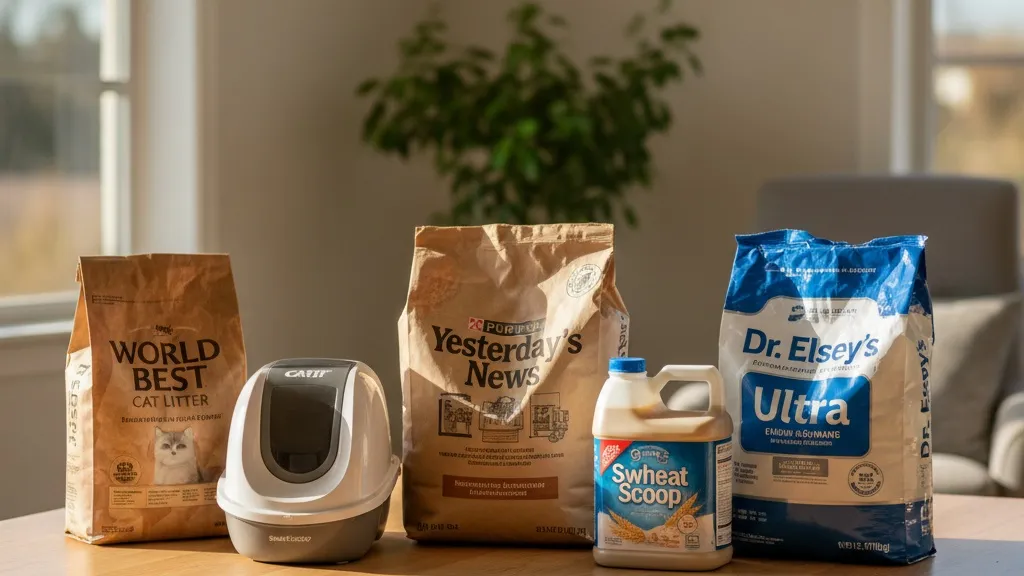
The best cat litter for most cat owners is a clumping clay litter for odor control and easy maintenance. For dust-free households, consider a natural wheat or corn litter. For multi-cat homes, choose a heavy-duty clumping formula. The top choices for 2026 include World Best Cat Litter for natural clumping, Catit for low-dust performance, and Dr. Elsey’s for multi-cat households.
Understanding Cat Litter Types
Choosing the right cat litter can feel overwhelming with so many options available. Understanding the fundamental differences between litter types helps you make an informed decision that works for both you and your cat.
Clumping litter is the most popular choice among cat owners. When your cat urinates, the litter forms a solid clump that you can scoop out, leaving the rest of the box clean. This makes daily maintenance straightforward and helps the box stay fresher longer. Most clumping litters are made from bentonite clay, which has excellent absorbency and clumping properties.
Non-clumping litter absorbs moisture but does not form solid clumps. Instead, the liquid soaks into the litter and the box must be completely emptied and refilled periodically. While this requires more thorough cleaning, some cat parents prefer non-clumping litter for its lower cost and the way it handles solid waste.
Traditional clay litter is made from sodium bentonite clay, a type of clay that absorbs liquids very effectively. Clay litter is typically inexpensive and widely available. However, clay litter can be dusty, and most clay litter is not biodegradable since it comes from strip mining.
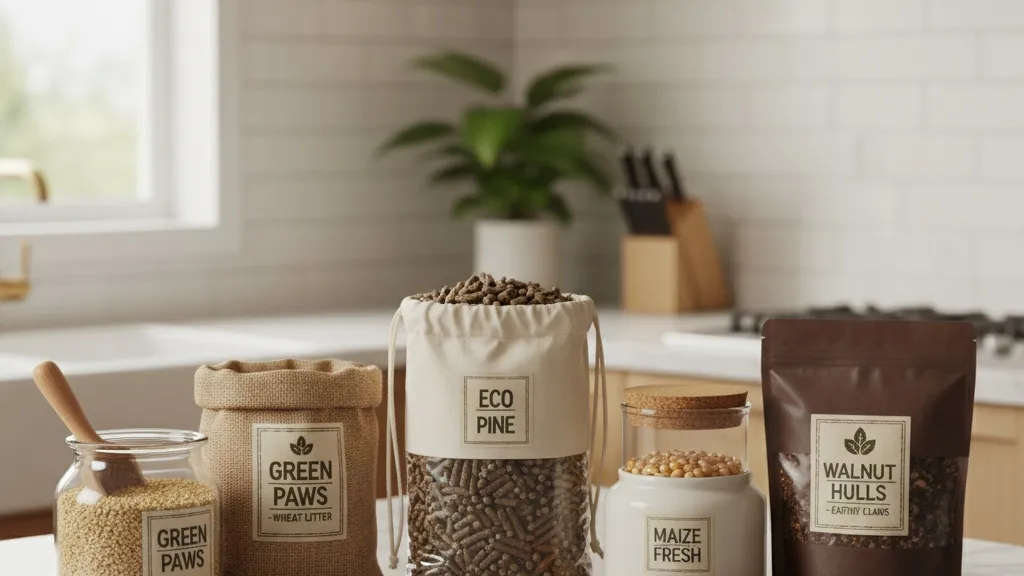
Natural litters are made from plant-based materials such as wheat, corn, pine, walnut shells, or paper. These options appeal to environmentally conscious cat parents because they are biodegradable and often flushable. Natural litters may have different odor control properties than clay litter and some cats prefer their texture.
Silica gel litter consists of small beads that absorb moisture and odor. The beads last longer than traditional litter before needing replacement, making them economical despite the higher initial cost. Silica litter is virtually dust-free and tracks less than clay litter. However, some cats dislike the texture of the beads.
Clumping vs Non-Clumping Litter
The choice between clumping and non-clumping litter affects your daily routine and long-term costs. Both types have distinct advantages that suit different lifestyles.
Clumping litter advantages include easier daily maintenance. You simply scoop out the solid clumps and urine spots each day, adding a small amount of fresh litter as needed. The box stays relatively clean, and odor is controlled more effectively because waste is removed promptly. A well-maintained clumping litter box can go two to three weeks before requiring a complete change.
Clumping litter disadvantages include higher upfront costs compared to non-clumping options. Some clumping litters produce dust that can be problematic for cats and humans with respiratory sensitivities. Additionally, some veterinarians express concern about cats ingesting clumping litter if they groom themselves after using the box, though this is rarely a problem with normal use.
Non-clumping litter advantages include lower cost and the way solid waste sits on top of the litter rather than being broken down. Some cat parents find that solid waste is easier to remove from non-clumping litter before emptying the entire box. Non-clumping litter can be a good choice for kittens under three months who might accidentally ingest clumping litter.
Non-clumping litter disadvantages include the need to completely empty and clean the box more frequently, typically once a week or more depending on the number of cats. Without daily clump removal, odor builds up more quickly. The litter box requires more thorough cleaning during changes, including scrubbing the empty box.
| Feature | Clumping Litter | Non-Clumping Litter |
|---|---|---|
| Daily maintenance | Scoop clumps | Spot clean solids |
| Box change frequency | Every 2-3 weeks | Weekly |
| Odor control | Excellent | Moderate |
| Upfront cost | Moderate to high | Low |
| Dust levels | Varies | Varies |
| Biodegradable | Usually no | Usually no |
Natural Litter Options
Natural cat litters have gained popularity among environmentally conscious cat parents. These litters are made from renewable materials and often biodegrade more quickly than traditional clay litter.
Wheat litter is made from wheat gluten and wheat byproducts. It clumps reasonably well and offers natural odor control through enzymes that break down odor-causing bacteria. Wheat litter is typically low in dust and tracking. However, some cats may be sensitive to wheat ingredients, and the clumping action may not be as strong as clay litter.
Corn litter is made from corn kernels or corn cob byproducts. It offers good clumping ability and is generally affordable among natural options. Corn litter is biodegradable and can often be flushed in small quantities. However, there have been some concerns about potential salmonella contamination in corn-based products, though reputable brands handle this through processing.
Pine litter comes in both pellet and shredded forms. Pellet pine litter breaks down when wet, while shredded pine provides clumping action. Pine has natural deodorizing properties and is a renewable resource. Some cats prefer the texture of shredded pine over pellets.
Walnut shell litter is made from ground walnut shells. This option provides excellent odor control and good clumping. Walnut shell litter is heavy, which helps reduce tracking. However, it is not suitable for cats with nut allergies.
Paper litter is typically made from recycled paper products. This option is highly absorbent and virtually dust-free, making it ideal for cats with respiratory issues. Paper litter does not clump well and must be completely changed more frequently.
Silica Gel Litter
Silica gel litter represents a different approach to cat box maintenance. Instead of absorbing moisture like clay, silica gel beads actually pull moisture from the air and your cat’s waste, trapping it within the bead structure.
How silica gel litter works involves tiny beads made from sodium silicate, a form of sand. These beads have microscopic pores that absorb moisture and odors. When your cat uses the box, the beads immediately begin absorbing moisture from the waste. The beads change color as they become saturated, giving you a visual indicator of when to change the litter.
Advantages of silica litter include exceptional odor control that can last for weeks. The beads produce virtually no dust and track minimally because they are heavier than clay particles. One box of silica litter can last a month or more with a single cat, making it convenient for busy cat parents.
Disadvantages of silica litter include the higher initial cost per box. Some cats dislike the texture of the beads, which can feel different under their paws. The beads do not clump, so waste must be scooped out and the beads stirred to distribute the moisture evenly.
Top Cat Litter Recommendations
1. World Best Cat Litter
World Best Cat Litter is a popular natural option that delivers strong clumping performance from plant-based materials. Made from whole kernel corn, this litter forms solid clumps that make daily scooping straightforward and efficient.
The natural corn formula provides excellent odor control without added perfumes or chemicals. Cat parents appreciate that the litter is flushable in small quantities, making box changes less messy. The lightweight formula means the bag is easier to carry than equivalent volumes of clay litter.
What sets World Best Cat Litter apart is its clumping ability compared to other natural litters. The clumps hold together well during scooping, reducing the amount of litter lost with each cleanout. This makes the litter more economical over time despite the higher upfront cost.
The dust levels are minimal, making this a good choice for cat parents or cats with respiratory sensitivities. The tracking is moderate, similar to other fine-grain litters.
2. Catit SmartScoop
Catit SmartScoop is a clumping clay litter with impressive dust reduction technology. This litter features a low-dust formula that keeps the area around the litter box cleaner and reduces respiratory irritation for sensitive cats and humans.
The fine-grain formula forms tight, solid clumps that do not break apart during scooping. The clumps stay intact even when left in the box for a day or two, making daily maintenance more forgiving. Odor control is strong, particularly for a non-perfumed clay litter.
Catit SmartScoop is moderately priced, falling between budget clay litters and premium options. The bag size options are convenient, with smaller bags available for trial purposes or single-cat households. The litter pours smoothly without clumping in the bag.
This litter works well in automatic litter boxes due to its consistent particle size and low-dust properties. The clumping action is reliable in both single and multi-cat households.
3. Purina Yesterday’s News
Purina Yesterday’s News is a paper-based cat litter that offers a unique alternative to traditional litter. Made from recycled paper, this litter provides excellent absorbency and is virtually dust-free.
The pellet form of Yesterday’s News does not produce the fine dust associated with clay litter. This makes it ideal for cats with allergies or respiratory sensitivities. The litter is also recommended for post-surgical recovery periods when dust should be minimized.
Odor control in Yesterday’s News is accomplished through the paper’s natural absorbency rather than added perfumes. The litter absorbs liquid quickly and controls odor reasonably well for a non-clumping litter. Complete box changes are needed more frequently than with clumping litter.
This litter is particularly good for kittens and young cats because there is no risk of intestinal blockage if ingested. The larger pellet size is also more noticeable underfoot for cats who might otherwise avoid the litter box.
4. Swheat Scoop
Swheat Scoop is a wheat-based cat litter that combines natural ingredients with effective performance. This litter uses wheat enzymes to naturally control odor, providing a fresh-smelling litter box without artificial fragrances.
The clumping action of Swheat Scoop is impressive for a wheat-based product. The clumps hold their shape well during scooping and do not crumble easily. The litter is lightweight, making bag changes manageable for cat parents of all ages.
Swheat Scoop is biodegradable and can be composted in some municipalities. The litter is flushable in small quantities, though some plumbing systems may not handle it well. Cat parents appreciate the sustainable aspect of this litter.
One consideration is that wheat litter may not be suitable for cats with wheat allergies or sensitivities. The natural ingredients also mean that the litter can attract insects if left in the box too long between complete changes.
5. Dr. Elsey’s Ultra
Dr. Elsey’s Ultra is a premium clumping litter designed for demanding multi-cat households. This heavy-duty formula prioritizes odor control and clump integrity even under heavy use.
What sets Dr. Elsey’s Ultra apart is its exceptional clumping ability. The litter forms rock-hard clumps that never break apart, even after days in the box. This makes the litter extremely economical because you remove only what you scoop with minimal litter loss.
The dust levels are minimal, despite the fine-grain texture. The litter tracks less than many competing formulas, keeping your floors cleaner. Multiple cats can use the same box without the odor becoming overwhelming.
Dr. Elsey’s Ultra is priced at a premium level but delivers premium performance. For cat parents dealing with odor issues or managing multiple cats, this litter is worth the investment. The concentrated formula means you use less per box compared to some other litters.
6. Fresh Step Clumping Litter
Fresh Step is a well-known brand that offers effective clumping performance with added fragrance. This litter uses activated charcoal to help neutralize odors rather than just masking them with perfume.
The clumping action is reliable and the clumps hold together well during scooping. Fresh Step is widely available in most pet stores and supermarkets, making it convenient to purchase. Multiple scent options allow you to choose a fragrance level that suits your preferences.
Fresh Step produces some dust, though the levels are reasonable for a traditional clay litter. The tracking is similar to other fine-grain litters. The litter works well in both single and multi-cat households.
The added fragrance may be overpowering for some cat parents or offensive to cats who are sensitive to strong scents. An unscented version is available for those who prefer fragrance-free options.
7. ökocat Natural Paper Litter
ökocat is a natural litter option made from reclaimed paper fibers. This litter provides excellent absorbency and is completely dust-free, making it ideal for cats and humans with respiratory sensitivities.
The paper fibers create a soft texture that many cats find comfortable under their paws. This can be particularly helpful for cats who are sensitive to the texture of clay or silica litters. Kittens and senior cats often adapt well to paper litter.
ökocat does not clump, so the box requires complete changes more frequently than with clumping litter. However, the absorbency is exceptional, and odor control is good for a non-clumping formula. The litter is biodegradable and compostable.
The tracking is minimal because the paper fibers are larger and heavier than clay particles. The litter is available in both scented and unscented versions.
How to Choose the Right Litter
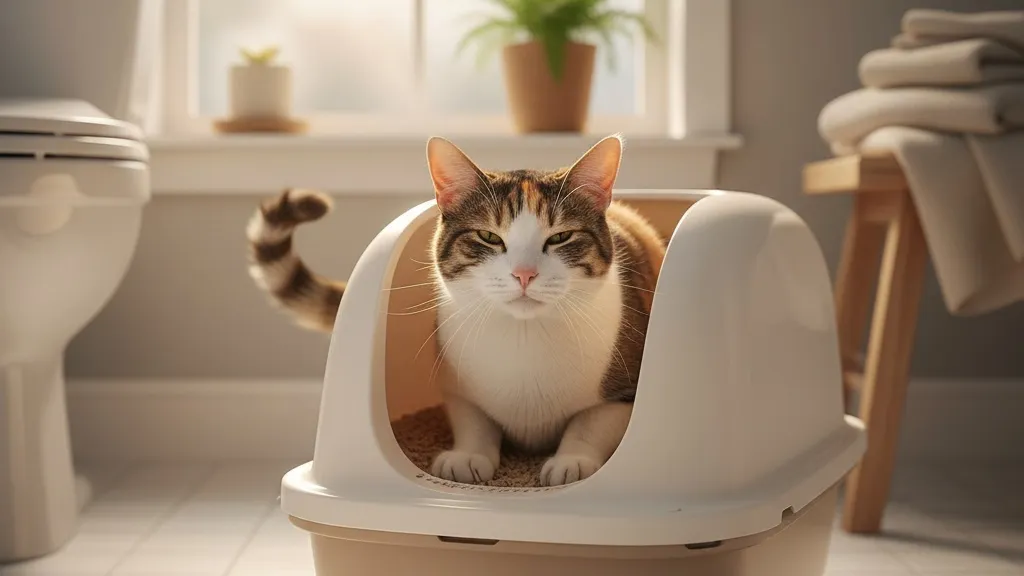
Selecting the best litter for your household involves balancing several factors including your cat’s preferences, your maintenance style, and your budget. Taking time to evaluate your needs helps you make a choice that works well long-term.
Consider your cat’s preferences first. Cats have individual preferences for litter texture, scent, and feel under their paws. If your cat suddenly avoids the litter box, the litter itself might be the problem. When introducing a new litter, do so gradually by mixing it with the old litter over a week or two.
Think about your maintenance routine. If you scoop daily, clumping litter allows you to keep the box fresh with minimal effort. If you prefer to do complete box changes less frequently, a high-capacity litter like silica might suit you better. If you travel often or have a busy schedule, longer-lasting options reduce the risk of odor problems while you are away.
Account for your household composition. Multi-cat households need litter that handles heavy use without odor issues. Consider the number of boxes you have and whether you need premium clumping power. Cat allergies in your household might point toward low-dust or natural options.
Factor in your budget over time. Initial litter costs are only part of the equation. A more expensive litter that lasts longer may be more economical than a cheap litter that needs frequent replacement. Factor in how often you need to completely change the box and how much litter you use with each fill.
Dust and Tracking Considerations
Dust and tracking are practical concerns that affect your daily life when you have a cat. Understanding how different litters perform in these areas helps you choose a litter that keeps your home cleaner.
Dust levels vary significantly between litter types. Clay litters generally produce the most dust, though premium brands have reduced dust through processing. Natural litters like paper and pine produce minimal dust. Silica litter is virtually dust-free.
Tracking happens when litter sticks to your cat’s paws and gets carried around your home. Heavier litter particles track less than fine, light particles. Pellet-form litters tend to track less than fine-grain litters. Some litters include tracking reducers on the box edges to catch litter before it leaves the box.
Low-dust options are important for cats and humans with respiratory sensitivities. If you or your cat sneeze near the litter box, consider switching to a low-dust formula. Dust can also aggravate allergies and affect the air quality in small apartments.
Litter Box Setup Tips
Even the best litter cannot perform well in a poorly maintained box. Proper litter box setup maximizes the effectiveness of whatever litter you choose.
Fill the box correctly. Most litters should be filled to about three to four inches deep. Too little litter means more frequent scooping and potential odor issues. Too much litter wastes product and may cause your cat to kick litter out of the box.
Position the box properly. Place the litter box in a quiet, accessible location away from your cat’s food and water. Cats prefer privacy when using the box but also want to feel safe. Avoid placing boxes in high-traffic areas or corners where your cat might feel trapped.
Maintain a regular cleaning schedule. Even with excellent litter, the box needs regular attention. Scoop clumping litter daily and completely change the litter and clean the box every two to three weeks. Wash the empty box with mild soap and water, avoiding harsh chemicals that might leave residues.
Have enough boxes. The general guideline is one box per cat plus one extra. Multiple boxes reduce territorial issues in multi-cat households and ensure that no cat has to wait too long to find a clean box.
Frequently Asked Questions
How often should I completely change the cat litter?
For clumping litter, completely empty and refill the box every two to three weeks. For non-clumping litter, do this weekly or more frequently. The number of cats and the humidity in your home affect how quickly odor builds up. If you notice odor before these timeframes, change the litter earlier.
Can I flush cat litter?
Some natural litters are flushable, but clay litter should never be flushed. Even flushable litters can cause plumbing issues in some municipalities. Check your local regulations and consider the environmental impact before flushing any litter.
Why does my cat kick litter out of the box?
Kicking litter out often indicates that the box is too small or that your cat dislikes the litter texture. Try a larger box or a different litter type. Some cats kick litter around before or after using the box, which is normal behavior.
What litter works best for kittens?
Kittens under three months should use non-clumping litter or paper litter to avoid the risk of intestinal blockage if they ingest litter while grooming. Once kittens are older and past the curious eating phase, they can transition to clumping litter.
How do I transition to a new litter?
Mix the new litter with the old litter over a period of seven to ten days, gradually increasing the proportion of new litter. This gives your cat time to adjust to the new texture and scent. Watch for any changes in litter box usage that might indicate your cat is unhappy with the transition.