Why Do Cats Chirp at Birds? Understanding This Quirky Cat Behavior
Discover why your cat chirps, chatters, and makes unusual sounds while watching birds. Learn about the hunting instincts and emotional responses behind this adorable cat behavior.
Why Do Cats Chirp at Birds? Understanding This Quirky Cat Behavior
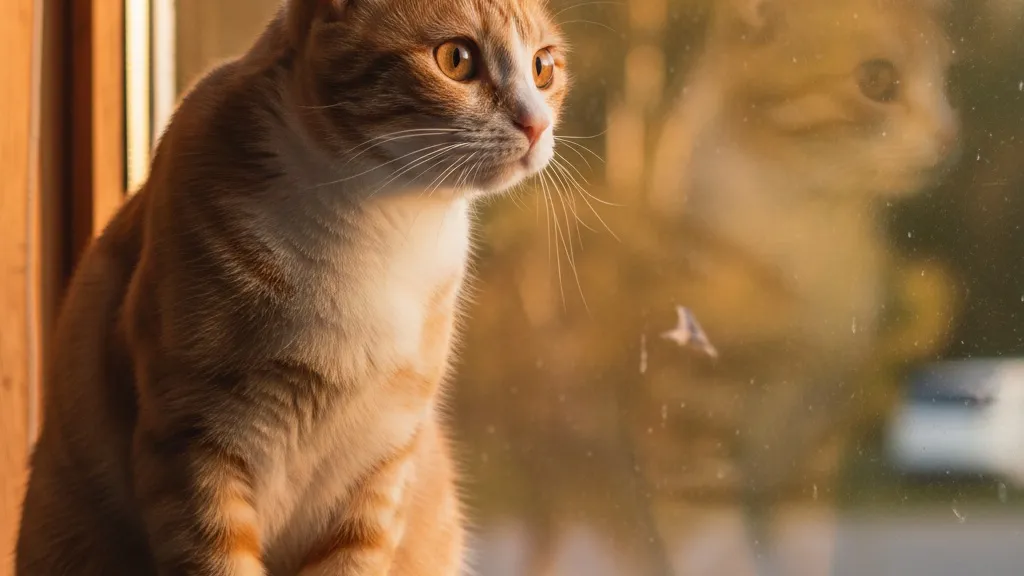
There is nothing quite like the entertainment value of watching your cat perch at a window, tail twitching, eyes fixed on a bird just inches away on the other side of the glass. Your cat lets out a rapid series of chirps and chatters, almost like a tiny robot bird, and you find yourself wondering what on earth is going on in that furry little head.
This behavior, called chattering or chirping, is one of the most endearing and puzzling things cats do. If you have ever witnessed it, you are probably curious about what it means and whether it is something to be concerned about. The good news is that cat chirping at birds is completely normal and stems from natural feline instincts. Let us dive into the fascinating reasons behind this quirky behavior.
The Quick Answer
Cats chirp and chatter at birds because of a powerful combination of hunting instinct and frustrated excitement. That rapid jaw movement you see mimics the killing bite cats use on prey in the wild, even though your cat may be safely separated from the bird by glass. The behavior also expresses your cat is highly stimulated and emotionally engaged with potential prey they cannot actually reach.
The Hunting Instinct Behind Chirping
Prey Drive and What It Means
At the heart of your cat chirping at birds is something called prey drive. This is an instinctive behavioral sequence that cats (and all predators) are born with: search for prey, stalk, chase, catch, kill, and eat. Even though your indoor cat has never hunted a day in their life, these instincts are hardwired into their brain and emerge whenever they spot something that triggers their predatory response.
Birds are near-perfect prey stimuli for cats. They are small, they move quickly and erratically, they make noise, and they are often just out of reach. This combination sends your cat is sensory system into overdrive.
The Killing Bite Motion
One of the most fascinating aspects of cat chirping is the jaw movement that accompanies it. If you watch closely, you will notice your cat rapidly opens and closes their mouth in a chattering motion, often while making that characteristic chirping sound.
This exact motion is the same bite pattern cats use to deliver a fatal bite to prey. When a cat catches a mouse or bird, they bite down on the neck or skull to sever the spinal cord. The rapid opening and closing of the jaw during chirping mimics this killing bite, even though there is nothing to bite down on. It is almost as if your cat is practicing the motion in frustration.
This behavior is sometimes called a “phantom bite” or “pre-bite chattering,” and animal behaviorists believe it represents a kind of mental rehearsal for the hunting sequence.
Why Indoor Cats Exhibit This More
Here is an interesting observation: indoor cats tend to chirp at birds more than outdoor cats do. The reason is simple but a little sad when you think about it. Indoor cats are constantly confronted with prey they can see but cannot reach. A bird sitting safely on the other side of a window represents ultimate frustration for a natural hunter.
Outdoor cats have the opportunity to actually hunt and catch prey when the mood strikes them. While this satisfies their hunting instincts in the moment, it also means they are less emotionally invested in any single potential prey item. An indoor cat, on the other hand, may watch the same bird for minutes or even hours, building up frustration and excitement that eventually overflows as chirping and chattering.
This is one reason why animal behaviorists often recommend increased play and environmental enrichment for indoor cats. If your cat is chirping frequently, it may be a sign they need more outlets for their hunting instincts.
Emotional Components of Bird-Watching
Excitement Versus Frustration
When your cat chirps at a bird, they are experiencing a complex mix of emotions that probably feels familiar to any cat owner who has watched their pet absolutely lose their mind over a piece of prey.
On one hand, there is pure predatory excitement. Your cat is stimulating their hunting instincts and experiencing the thrill of the chase, even if it is only a mental chase. This excitement releases adrenaline and dopamine, making your cat feel alert, energized, and intensely focused.
On the other hand, there is frustration. Your cat knows the bird is there, they can see it moving, and every instinct is telling them to pounce. But the glass is in the way. This frustration can manifest as increased vocalization, more intense chirping, and even some of that characteristic tail-twitching that signals a cat is becoming overstimulated.
The Role of the Chatter Call in the Wild
In the wild, cats use various vocalizations to communicate with other cats and to aid in hunting. The chirping or chattering sound is thought to serve a few different purposes.
Some animal behaviorists believe it is a self-directed communication, essentially your cat talking to themselves about the prey they are observing. Others suggest it may attract the attention of other cats or act as a social signal to any other cats nearby that prey has been spotted.
There is also a theory that the chattering sound may actually mimic the sound of certain birds or rodents, potentially luring curious prey closer. While this has not been definitively proven, it is an intriguing possibility that adds another layer to this fascinating behavior.
Why Some Cats Are More Vocal Than Others
Just like people, cats have individual personalities that influence their behavior. Some cats are natural chatterboxes, chirping and vocalizing frequently when they spot prey. Others are more stoic, exhibiting the same hunting posture and intense focus but without the accompanying sounds.
This variation is perfectly normal and does not indicate anything wrong with your cat. Some of it is breed-related, with certain breeds (particularly those with Siamese ancestry) being more vocal overall. Some of it is personality. And some of it depends on the individual cat’s hunting experience and how frustrated they are by the glass barrier between them and their prey.
Indoor Cats Versus Outdoor Cats
Glass Barrier Frustration
For indoor cats, the window is both a window into an exciting world and a frustrating barrier. Many indoor cats develop favorite perching spots where they can watch birds, squirrels, and other wildlife. These spots become their personal nature television, and the chirping behavior is their reaction to the show.
Some behaviorists believe that providing outdoor enclosures or “catios” can help satisfy your cat’s hunting instincts while keeping them safe indoors. These structures allow cats to experience the outdoors, smell the fresh air, and even sometimes catch bugs, all without the dangers of free-roaming.
Is This Behavior a Sign My Indoor Cat Needs More Stimulation?
If your cat chirps frequently and intensely at birds or other prey animals, it may be worth evaluating their daily enrichment and play routines. Cats need mental and physical stimulation to stay happy and healthy, and insufficient stimulation can lead to behavioral issues beyond just chirping.
Consider increasing interactive play sessions with wand toys, puzzle feeders that simulate hunting and eating, window perches with a good view, and rotating toys to keep things interesting. Some cats also benefit from bird feeders placed outside windows (safely out of reach, of course) that provide hours of entertainment.
Environmental Enrichment to Satisfy Hunting Instincts
Environmental enrichment is a fancy term for making your cat’s environment more interesting and engaging. For cats with strong hunting instincts, enrichment can include:
Food puzzles and feeders: Instead of a simple food bowl, use puzzle feeders that require your cat to “hunt” for their meals. These mimic the experience of catching prey and can significantly reduce boredom and frustration.
Interactive play sessions: Set aside time each day for interactive play with wand toys, laser pointers (though always end with a physical toy they can catch to avoid frustration), and other chase toys. Mimic the movements of prey to really get your cat’s hunting instincts firing.
Vertical space: Cats feel more secure when they have high perching spots. Cat trees, shelving, and window perches give your cat elevated vantage points that satisfy their natural desire to survey their territory.
Cat TV: Yes, there are actual videos designed for cats to watch, featuring birds, fish, rodents, and other prey animals. Some cats become completely absorbed in these videos, which can provide mental stimulation when you are away or too busy to play.
When Chirping Might Signal Something Else
Distinguishing Normal Chirping from Respiratory Issues
In most cases, cat chirping is a behavioral issue rather than a medical one. However, it is worth knowing that some respiratory issues can cause sounds that might be mistaken for chirping.
If your cat is making unusual sounds, pay attention to the context. Normal chirping at birds is accompanied by the characteristic jaw chattering and intense prey focus. If your cat is making sounds while asleep, or if the sounds are accompanied by other symptoms like sneezing, nasal discharge, or difficulty breathing, it is worth a trip to the vet to rule out any medical issues.
Other Sounds Cats Make and Their Meanings
Cats have an impressive vocal repertoire, and chirping is just one of many sounds you might hear from your feline friend. Here is a quick guide to some other common cat sounds:
Purring: Typically indicates contentment, but cats also purr when stressed or in pain as a self-soothing mechanism.
Meowing: Adult cats primarily meow to communicate with humans. The meaning depends on pitch, duration, and context.
Hissing: A defensive sound that signals fear, aggression, or feeling threatened.
Chirping: As we have discussed, usually indicates prey drive and frustration.
Yowling: A long, drawn-out meow that can indicate distress, mating behavior, or cognitive dysfunction in older cats.
When to Consult a Vet
While chirping at birds is normal, you should consult your veterinarian if your cat displays any of the following symptoms alongside their chirping:
- Excessive vocalization that is out of character
- Signs of respiratory distress (open-mouth breathing, wheezing, coughing)
- Changes in appetite or water intake
- Lethargy or decreased activity
- Vomiting or diarrhea
- Any other behavioral changes that concern you
Regular veterinary checkups are important for all cats, but especially for senior cats or breeds prone to certain health conditions.
Signs Your Cat Has a Healthy Prey Drive
A healthy prey drive is a sign of a mentally engaged cat. Here are some indicators that your cat’s hunting instincts are being adequately satisfied:
- Your cat shows interest in toys, especially moving or interactive ones
- Your cat engages in play sessions willingly and with enthusiasm
- Your cat exhibits the chirping behavior occasionally but does not seem overly frustrated or obsessive about prey
- Your cat maintains a healthy weight and activity level
- Your cat is curious about their environment and engages with enrichment activities
If your cat seems bored, lethargic, or overly obsessive about watching prey animals, consider increasing their enrichment and play time.
Frequently Asked Questions
Why do cats make chirping noises at birds?
Cats chirp at birds due to a combination of hunting instinct and frustrated excitement. The rapid jaw chattering mimics the killing bite cats use on prey, and the vocalization indicates high emotional arousal and stimulation.
Is cat chirping normal behavior?
Yes, chirping at birds and other prey animals is completely normal behavior for cats. It stems from natural hunting instincts and is more common in indoor cats who cannot reach the prey they are watching.
What does it mean when a cat chatters at birds?
When a cat chatters at birds, they are expressing intense prey drive and frustration at being unable to reach the bird. The chattering motion mimics the killing bite cats use when hunting, and the behavior indicates your cat is highly stimulated.
Do cats chirp when they are happy?
Cats do not necessarily chirp when they are happy in the general sense. Chirping is specifically associated with prey drive and frustration. However, a cat who is chirping at birds is mentally engaged and experiencing something interesting, which can be a form of entertainment.
Why do cats watch birds but not catch them?
In most cases, cats watch birds but cannot catch them because of a barrier like a window, screen, or wall. Even outdoor cats may watch birds from a distance without actively hunting. Chirping represents the frustration of wanting to chase but being prevented from doing so.
How can I reduce my cat’s frustration when they chirp at birds?
Increasing environmental enrichment can help reduce prey-drive frustration. Provide interactive play sessions, puzzle feeders, window perches, and rotating toys. Some cats also benefit from supervised outdoor time in a catio or on a leash and harness.
Related Articles
- Why Does My Cat Knead? Understanding This Cozy Behavior
- Why Do Cats Purr? The Science Behind Cat Purring
- Understanding Cat Zoomies: Why Your Cat Gets Midnight Energy Bursts
- Best Interactive Cat Toys for Indoor Cats
- Best Cat Trees and Scratching Posts
The next time your cat chirps at a bird outside your window, you can appreciate the behavior for what it is: a window into your cat is wild, predatory soul. Those instincts that have been with cats for thousands of years are still very much alive in your domesticated companion, even if they have never needed to use them for actual hunting. By understanding and enriching your cat is natural behaviors, you can help satisfy those instincts and keep your feline friend happy, engaged, and entertained.