Why Does My Cat Knead? Understanding This Quirky Cat Behavior
If your cat kneads you with their paws, you are not alone. Learn why cats knead, what it means, and when this adorable behavior might signal something to watch for.
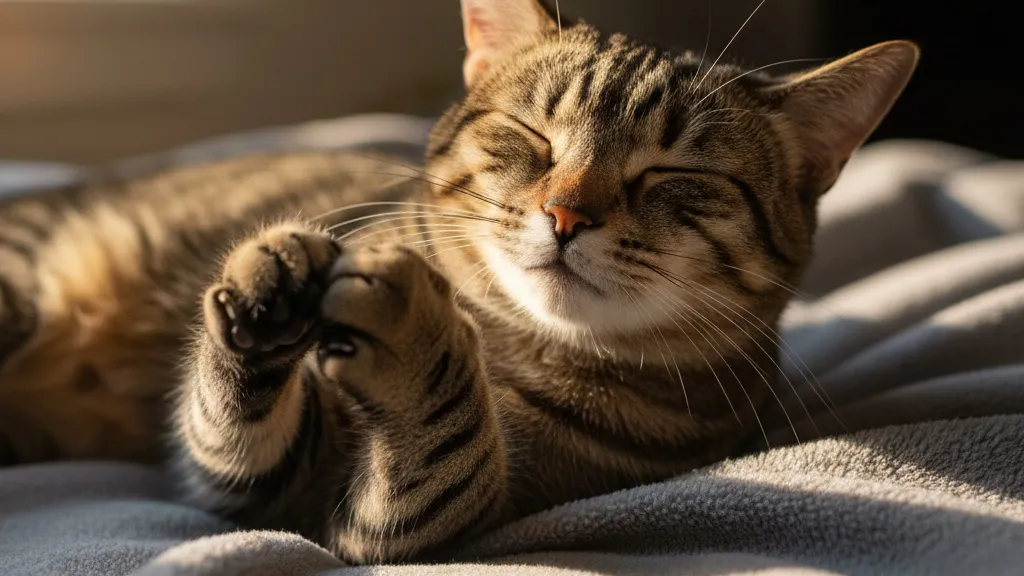
Why Does My Cat Knead? Understanding This Quirky Cat Behavior
Quick Answer
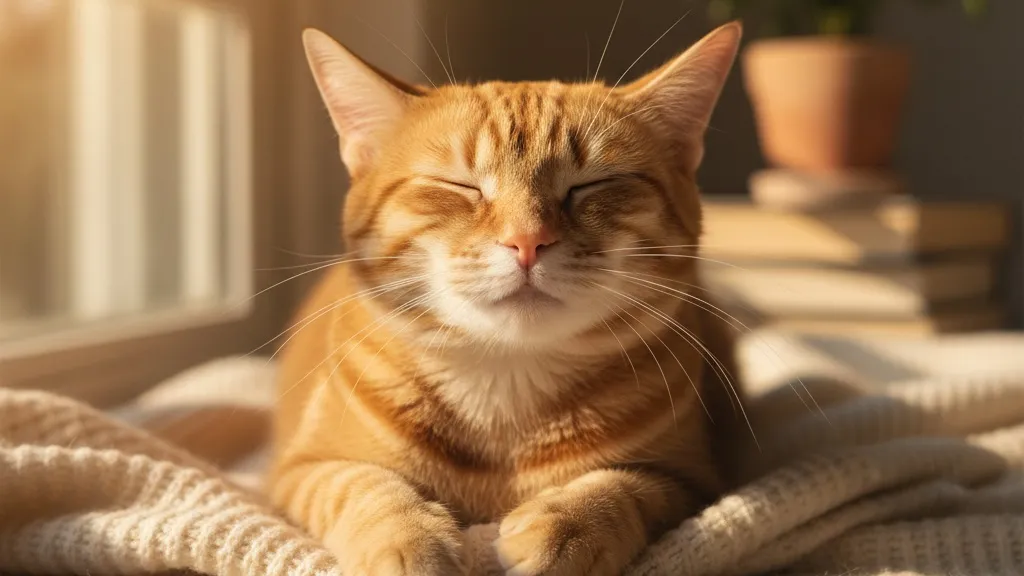
Cats knead because it is a comforting behavior that stems from kittenhood. When kittens nurse, they knead their mother’s belly to stimulate milk flow. Adult cats continue this behavior when they feel relaxed, safe, and content, often while purring on your lap or a soft surface. It is essentially a sign of feline happiness and trust.
The Origins of Kneading
Kneading is one of the most recognizable yet puzzling cat behaviors. You have probably seen it: your cat presses one paw, then the other, in a rhythmic motion against a soft surface. Sometimes they switch between paws. Sometimes they do it with their claws extended, sometimes without. Some cats purr loudly while kneading. Others do it in silence.
To understand why cats knead, you need to go back to the beginning of a cat’s life. Kittens are born blind and completely dependent on their mother for nourishment. In the first weeks of life, a kitten kneads against their mother’s belly while nursing. This pressing motion stimulates the mother cat’s milk glands, helping milk flow more freely. It is a vital survival instinct that ensures kittens got the nutrition they needed to grow.
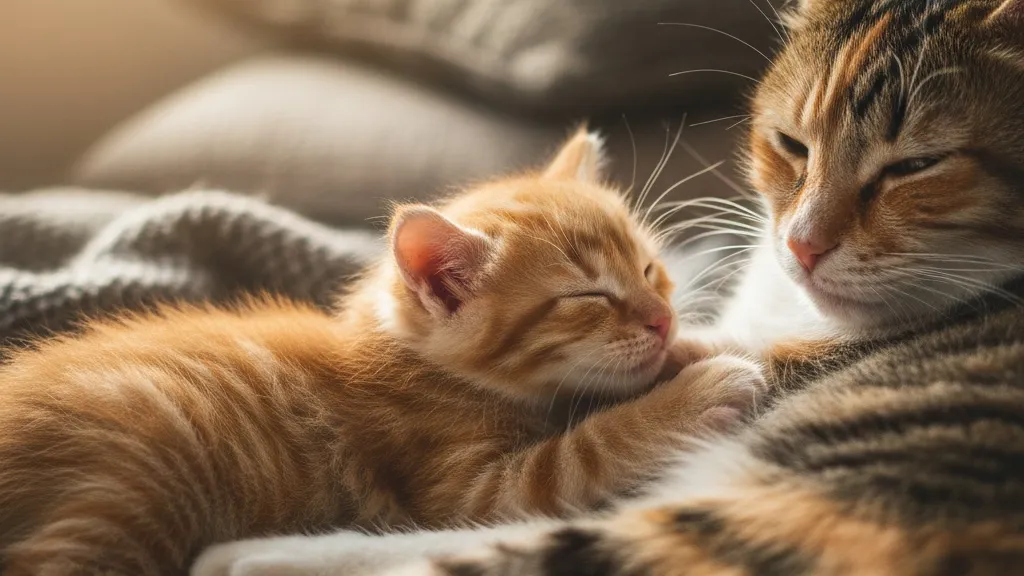
Most kittens are weaned by six to eight weeks of age. By that time, the behavior has become deeply ingrained as a source of comfort and security. Even after kittens stop nursing, the connection between kneading and feelings of warmth, safety, and contentment remains hardwired into their brains.
What Kneading Means in Adult Cats
When your adult cat kneads you, they are essentially telling you that you make them feel safe and loved. It is one of the highest compliments a cat can give. Think of it as your cat treating you like their mother, or at least like a trusted caregiver.
Here are the most common reasons your cat might knead:
Comfort and Relaxation
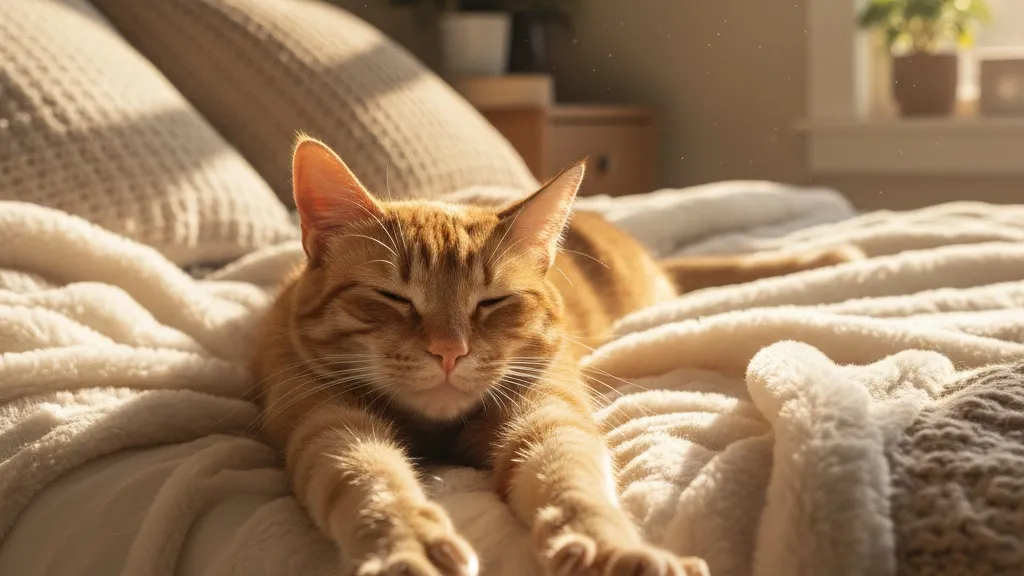
Kneading often happens when your cat is settling down for a nap or curling up in a cozy spot. The rhythmic motion seems to help cats relax, almost like how some people twirl their hair or tap their feet when they are at ease. If your cat kneads before falling asleep, it is simply their way of creating a comfortable resting space.
Affection and Bonding
When a cat kneads on your lap, they are showing you affection. The behavior releases pheromones from glands in their paws, marking you as part of their territory in a positive, loving way. Your cat is claiming you as their own in the gentlest way possible. Siamese cats are known for being especially affectionate and may knead more frequently as part of their bonding behavior with their owners.
Nesting Instinct
In the wild, cats would knead tall grass or leaves to create a soft, warm nest to sleep in. Your house cat may still carry this instinct. That pile of blankets on your bed might look like the perfect nest to your cat, and they knead it to make it just right.
Stretching and Flexing
Cats have soft paws with powerful muscles in their legs and shoulders. Kneading provides a satisfying stretch for these muscles, similar to how we might stretch our arms or roll our shoulders after sitting for a long time.
Why Do Some Cats Knead with Their Claws Out?
Not all kneading is created equal. Some cats knead gently with their paws tucked under, barely using any pressure. Others seem determined to leave impressions in everything they touch, claws fully extended and pushing hard.
If your cat kneads with claws out, it is usually not a sign of aggression. More likely, your cat is just very relaxed and caught up in the moment. The claws come out because the muscles are fully relaxed. Some cats also knead more vigorously when they are especially excited or happy, like when you come home after a long day.
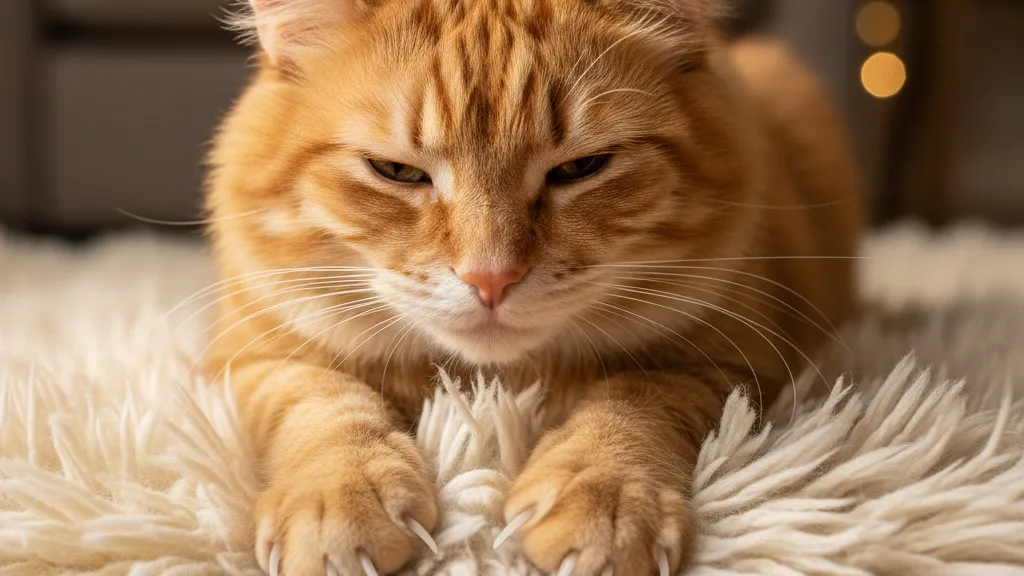
The key is to pay attention to the rest of your cat’s body language. A cat who is kneading with claws out but has relaxed ears, slow-blinking eyes, and a gentle purr is in a state of bliss. They are not trying to hurt you, even if their claws catch on your skin or your favorite blanket.
When to Pay Attention
Kneading is almost always a positive behavior, but there are a few situations where you might want to take note.
Excessive Kneading
If your cat suddenly starts kneading much more frequently or intensely than usual, it could indicate stress or anxiety. Cats sometimes engage in displacement behaviors when they are feeling uneasy. Sudden increases in kneading, especially if accompanied by other changes like hiding, decreased appetite, or excessive grooming, might warrant a check-in with your veterinarian.
Kneading Until Skin Breaks
Some cats get so enthusiastic about kneading that they hurt their humans. If your cat’s claws are causing scratches or skin tears, you have a few options. Keep your cat’s nails trimmed regularly. Place a thick blanket on your lap when you sit with your cat to create a buffer. You can also gently redirect your cat to knead on a nearby pillow instead.
Limping or Paw Sensitivity
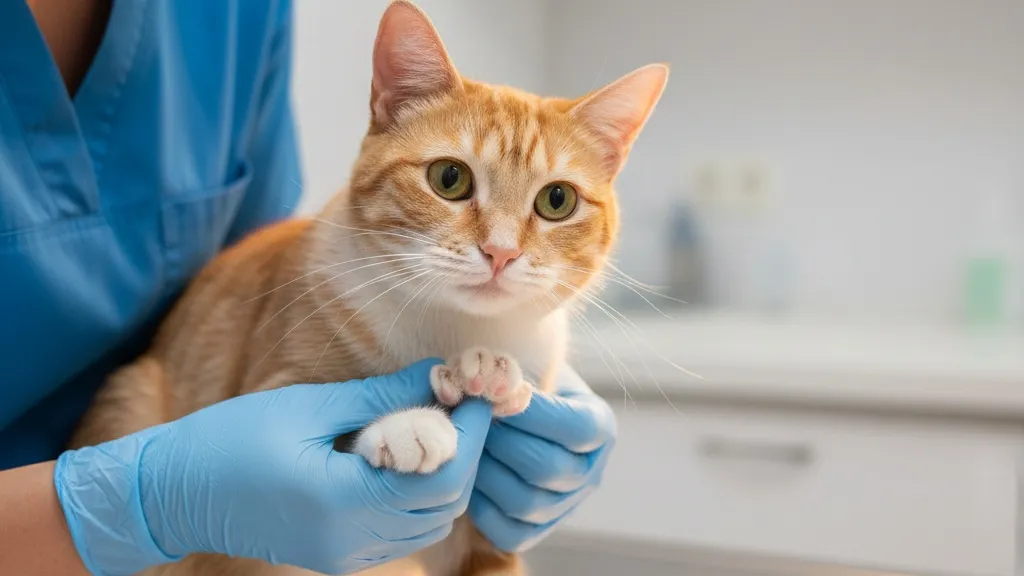
If your cat resists being touched on their paws or shows any sign of limping while kneading, it is worth having a vet look at their paws. Injuries, arthritis, or foreign objects embedded in the paw pads can make kneading painful. Persian cats are particularly prone to joint issues that can affect their mobility and comfort during kneading.
Variations in Kneading Behavior
Not all cats knead the same way, and that is completely normal.
The One-Paw Wonder
Some cats only use one paw when they knead. This might just be your cat’s personal style, or it could indicate a preference for one paw over the other, much like humans being left-handed or right-handed.
The Silent Kneader
While many cats purr loudly while kneading, others do it quietly. A silent kneader is still a content cat. They simply express their happiness differently.
The High-Stepper
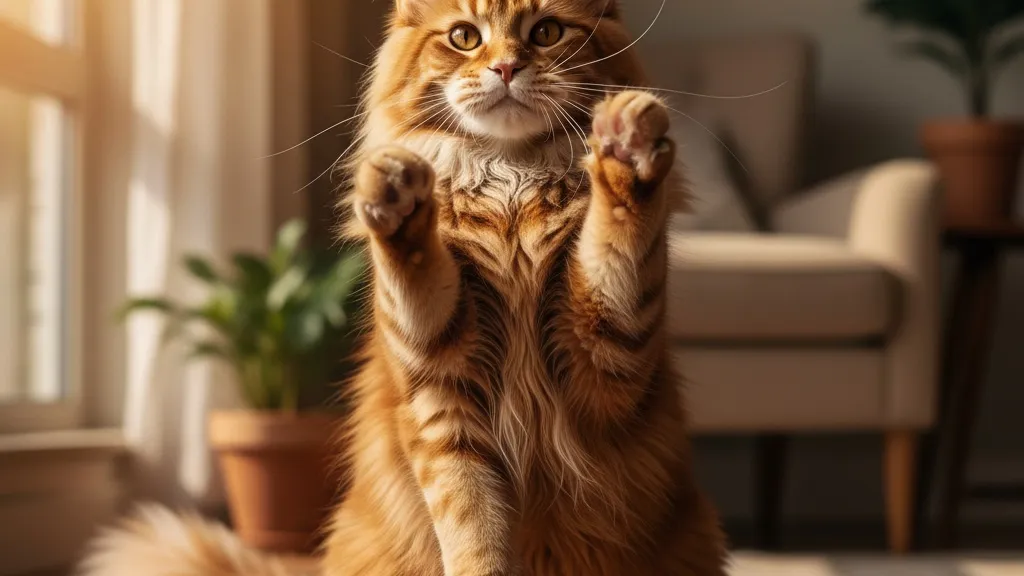
Some cats lift their paws high when they knead, almost like they are marching in place. This is particularly common in large breeds like Maine Coons, who may have a more dramatic kneading style simply because of their size. Ragdoll cats also tend to be enthusiastic kneaders, often going completely limp and relaxed while they work their paws against a soft surface.
The Switcher
Cats who alternate paws in a steady rhythm are doing what is sometimes called “milk treading.” This is the most kitten-like style and often indicates your cat is especially relaxed.
Encouraging Healthy Kneading
You do not need to stop your cat from kneading. It is a natural, healthy behavior that enriches your cat’s emotional life. Instead, work with it.
Keep your cat’s nails trimmed every two to three weeks. This reduces the risk of scratches without taking away your cat’s ability to express this instinctive behavior.
Provide soft surfaces for kneading. A dedicated cat bed or blanket that your cat loves can give them an appropriate outlet for kneading when you need a break from having your lap kneaded.
If your cat tends to knead your furniture or favorite items, try placing a piece of clothing with your scent on it in that spot. Your cat may be attracted to the texture and scent combined, and redirecting to a designated kneading spot can save your furniture.
Final Thoughts
Kneading is one of the many ways cats communicate their emotional state. When your cat kneads you, they are saying that you are a source of comfort and security. It is a behavior rooted in the earliest days of life, carried forward into adulthood as a sign of pure contentment.
The next time your cat climbs onto your lap and starts kneading, take it as the compliment it is. Your cat sees you as family, and they are expressing that in the most feline way they know how.
Related Articles
If you enjoyed learning about kneading, you might also like reading about why cats purr and understanding cat zoomies. These guides will help you decode more of your cat’s fascinating behaviors.
Frequently Asked Questions
Is it safe to let my cat knead my stomach while I am pregnant?
Generally, yes, but it depends on your comfort level. Some pregnant people find the pressure uncomfortable, especially late in pregnancy. If your cat’s claws are sharp, they could also leave scratches. Using a blanket as a buffer and keeping nails trimmed can help.
Why does my cat knead and then bite the blanket?
This is a normal combo move. Kneading relaxes your cat, and the subsequent gentle biting is often just your cat being playful or showing contentment. As long as it is not aggressive biting, it is perfectly normal feline behavior.
Should I stop my cat from kneading?
There is no reason to stop a cat from kneading. It is a healthy, instinctive behavior that signals your cat is happy and comfortable. Instead, manage the behavior by keeping nails trimmed and providing soft surfaces for kneading.
Why does my adult cat knead more than my kitten does?
Adult cats often knead more than kittens simply because they have more opportunities to settle into relaxed states. Kittens are usually more active and alert. As cats mature, they tend to become more settled and express contentment through behaviors like kneading and purring.