Best Cat Scratching Posts of 2026: Complete Reviews and Buying Guide
Find the perfect cat scratching post for your feline friend with our comprehensive guide. We review the best vertical and horizontal posts, cat trees, and space-saving options.
Affiliate Disclosure: This article contains affiliate links. We may earn a commission at no additional cost to you when you purchase through links on this page.
Quick Answer: Best Cat Scratching Posts
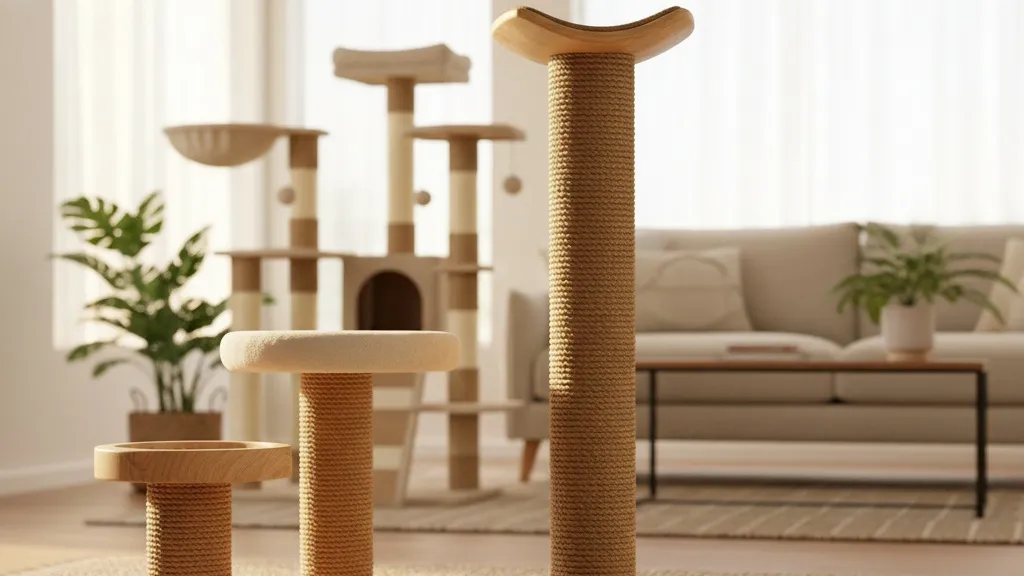
The best cat scratching post for most cats is a tall, stable sisal rope post that allows your cat to stretch fully. For apartments or small spaces, a cardboard scratcher or compact cat tree works well. If you have multiple cats or a large cat, choose a heavy-duty cat tree with multiple scratching surfaces. The top choices for 2026 include the Vesper Tall Cat Scratching Post for versatility, the Pioneer Cat scratching post for durability, and the Mu Mu goods Cardboard Scratching Pad for small spaces.
Why Cats Need Scratching Posts
Scratching is an essential behavior for cats that serves multiple important purposes. Understanding why your cat scratches helps you appreciate this behavior and select the right scratching post for your home.
Cats scratch to maintain healthy claws. The action removes the outer sheath of the claw, revealing a sharp new surface beneath. This is completely natural and necessary for claw health. Without appropriate scratching surfaces, claws can become overgrown, split, or cause discomfort.
Scratching also exercises the muscles in a cat’s legs, shoulders, and back. When cats scratch, they stretch their bodies fully, which feels good and keeps them physically fit. This stretching aspect is one reason cats often scratch first thing in the morning or after naps.
Territory marking is another reason cats scratch. Cats have scent glands in their paws, and scratching deposits their scent on surfaces. This marks their territory and makes them feel secure in their environment. Providing appropriate scratching surfaces helps satisfy this instinctual need without ruining your furniture.
Emotional expression through scratching is also common. Cats may scratch more when they are excited, anxious, or seeking attention. Providing a scratching post gives them an appropriate outlet for these emotions rather than redirecting them to inappropriate surfaces like your sofa.
Types of Cat Scratching Posts
Understanding the different types of scratching posts helps you choose the right option for your cat and your home. Each type has distinct advantages and potential drawbacks.
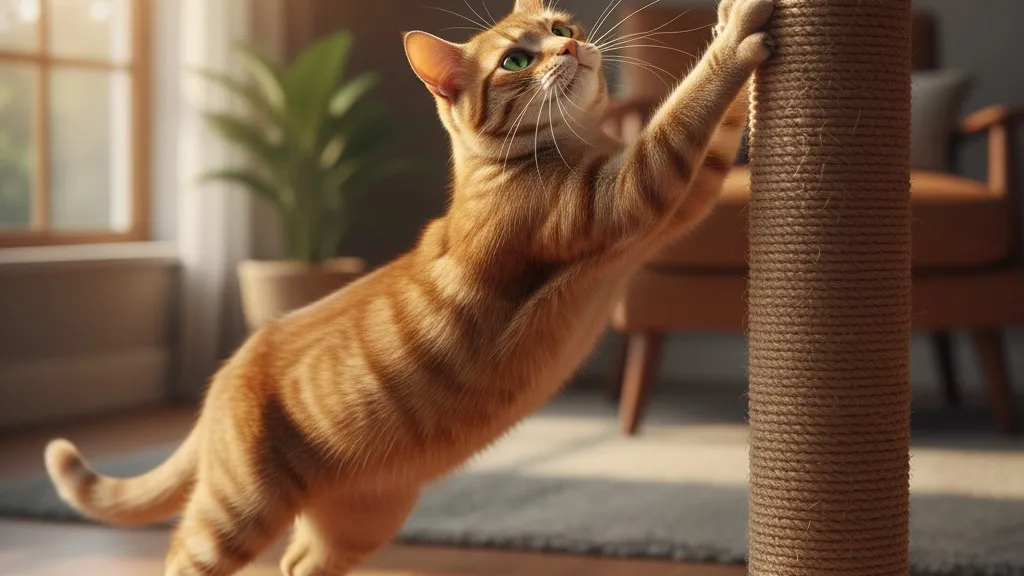
Vertical scratching posts are the most traditional style. These tall posts allow cats to stretch their entire body while scratching, which is the natural way cats prefer to scratch. Vertical posts are ideal for cats who scratch on door frames, chair legs, or other upright surfaces. Look for posts that are tall enough for your cat to stretch fully without crouching.
Horizontal scratching pads and scratchers are flat surfaces that cats scratch while lying down or sitting. These work well for cats who prefer to scratch carpets or rugs. Horizontal scratchers are also easier to fit into small spaces. Many cats who ignore vertical posts take to horizontal ones immediately.
Cat trees with scratching surfaces combine multiple features in one piece of furniture. These typically include platforms for climbing and resting, hiding spots, and scratching surfaces. Cat trees work well for multi-cat households where several cats need scratching options. They also satisfy cats who enjoy climbing and perching.
Corner scratching posts fit neatly into room corners, making use of space that often goes unused. These are particularly useful in apartments or smaller rooms where floor space is limited. Corner scratchers typically feature sisal rope or fabric covering.
Cardboard scratchers are affordable and disposable options that many cats love. These flat or angled pads made from compressed cardboard give cats a satisfying scratching surface. When the cardboard wears out, you simply replace it with a new one. Cardboard scratchers are also lightweight and portable.
| Type | Description | Best For | Space Required |
|---|---|---|---|
| Vertical Posts | Tall posts allowing full body stretches, traditional style | Cats who scratch door frames, chair legs, or upright surfaces | Moderate floor space |
| Horizontal Scratchers | Flat surfaces scratched while lying down or sitting | Cats who prefer carpets or rugs, small apartments | Low floor space |
| Cat Trees | Multi-surface furniture with platforms, hiding spots, and scratching surfaces | Multi-cat households, climbing enthusiasts | Significant floor space |
| Cardboard Scratchers | Affordable compressed cardboard pads, disposable when worn | Budget-conscious owners, cats who love cardboard | Minimal floor space |
Materials Matter
The material of a scratching post significantly affects how well your cat will use it and how long the post will last. Different materials appeal to different cats, so understanding your options helps you make the best choice.
Sisal rope is one of the most popular scratching post materials. This natural fiber is rough and durable, providing an excellent surface for claw maintenance. Sisal satisfies the scratching instinct in most cats and holds up well to heavy use. Posts wrapped in sisal rope typically last for years with regular scratching.
Sisal fabric offers a similar texture to sisal rope but in a flat fabric form. This material is sewn onto scratching surfaces and provides good claw grip. Sisal fabric is often used on cat trees and scratching boards. It tends to wear out faster than rope but is easier to replace.
Carpet is a common material on less expensive scratching posts, but it can confuse cats. The texture may feel similar to the carpet in your home, potentially teaching your cat to scratch on carpets instead of the post. If you choose a carpeted post, ensure the fibers run in a different direction than your home carpet.
Cardboard provides a satisfying scratch for many cats and is an affordable option. Corrugated cardboard scratchers have a rough texture that cats enjoy. These are particularly popular with cats who scratch on carpets or who prefer horizontal scratching. Cardboard scratchers eventually need replacement as they wear out.
Natural wood such as logs or branches can serve as scratching surfaces for outdoor cats or as part of cat furniture. Some cats strongly prefer the texture of natural wood. Log scratching posts add an aesthetic element to your home while serving a functional purpose.
Sea grass and other plant-based materials offer eco-friendly scratching options. These materials are sustainable and provide a unique texture that many cats enjoy. However, they may not be as durable as sisal and can be harder to find.
Choosing the Right Height and Stability
The height and stability of a scratching post are crucial factors in whether your cat will actually use it. A post that wobbles or is too short will likely be ignored in favor of more satisfying options.
Height requirements depend on your cat’s size and scratching style. A good general guideline is that the post should be tall enough for your cat to stretch fully while scratching. For most adult cats, this means at least 30 inches from the ground. Larger breeds like Maine Coons may need posts of 36 inches or more.
Stability is essential. A wobbly post can startle cats and make them reluctant to use it. The base should be wide and heavy enough to prevent tipping. Some posts come with weighted bases or anti-tip designs. If a post wobbles when your cat scratches it, your cat will likely look for a more secure option.
Wall-mounted scratchers offer an alternative to freestanding posts. These attach to walls and provide stable scratching surfaces without taking up floor space. However, they require installation and may not work for all cats.
Angle also matters for some cats. Some cats prefer angled scratching surfaces, while others want straight vertical posts. Having multiple types of scratchers available helps you discover your cat’s preferences without committing to one style.
| Feature | Recommendation | Best For |
|---|---|---|
| Height | 30-36 inches minimum | Most adult cats |
| Base | Wide, heavy base | Active scratchers |
| Stability | No wobble when scratched | Anxious cats |
| Material | Sisal rope or fabric | Most cats |
| Angle | Vertical or 30-degree | Preference-based |
Top Cat Scratching Post Recommendations
1. Vesper Tall Cat Scratching Post
The Vesper Tall Cat Scratching Post has earned widespread acclaim from cat parents for its thoughtful design and durability. This impressive post stands 32 inches tall, allowing even large cats to stretch fully while scratching.
What sets the Vesper apart is its unique design that combines a tall scratching post with a platform at the base. The platform provides a place for your cat to rest near their scratching surface, satisfying their need to be close to their marked territory. The entire unit is wrapped in natural sisal rope that provides excellent claw grip.
The base of the Vesper is exceptionally stable, featuring a wide footprint that prevents tipping even during vigorous scratching sessions. Cat parents report that even large cats like Maine Coons and Bengals can scratch aggressively without moving the post.
The Vesper works well as a standalone scratching post or as part of a larger cat furniture arrangement. Its neutral design fits into most home decor styles without looking utilitarian. The natural sisal ages gracefully and maintains its effectiveness for years.
2. Pioneer Cat Scratching Post
The Pioneer Cat Scratching Post exemplifies quality construction and thoughtful material choices. This post features premium sisal rope wrapped around a sturdy central column, providing a satisfying texture that cats find irresistible.
The Pioneer stands out for its environmental consciousness. The post is made from sustainably sourced materials and the sisal is grown without harmful pesticides. For cat parents concerned about environmental impact, this post offers peace of mind alongside functionality.
At 28 inches tall, the Pioneer is appropriately sized for most average adult cats. The base is weighted to prevent tipping, and the post remains stable even when your cat pulls and scratches with enthusiasm. The sisal rope is tightly wound for durability and consistent texture.
Many cat parents appreciate that replacement sisal covers are available when the original eventually wears out. This extends the life of the post significantly and reduces waste. The ability to replace just the rope rather than the entire post makes this a sustainable choice.
3. Cathtex Cat Scratching Post
The Cathtex Cat Scratching Post offers exceptional value for cat parents seeking quality without breaking the budget. This post delivers many features found in higher-priced options at a more accessible price point.
The 30-inch height accommodates most cats comfortably, and the sisal rope wrapping provides the texture cats need for satisfying scratches. The base features a non-slip design that keeps the post firmly in place on smooth floors.
One distinctive feature of the Cathtex is its inclusion of a small platform at the base, similar to the more expensive Vesper. This gives cats a place to sit near their scratching post and adds versatility to the design. The platform also helps with stability.
The Cathtex post is available in multiple color options, allowing you to choose a look that complements your home. The sisal rope is durable and holds up well to regular use, making this a solid choice for households with multiple cats.
4. Techdetails Cat Tree with Scratching Posts
For cat parents seeking an all-in-one solution, the Techdetails Cat Tree delivers multiple scratching surfaces plus climbing and resting opportunities. This cat tree features several posts wrapped in sisal rope, providing multiple scratching options in one piece of furniture.
The Techdetails tree includes three separate scratching posts at different heights, satisfying cats who prefer different scratching angles. The posts are all covered in sisal rope for consistent texture and durability. The tree also includes multiple platforms and a cozy hideaway space.
Assembly is straightforward, with clear instructions and all necessary hardware included. The resulting structure is impressively stable once assembled correctly. Each scratching post can support significant force without wobbling or tipping.
This cat tree works exceptionally well in multi-cat households where several cats need scratching options. Having multiple posts means cats don’t have to wait for their turn, reducing potential conflicts over scratching territory.
5. Mu Mu goods Cardboard Scratching Pad
The Mu Mu goods Cardboard Scratching Pad offers a different approach to cat scratching. This horizontal scratcher provides a large, flat surface that cats can attack from any direction. The design is simple but effective.
What makes this scratcher special is its size. Unlike many cardboard scratchers that are small and get destroyed quickly, the Mu Mu goods pad provides substantial scratching surface area. Cats can sprawl across it or scratch at angles, making it versatile.
The corrugated cardboard texture is irresistible to most cats. Many cat parents report that their cats ignore expensive sisal posts in favor of this humble cardboard option. If your cat has rejected other scratching surfaces, a quality cardboard scratcher like this is worth trying.
When the scratching surface wears out, you simply replace the cardboard insert. Replacement inserts are affordable, making this a budget-friendly long-term option. The wooden frame is designed to last, so you only replace the cardboard portion.
6. Smart Cat Pixel Scratching Post
The Smart Cat Pixel Scratching Post combines modern design with functional excellence. This post features a unique shape that provides multiple scratching angles in one post. The design allows cats to scratch vertically or at a slight angle.
The Pixel post is covered in sisal fabric rather than rope, providing a slightly different texture. Some cats prefer this smoother surface over traditional rope. The fabric is stretched taut over the frame for consistent scratching feel.
The modern design of the Smart Cat Pixel makes it look more like sculpture than cat furniture. For cat parents concerned about aesthetics, this post adds visual interest to a room while serving a functional purpose. The clean lines and interesting shape complement contemporary decor.
At 32 inches tall, this post accommodates full stretches for most adult cats. The base is appropriately weighted for stability, and the overall construction quality is excellent. The sisal fabric covering is attached in a way that makes replacement possible when it eventually wears out.
Tips for Encouraging Your Cat to Use a Scratching Post
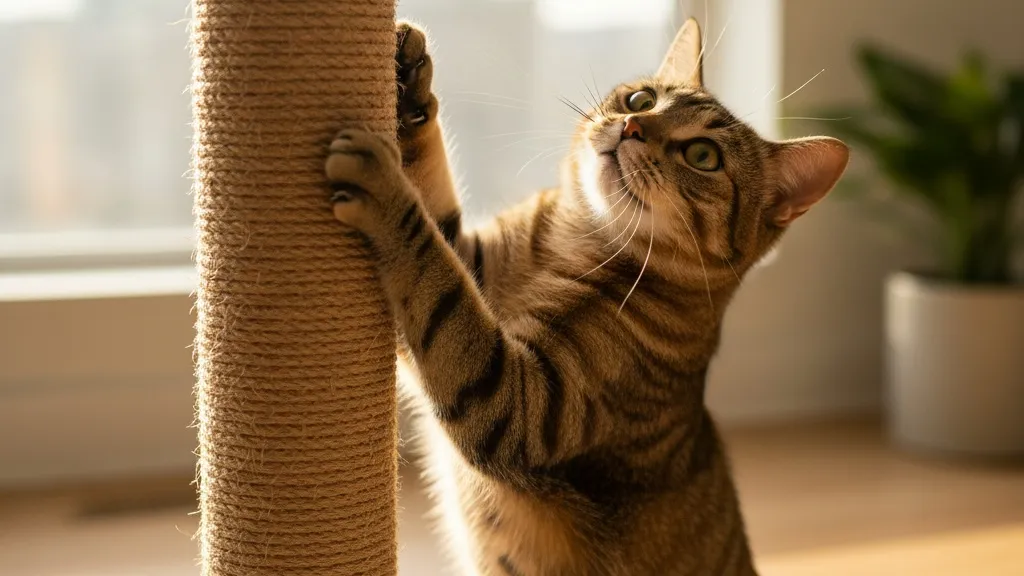
Sometimes cats ignore new scratching posts, especially if they are used to scratching on furniture or other surfaces. With patience and the right approach, you can encourage your cat to adopt their new scratching post.
Location matters significantly. Place the scratching post near the area where your cat already scratches, at least initially. If your cat scratches the sofa corner, put the post nearby. Once your cat consistently uses the post, you can gradually move it to a more convenient location.
Use catnip to attract your cat. Sprinkle dried catnip near the base of the post or on the scratching surface. The scent encourages many cats to investigate and scratch. Fresh catnip is even more attractive to cats who respond to catnip.
Reward your cat for using the post. When you see your cat scratching on the post, offer praise and treats. This positive reinforcement helps your cat associate the post with good things. Over time, they will prefer the post because scratching there earns rewards.
Make the post more appealing than your furniture. If your cat loves your sofa, try covering it temporarily with a texture they dislike, like aluminum foil or double-sided tape. This makes the furniture less attractive while the scratching post remains appealing.
Consider the material carefully. If your cat ignores a sisal post, try cardboard or carpet. Each cat has individual preferences. Having multiple types of scratchers available increases the chance that your cat will find one they love.
Small Space Solutions
Living in an apartment or small home does not mean sacrificing your cat’s scratching needs. Several options work well in limited spaces without compromising on quality.
Wall-mounted scratchers attach to walls and take no floor space at all. These can be installed at various heights to accommodate your cat’s preferred scratching position. Some wall-mounted options fold flat against the wall when not in use.
Corner scratchers fit neatly into room corners, making use of space that often goes unused. These triangular scratchers provide a substantial scratching surface while occupying minimal floor space. Many models include multiple scratching levels.
Horizontal cardboard scratchers lie flat on the floor but are compact enough for small spaces. Some models feature an angled design that cats find appealing. When not in use, they can be tucked against a wall or under furniture.
Multi-functional cat furniture combines scratching surfaces with other features. A small cat tree with scratching posts can provide climbing, resting, and scratching opportunities in one compact piece. Look for vertical designs that maximize floor space efficiency.
Frequently Asked Questions
How often should I replace my cat’s scratching post?
This depends on how much your cat uses it and the material. Sisal rope posts typically last 1-3 years with regular use. Cardboard scratchers may need replacement every few months. Inspect your post regularly for signs of excessive wear, and replace when the texture no longer provides good claw grip.
My cat scratches furniture instead of the post. What can I do?
Start by placing the scratching post near the furniture your cat uses. Make the furniture less appealing by covering it with textures cats dislike, like aluminum foil. Use catnip or treats to attract your cat to the scratching post. Never punish your cat for scratching the wrong surface, as this increases stress and worsens the problem.
Can kittens use the same scratching posts as adult cats?
Kittens can use the same posts as adult cats, but they may prefer smaller, more manageable options. A post with a sturdy base that does not tip is essential for energetic kittens. Starting with a scratching post during kittenhood helps establish good habits early.
Should I get multiple scratching posts for multiple cats?
Yes, having multiple scratching posts reduces conflict in multi-cat households. The general guideline is one scratching post per cat plus one extra. This ensures every cat has access to a preferred scratching surface and reduces the need to compete for territory.
What is the best material for cats who have destroyed other posts?
For aggressive scratchers, heavy-duty sisal rope on a stable base is the most durable option. Some cats do well with actual tree stumps or logs. Avoid lightweight cardboard or fabric-covered posts, which wear out quickly with heavy scratching.
Final Thoughts
Choosing the right scratching post for your cat involves considering your cat’s preferences, your space constraints, and your budget. The options reviewed here represent the best choices across different categories and price points.
Remember that every cat is an individual with unique preferences. A scratching post that works perfectly for one cat may be completely ignored by another. Be patient and willing to try different options until you find the perfect match for your feline friend.
Investing in quality scratching posts protects your furniture and satisfies your cat’s natural instincts. A well-chosen scratching post provides years of service while keeping your cat physically and emotionally healthy.