Why Do Cats Purr? The Science Behind a Cat's Favorite Sound
A cat's purr is one of the most beloved sounds in the animal kingdom. Discover why cats purr, what different purrs mean, and when a purr might actually be a signal to pay attention.
Why Do Cats Purr? The Science Behind a Cat’s Favorite Sound
Quick Answer
Cats purr by vibrating their vocal cords at a frequency between 25 and 150 Hz. While we often associate purring with happiness, cats also purr when stressed, injured, or in pain as a self-soothing mechanism. The most common reason for purring is contentment, but it can also be a request for food, attention, or comfort. Some research suggests purring may have healing properties for bones and tissues.
The Mechanism Behind the Sound
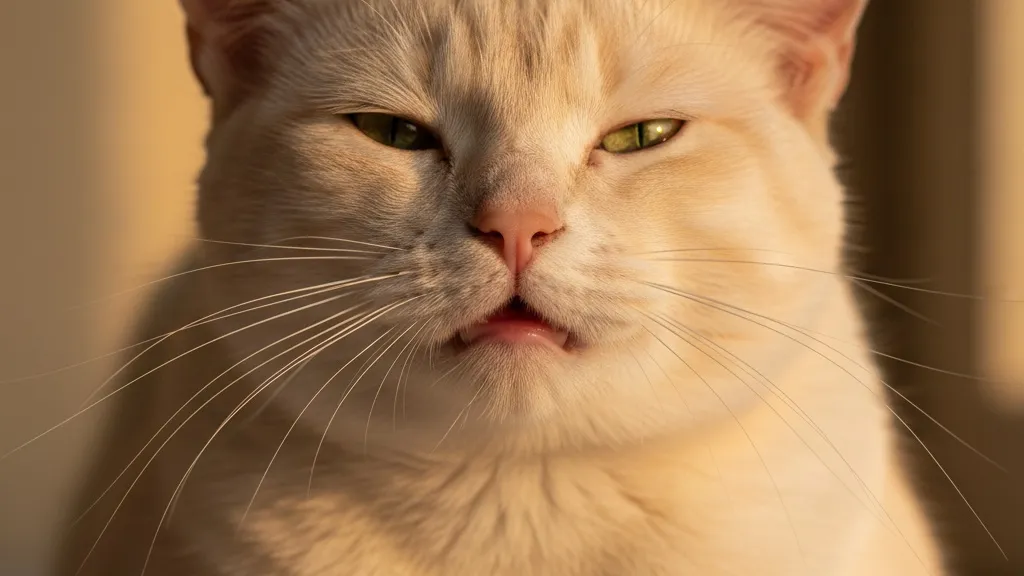
For decades, scientists and cat lovers alike have been fascinated by the purr. How does that rumbling, vibrating sound actually work?
The most widely accepted explanation is that purring is produced by the rapid contraction and relaxation of the laryngeal muscles, which surround the voice box. These muscles twitch at around 25 to 150 vibrations per second, causing the vocal cords to separate and vibrate in a characteristic pattern. The rhythm is tied to the cat’s breathing, creating that familiar cyclic sound that seems to come from deep within the cat’s chest.
What is fascinating is that cats can purr continuously while breathing in and out. This is different from other cat sounds, like meowing, which are primarily produced when exhaling. The unique anatomy of the cat’s larynx allows for this continuous sound production.
Not all cats purr, though. Some large cats like lions and tigers cannot purr because of differences in their laryngeal structure. Instead, they roar. This division between purring cats and roaring cats is one of the defining characteristics of the feline family tree.
Why Cats Purr: The Many Meanings
The idea that cats only purr when happy is a simplification. While contentment is one reason, cats have adapted this vocalization for multiple purposes throughout their lives.
Contentment and Relaxation
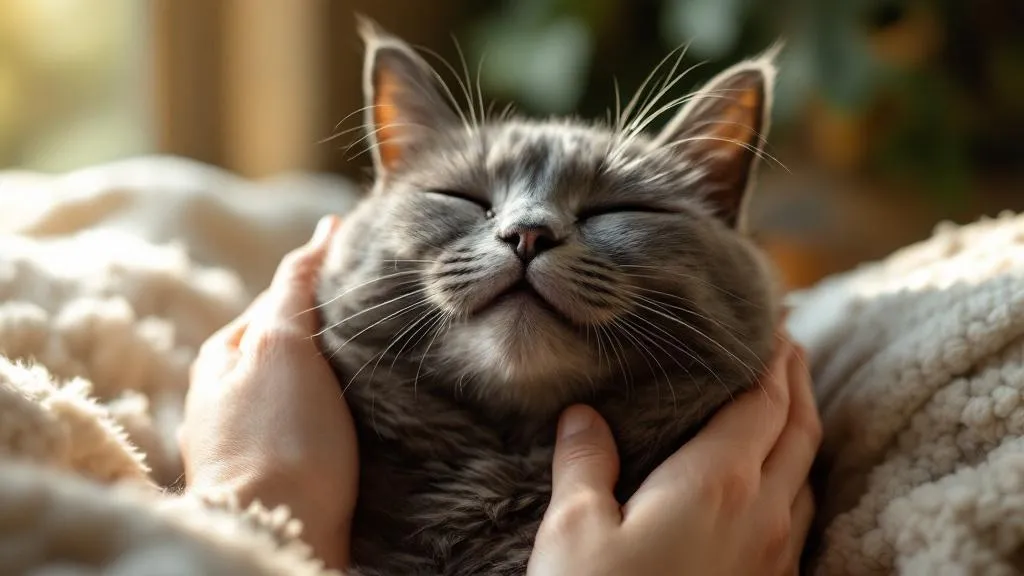
The scenario most of us recognize: your cat is curled up in a sunbeam, eyes half-closed, purring away while you stroke their fur. This is true contentment, and the purr is the auditory confirmation. When cats feel safe, secure, and happy, their bodies naturally produce this sound.
Some cats even purr when they are about to fall asleep. The gentle rumbling seems to help them relax into sleep, much like a child might suck their thumb or adults might listen to calming music before bed.
Requesting Food or Attention
Have you ever noticed your cat purring loudly right before dinner time? This is a deliberate communication strategy. Cats have developed a specialized purr that sounds slightly different from a contentment purr. It includes a higher-pitched component, sometimes described as a “solicitation purr” or “petition purr.”
Research has shown that humans often respond to this purr instinctively. The sound seems to tap into our nurturing instincts, making us more likely to fill the food bowl or give our cats attention. It is a clever manipulation that has proven highly effective over thousands of years of cohabitation with humans.
Self-Healing and Recovery
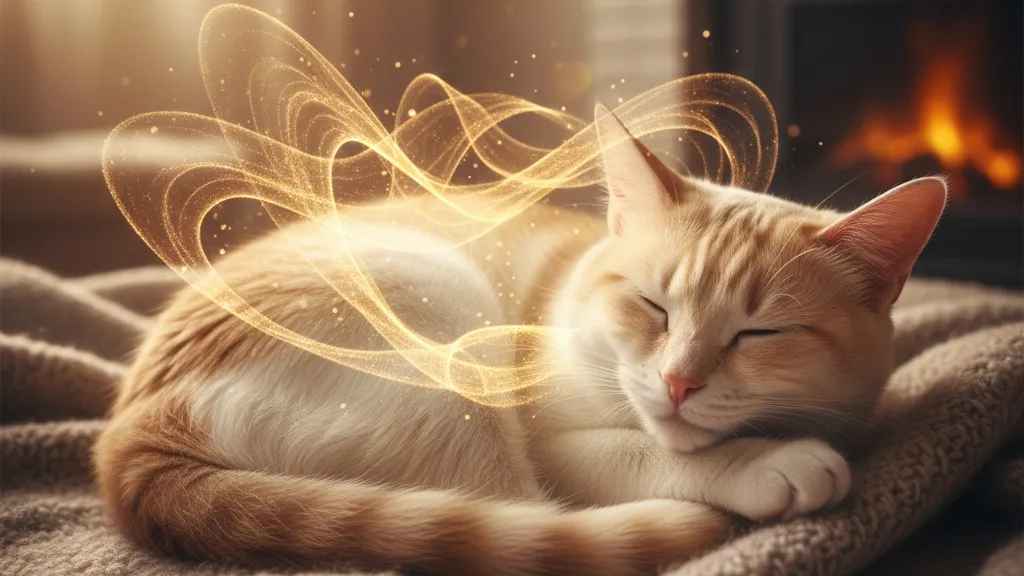
One of the most intriguing theories about purring is that it may serve a healing function. The frequency of a cat’s purr, typically between 25 and 150 Hz, happens to fall within the range that some studies suggest can promote bone density, tissue regeneration, and pain relief.
Cats spend a significant portion of their lives resting and sleeping, which could put them at risk for bone and muscle loss. The theory goes that the low-frequency vibrations of purring may stimulate bones and tissues in a way that prevents this deterioration. Some researchers have even explored whether purring could benefit humans, though the evidence remains preliminary.
Cats are also known to purr when injured or giving birth. The self-soothing nature of purring may help cats manage pain and promote healing. It is not unusual for a cat to begin purring when they are not feeling well, which can seem counterintuitive to worried pet owners.
Stress and Anxiety
Just as humans might laugh nervously or bite their nails when stressed, cats sometimes purr when they are anxious or frightened. This is called a stress purr or anxiety purr, and it serves as a coping mechanism. The rhythmic sound and vibration can help calm the cat’s nervous system.
If your cat is purring but also showing signs of stress, such as flattened ears, dilated pupils, or a tucked tail, the purr may not indicate happiness at all. Context matters enormously when interpreting your cat’s vocalizations.
Purring Differences Between Breeds
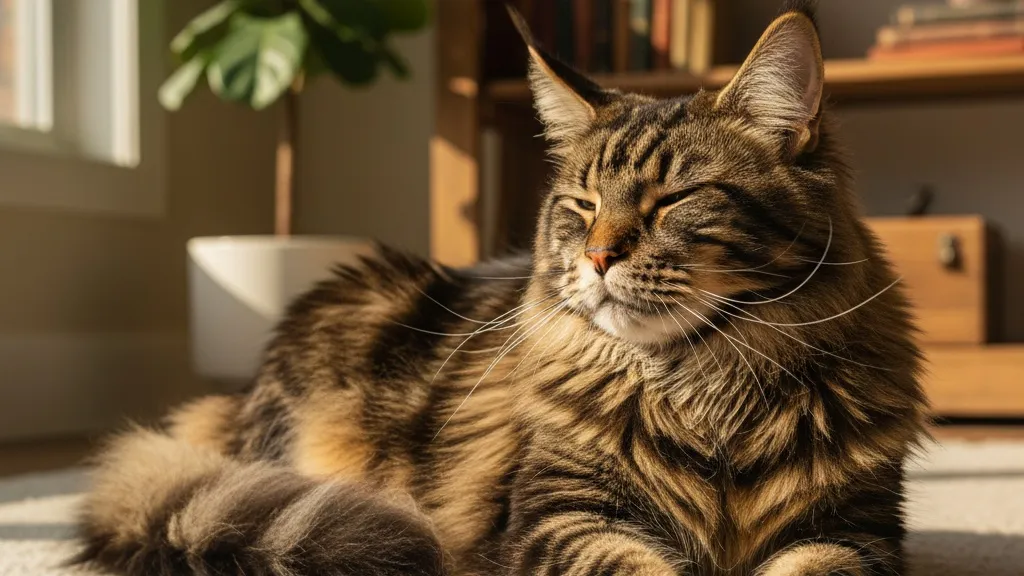
Not all cat breeds purr the same way. Some cats have notably loud, rumbling purrs that seem to resonate through their entire bodies. Others have such soft, quiet purrs that you might only hear them in a silent room.
The Loud Purrers
Maine Coons are famous for their impressive, rumbling purrs. These large, gentle cats often produce purrs that sound almost like a small motor. Ragdolls are another breed known for their enthusiastic purring. These cats were literally bred to go limp when picked up, and they often express their pleasure vocally.
The Quiet Purrers
Siamese cats are known for their more chatty personalities and tend to have softer, shorter purrs. They may prefer meowing or chirping to express contentment. Persian cats also tend toward quieter purring, perhaps because of their generally calm, laid-back personalities.
The Unusual Purrers
Some cats have what owners describe as “chirping” or “chattering” variations of purring, especially when watching birds or prey animals through a window. This mixed vocalization is thought to combine the contentment purr with the hunting instinct, showing that purring can coexist with excitement or frustration. Bengal cats are particularly known for their distinctive chirping sounds, especially when observing prey through a window.
When a Purr Might Be a Warning Sign
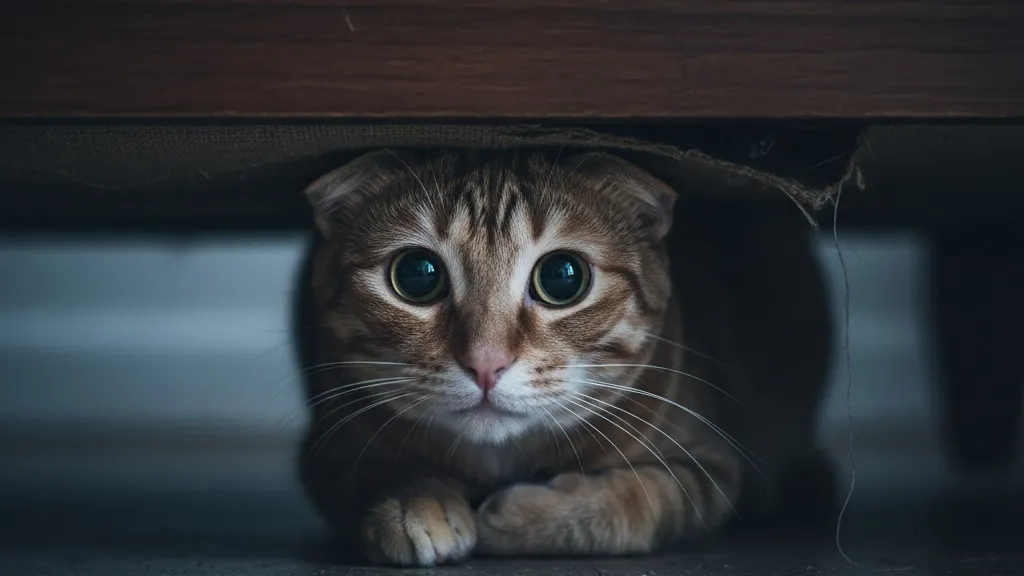
While purring is usually a good sign, there are times when it deserves closer attention.
Purring While Hiding
If your cat is hiding in unusual places and purring, it could indicate they are not feeling well and are trying to comfort themselves. Cats instinctively hide when they are sick or injured as a survival mechanism. The purr in this context is not happiness. It is a self-soothing behavior.
Purring and Decreased Appetite
A cat who purrs but is not eating, drinking normally, or using the litter box may be unwell. The purr alone does not tell you your cat is fine. You need to look at the whole picture, including behavior changes, energy levels, and physical symptoms.
Purring Accompanied by Limping or Pain
Elderly cats sometimes develop arthritis, which can be painful. A cat with joint pain might purr because the act of curling up and resting feels soothing. But the purr does not mean the pain has gone away. If you notice your senior cat moving stiffly or avoiding being touched in certain areas, it is worth a veterinary checkup.
Sudden Changes in Purr
If your cat’s purr has always been quiet and suddenly becomes loud, or if the quality of the purr changes noticeably, it is worth mentioning to your veterinarian. Changes in vocalization can sometimes indicate respiratory issues or other health concerns.
Understanding Your Cat’s Purrs
The best way to understand what your cat’s purring means is to pay attention to context and body language.
A happy purr usually comes with relaxed body language: soft eyes, ears in a natural position, a gently swaying tail. Your cat might knead with their paws, roll over to show their belly, or nuzzle against you.
A stressed purr often comes with tense body language: crouching, ears flattened or rotated, wide eyes with dilated pupils. Your cat might be trying to make themselves look small and unthreatening.
A request purr is usually louder and more insistent, often combined with your cat looking at their food bowl or at you expectantly. Many cats develop a specific “dinner purr” that their owners learn to recognize.
Encouraging Healthy Purring
You cannot force a cat to purr, but you can create an environment where purring is more likely.
Safe, Comfortable Spaces
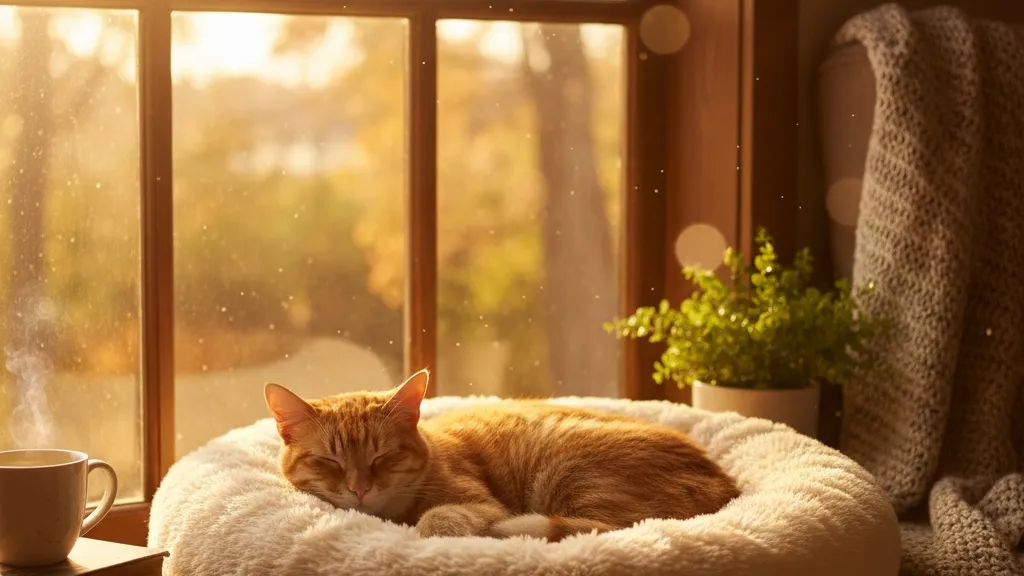
Cats purr most readily when they feel secure. Providing cozy hiding spots, soft bedding, and safe perching places gives your cat the security they need to relax completely.
Regular Positive Interactions
Grooming, petting, and gentle play sessions give your cat positive associations with your presence. Over time, your cat will associate you with comfort and safety, making purring a more frequent occurrence.
Routine and Predictability
Cats thrive on routine. Feeding, playing, and sleeping at consistent times each day reduces stress and helps your cat feel more settled. A relaxed cat is more likely to purr contentedly.
Final Thoughts
The cat purr remains one of the most studied and debated sounds in the animal kingdom. Whether your cat is expressing joy, asking for dinner, soothing themselves through a difficult moment, or even attempting to heal their own body, the purr is a complex and nuanced form of communication.
The next time your cat curls up on your lap and begins that gentle rumble, take a moment to appreciate everything behind that sound. Your cat is talking to you in the most intimate way they know how.
Related Articles
Want to learn more about feline behavior? Check out our article on why cats knead and our guide to understanding cat zoomies.
Frequently Asked Questions
Can cats purr when they are sleeping?
Yes, cats can and do purr during sleep. It is usually a lighter, quieter purr than when awake, and it may indicate your cat is sleeping contentedly. Some cats even purr while dreaming.
Why does my cat purr so loud?
Loud purring is usually a sign of a healthy, content cat with a robust purr mechanism. Some breeds are genetically predisposed to louder purrs. If your cat has always been a loud purrer, there is usually nothing to worry about.
Is my cat purring to heal themselves?
This theory has some scientific support, but it is not proven definitively. The frequency of purring does fall within ranges that might promote bone and tissue healing, and cats do often purr when injured. However, purring is also a social signal, so it likely serves multiple purposes.
My cat purrs but also bites me when I pet them. Why?
This is called petting aggression, and it is very common. Cats have specific preferences for where and how long they like to be petted. Some cats enjoy it for a few minutes and then become overstimulated. Learning your cat’s limits and watching for early signs of agitation can help prevent the bite.