What Are Cat Zoomies? Understanding the Sudden Burst of Energy
Your cat was calm one moment and suddenly racing through the house like wild. These bursts of energy, called zoomies, are completely normal. Learn what causes them and when to worry.
What Are Cat Zoomies? Understanding the Sudden Burst of Energy
Quick Answer
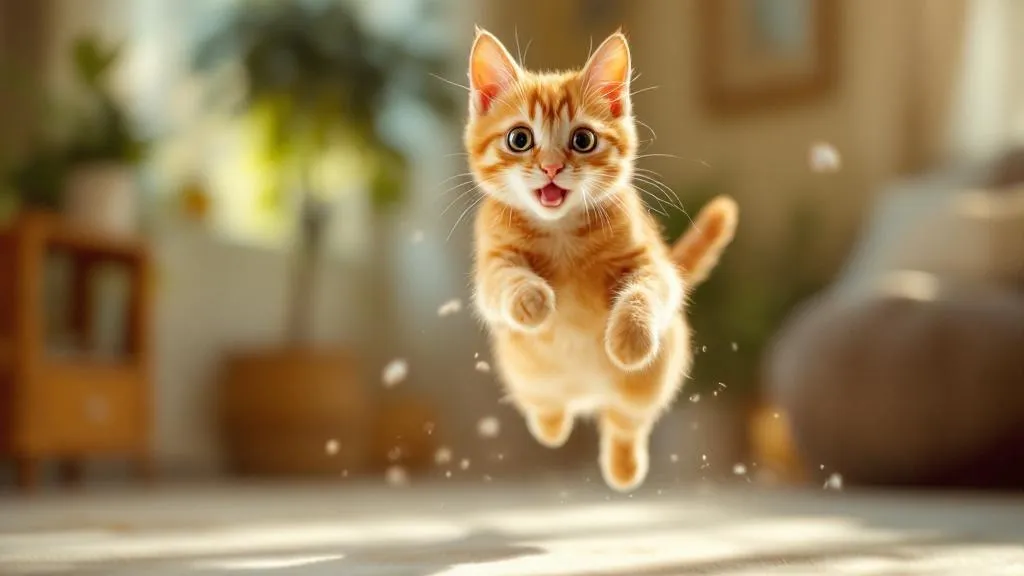
Cat zoomies, formally known as Frenetic Random Activity Periods (FRAPs), are sudden bursts of energy where cats run, leap, and sprint around seemingly without reason. They typically occur after rest, during the evening, or as a release of pent-up energy. Zoomies are normal and healthy in most cases, but excessive episodes or those accompanied by distress might warrant a vet visit.
What Exactly Are Zoomies?
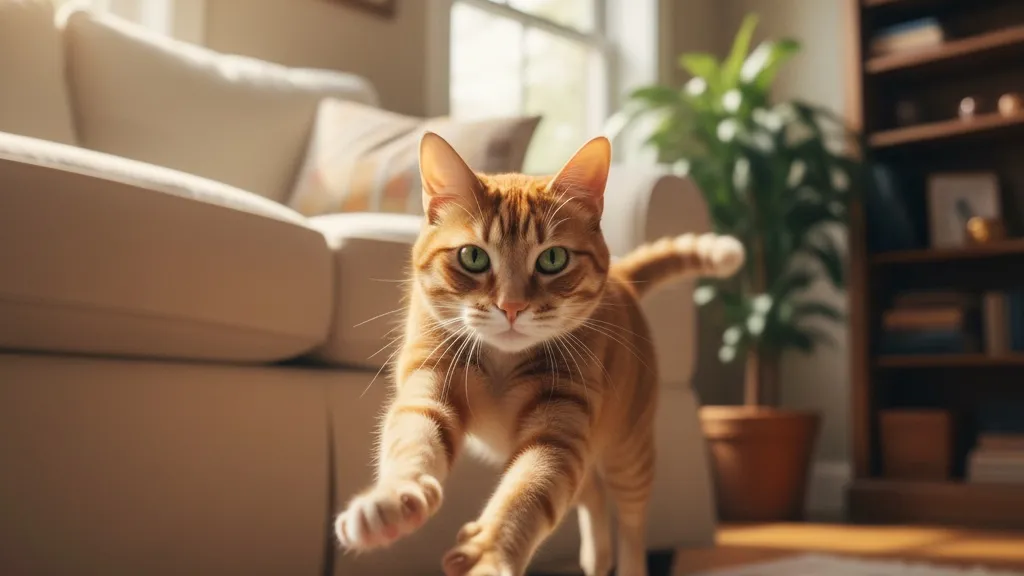
You have probably seen it happen. One moment your cat is lounging peacefully on the couch. The next, they launch into a blur of fur, sprinting through the house at full speed, maybe skittering around furniture, dashing up and down hallways, or launching off beds and counters in wild arcs. After anywhere from a few seconds to a minute or two, the burst ends as suddenly as it began. Your cat resumes their calm, dignified self as if nothing happened.
This phenomenon is so common that cat owners have given it a charmingly descriptive name: the zoomies. The technical term among animal behaviorists is Frenetic Random Activity Period, or FRAP. The name captures exactly what you are seeing: a period of frantic, unpredictable movement that seems to come out of nowhere.
Zoomies are not unique to house cats. Wild cats like lions, tigers, and leopards exhibit similar bursts of energy. In the wild, these bursts might serve purposes like surprising prey, escaping predators, or covering ground quickly. For our indoor feline friends, the zoomies are more about releasing energy and expressing natural instincts.
Why Do Cats Get Zoomies?
Understanding why cats experience zoomies requires understanding a bit about cat nature. Cats are crepuscular, meaning they are naturally most active at dawn and dusk. In the wild, these are the times when prey animals are most active too. So cats evolved to have peaks of energy during these windows.
Even though house cats do not need to hunt for their meals, their internal rhythms often still follow this ancient pattern. Your cat might get the zoomies first thing in the morning, in the late afternoon or early evening, or after a long nap when they are building up energy.
After Using the Litter Box
Many cats get zoomies immediately after using the litter box. This is especially common in younger cats and can feel startlingly dramatic. The theory is that the physical sensation of elimination, combined with the vulnerability of the position, triggers a release response. Some cats seem to genuinely enjoy the feeling of an empty bladder or colon and express their relief through a burst of energy.
If your cat consistently zooms after using the litter box, it is usually nothing to worry about. Just make sure they are not avoiding the box due to pain or discomfort, which could indicate urinary issues or constipation.
Pent-Up Energy
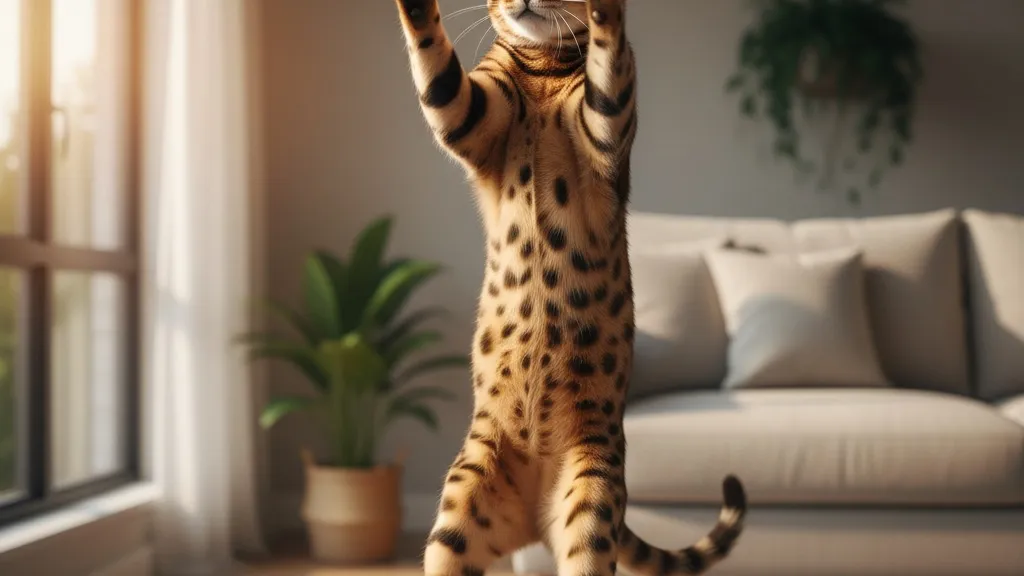
Indoor cats often do not get enough physical activity or mental stimulation. If your cat spends most of their time indoors with limited play opportunities, that energy builds up. Eventually, it has to go somewhere, and the zoomies provide an outlet. This is especially true for young cats and kittens, who are essentially furry balls of energy with an underdeveloped sense of restraint. High-energy breeds like Bengal cats and Abyssinian cats are particularly prone to dramatic zoomies due to their athletic build and active personalities.
The Post-Nap Reset
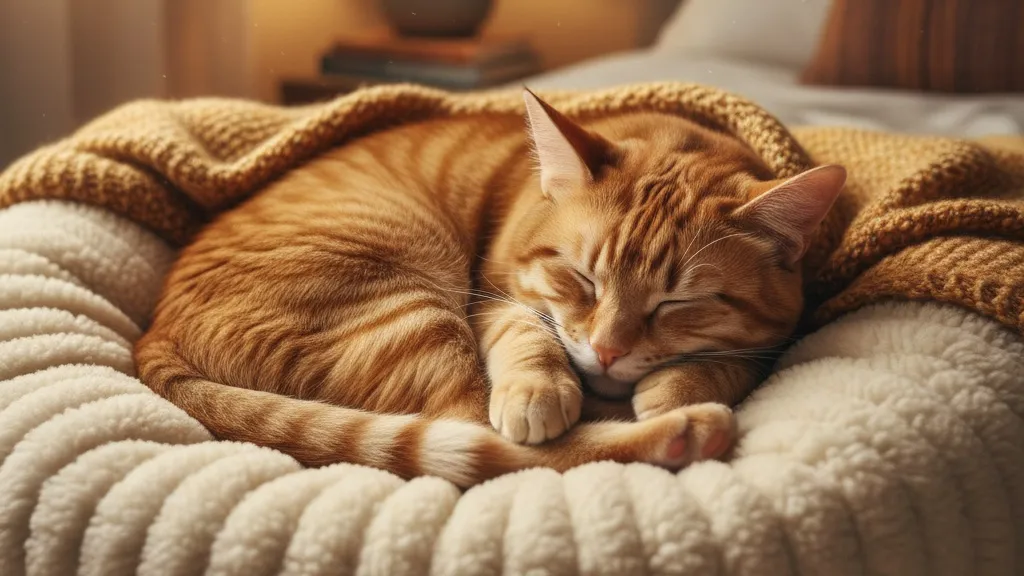
Cats sleep an impressive 12 to 16 hours per day. When they wake up, especially after a particularly deep sleep, they often experience a natural energy spike. This is similar to how humans might feel a burst of alertness after waking. The zoomies after a nap are your cat’s way of resetting and getting ready for their next activity period.
Evening Energy Peaks
Because cats are crepuscular, the evening hours often bring a natural increase in activity. If you find your cat doing zoomies right around dinnertime or just after you finish your own dinner, your cat is simply following their natural instinct. This is why many behaviorists recommend scheduling interactive play sessions in the evening to work with your cat’s natural rhythms.
Fear or Stress Responses
Sometimes zoomies are triggered by something that startled or frightened your cat. A loud noise, an unexpected visitor, a sudden movement, or even a new piece of furniture can trigger a startle response followed by a zoomie episode. In these cases, your cat is likely running on pure adrenaline and trying to release the stress of the unexpected moment.
Common Zoomie Triggers

While zoomies can happen spontaneously, certain situations seem to reliably set them off.
Bath Time
Few things frighten and energize a cat quite like a bath. If your cat has just been bathed, trimmed, or groomed, the combination of stress and physical discomfort often expresses itself through zoomies. Some cats bolt from the bathroom or grooming salon and race through the house at top speed, clearly trying to escape the traumatic experience and shake off the associated feelings.
The Late Night Crazies
Many cat owners are familiar with the “late night crazies,” that period around midnight when cats seem to lose their minds. Zoomies at night are extremely common, especially in younger cats. The house is quiet, there are fewer distractions, and your cat’s internal clock is telling them it is time to be active. If these nighttime zoomies are disrupting your sleep, try scheduling vigorous play sessions earlier in the evening to tire your cat out before bed.
Holiday Celebrations
Holidays bring excitement, unfamiliar noises, visitors, and changes to the household routine. All of this can trigger zoomies in cats who are sensitive to changes in their environment. Fireworks, in particular, can cause intense fear responses followed by zoomie-like running.
Multiple Cats
Homes with multiple cats often see more frequent zoomies. The presence of other cats provides built-in play partners and competition, which can amplify energy levels. One cat starting to zoom often triggers others to join in, creating a furry stampede through the living room. Cat breeds that tend to do well in multi-cat households, like Ragdolls or British Shorthairs, often participate enthusiastically in these group energy bursts.
When Zoomies Might Signal Something Else
Most zoomies are completely normal and nothing to worry about. However, there are some situations where the behavior might warrant closer attention.
Excessive Frequency
If your cat seems to have constant, unending zoomies with no breaks in between, it could indicate underlying anxiety or a medical issue. Normal zoomies come and go. Constant, frantic activity that does not resolve is not normal. Scottish Fold cats are particularly susceptible to joint issues that can cause pain, which might manifest as unusual or frequent zoomie-like behavior as the cat tries to work through discomfort.
Signs of Distress
A cat who zooms while crying, hissing, or appearing frightened is not experiencing happy zoomies. They are likely in distress. This type of episode might indicate pain, fear, or a medical emergency. If your cat seems panicked during these episodes rather than playful, contact your veterinarian.
Obsessive Repetition
Some cats get stuck in repetitive patterns where they run the same route over and over without seeming to enjoy it. This can look like zoomies but might actually indicate an obsessive-compulsive condition. If your cat seems unable to stop a repetitive running pattern, discuss it with your vet.
Accompanied by Other Symptoms
If zoomies are accompanied by changes in appetite, weight loss, excessive grooming, hiding, or any other behavioral changes, it is worth having your cat examined. The zoomies themselves might be fine, but they could be your cat’s way of coping with discomfort or illness.
How to Channel Zoomie Energy
Instead of simply watching your cat’s wild sprints with amusement or frustration, you can take steps to direct that energy in positive ways.
Scheduled Play Sessions
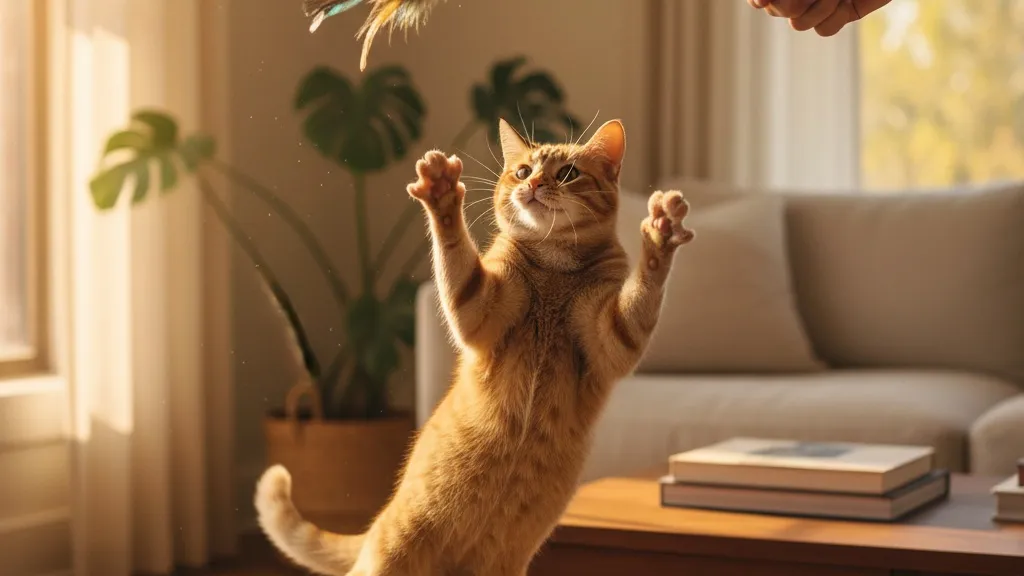
One of the best ways to prevent excessive zoomies is to give your cat structured play sessions twice a day. Use interactive toys like feather wands, laser pointers, or cat dancers to actively engage your cat in hunting and chasing behaviors. Fifteen to twenty minutes of vigorous play can tire out even the most energetic cat.
Puzzle Feeders and Interactive Toys
Mental stimulation is just as tiring as physical exercise for cats. Puzzle feeders make your cat work for their food, engaging their brains and using up energy in a productive way. When you are not home, providing a variety of toys that your cat can bat around independently can help keep them entertained.
Cat Trees and Vertical Space
Cats love to climb, jump, and perch in high places. Providing a tall cat tree or shelving system gives your cat outlets for their climbing instincts. When the zoomies hit, they can zoom up and down their cat tree instead of just running across the floor.
Window Entertainment
If your cat gets zoomies while watching birds or squirrels outside, consider setting up a bird feeder visible from a window. The entertainment value can help burn off some of that excess energy. Some cats will spend long periods watching wildlife, completely mesmerized.
Safe Outdoor Access
Catios (enclosed cat patios) or leash training can give your cat safe outdoor time that burns energy without the risks of free-roaming. Even a small enclosed space outside can provide enough room for a good zoom session.
Managing Nighttime Zoomies
If your cat’s late-night zoom sessions are keeping you awake, here are some strategies to consider.
Evening Play Bursts
Schedule your most vigorous play session about an hour before your bedtime. Use toys that get your cat running and jumping. After the play session, feed your cat their dinner. The combination of physical exertion and a full stomach often helps cats settle down for the night.
Gradually Dim Lights
About an hour before bed, start dimming lights and reducing household noise. This signals to your cat that nighttime is approaching and helps their body start producing sleep-inducing hormones.
Ignore Bad Behavior
If your cat zooms at night and you get up to play with them or give them attention, you are inadvertently rewarding the behavior. If you are certain your cat does not need anything, ignoring the zoomies and not reinforcing them can eventually reduce nighttime episodes.
Consider a Companion
Some cats, especially young ones, benefit from having another cat to play with. If you have the resources and space, adding a second cat can provide an outlet for energy through play that does not involve you.
Final Thoughts
The zoomies are one of the many things that make cats so endlessly entertaining. Behind that sudden sprint through the house is a natural expression of feline energy, instincts, and sometimes pure joy. Most of the time, zoomies are a sign that your cat is healthy, active, and living according to their natural rhythms.
Rather than worrying too much about the zoomies, focus on providing your cat with enough play, mental stimulation, and outlets for their energy. A tired cat is a calm cat, and while you cannot eliminate zoomies entirely, you can certainly reduce their frequency and intensity.
The next time your cat launches off the couch and streaks through the hallway like a furry rocket, you can smile knowing this is simply your cat being a cat.
Related Articles
Curious about other feline behaviors? Learn why cats knead and what it means in our article on cat kneading behavior, or explore the science behind why cats purr.
Frequently Asked Questions
Are zoomies dangerous?
For most cats, zoomies are perfectly safe. They are a natural release of energy. However, make sure your home is cat-proofed so your zooming cat cannot knock over fragile items or injure themselves on sharp corners. Keep toxic plants and small objects out of reach.
Why do older cats still get zoomies?
Zoomies are not just for kittens. Even senior cats can experience them, though perhaps less frequently. Older cats may have a slightly reduced capacity for the intense sprints, but the behavior remains normal throughout a cat’s life as long as there is no pain or mobility issue causing it.
Should I play with my cat during zoomies?
You can, but be careful. During a zoomie episode, your cat is moving very fast and may not be thinking clearly. Chasing or reaching for them could startle them or cause them to bolt unexpectedly. It is usually safer to let the episode pass and then engage in structured play afterward.
My cat zooms after eating. Is this normal?
Yes, this is very common. Many cats experience an energy spike after eating, similar to how some people feel a burst of alertness after a meal. The physical act of eating also seems to stimulate the digestive system, which some cats respond to with a zoomie session.
Can zoomies be prevented?
You cannot eliminate zoomies entirely since they are natural behavior, but you can reduce their frequency by ensuring your cat gets enough daily exercise and mental stimulation. A well-exercised cat tends to have fewer pent-up energy episodes.