Complete Cat Bathing Guide: How to Bathe Your Cat Safely
Learn how to bathe a cat with our step-by-step guide. From choosing the right shampoo to drying techniques, we cover everything you need for a stress-free bath.
Affiliate Disclosure: This article contains affiliate links. We may earn a commission at no additional cost to you when you purchase through links on this page.
Quick Answer: How to Bathe a Cat
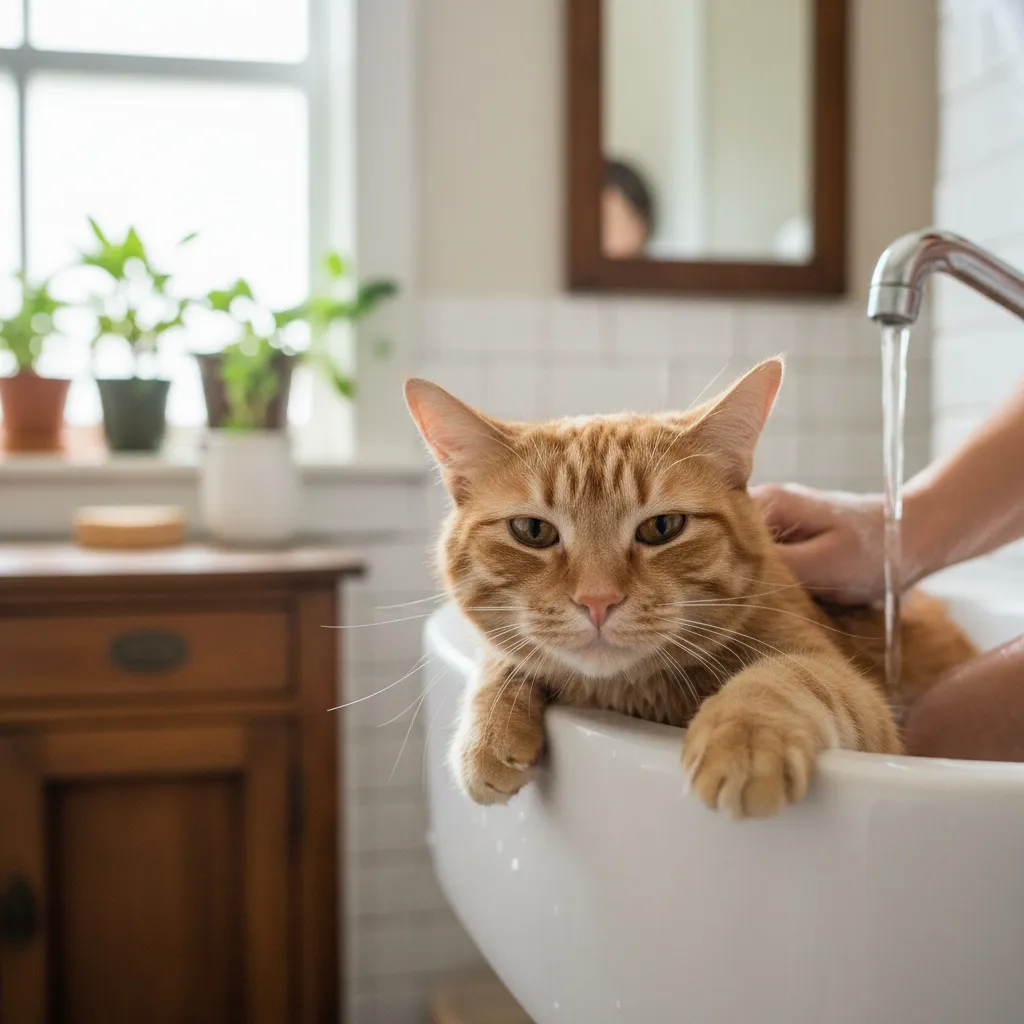
The simplest way to bathe a cat is to fill a basin or sink with a few inches of lukewarm water, gently place your cat in the water, wet the coat with a detachable showerhead or pitcher, apply cat-specific shampoo and massage it into the fur, rinse thoroughly, then wrap your cat in a towel and pat dry. Most cats only need baths occasionally, typically every 4-6 weeks or when they get into something dirty. Always use shampoo specifically formulated for cats, and never force a stressed cat into bathing.
Why Bathing Your Cat Matters
Many cat parents wonder if bathing is even necessary for cats, and the answer is yes, in certain situations. While cats are excellent self-groomers, there are times when a bath becomes essential for their health and comfort. Understanding when and how to bathe your cat helps you keep your feline friend clean, healthy, and happy.
Cats can get into sticky situations that require human intervention. Perhaps your curious kitty got into grease while exploring the garage, or your indoor cat had an unfortunate encounter with something toxic on the stove. Sometimes mats in the fur become so severe that bathing is the only way to safely clean beneath them. Senior cats or those with obesity may struggle to reach certain areas for proper grooming, making occasional baths necessary.
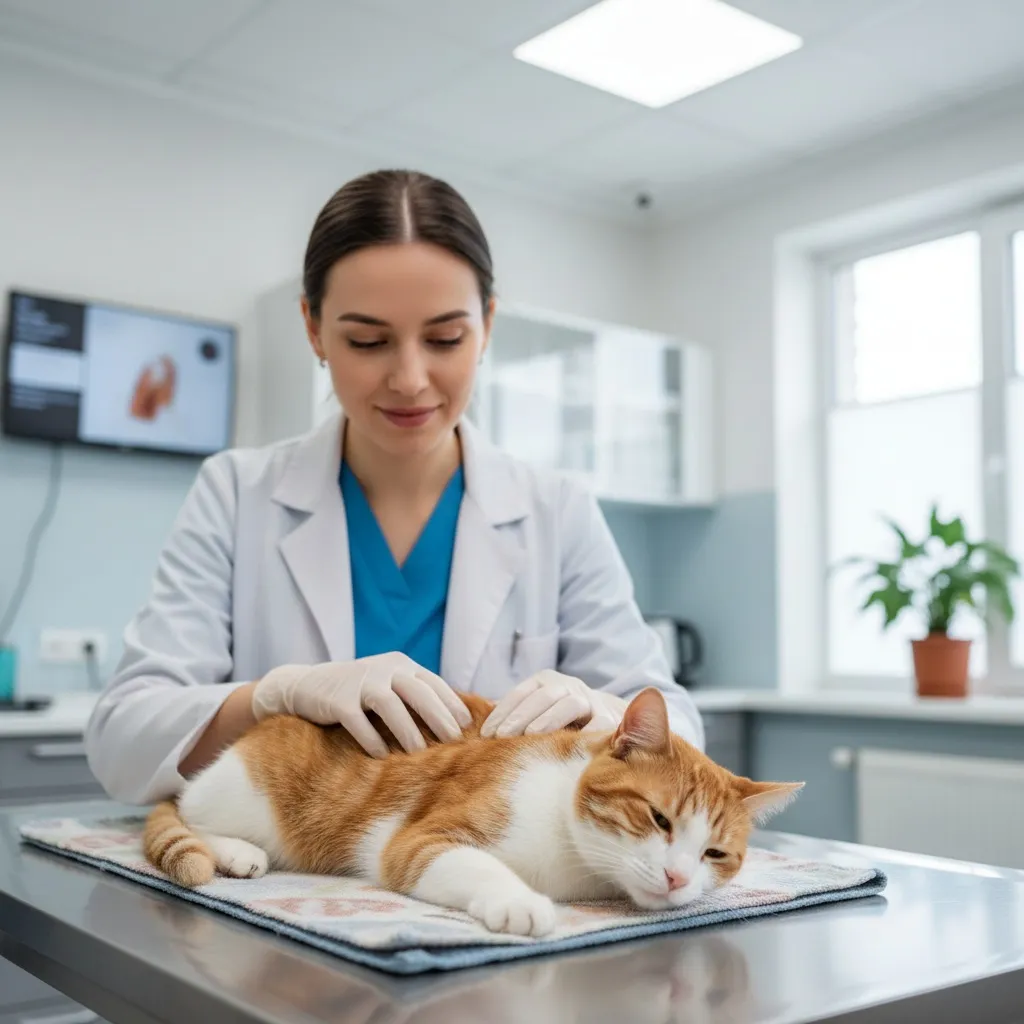
Bathing also provides an opportunity to check your cat’s skin for abnormalities such as lumps, bumps, parasites, or signs of infection. You can spot potential health issues early when you take time to handle your cat’s entire body during bath time. This hands-on inspection complements regular veterinary checkups and helps you stay attuned to your cat’s wellbeing.
Regular bathing contributes to a healthier coat and skin. It removes accumulated oils, dirt, and dander that brushing alone might not eliminate. For cats with certain skin conditions, medicated baths prescribed by your veterinarian can be an important part of treatment. Even for healthy cats, occasional bathing helps keep the coat shiny and the skin clean.
How Often Should You Bathe Your Cat
The frequency of bathing depends largely on your cat’s breed, lifestyle, and individual needs. Most healthy adult cats do well with a bath every 4-6 weeks. However, this is a general guideline, and your cat’s specific situation may call for more or less frequent bathing.
** Sphynx cats** require regular bathing, typically weekly or every two weeks. Their lack of fur means oils accumulate directly on the skin rather than being absorbed by fur. Without regular cleaning, Sphynx cats can develop oily patches, skin irritation, and an unpleasant feel. Many Sphynx parents find that weekly baths with a gentle, moisturizing shampoo keep their cats comfortable and their skin healthy.
Persian cats and other long-haired breeds have different needs. Their long, dense coats are prone to matting, and frequent bathing can actually worsen tangling if not followed by thorough drying and brushing. For Persians, a bath every 6-8 weeks, or even less frequently, is usually sufficient. Between baths, regular brushing keeps their coat in good condition.
Bengal cats and other short-haired breeds rarely need baths. Their sleek coats don’t trap oils and dirt as easily, and their natural grooming habits usually keep them clean. A bath every few months, or only when they get into something dirty, is typically plenty for these low-maintenance felines.
Outdoor cats may need more frequent baths due to their adventures. If your cat explores the great outdoors, check them regularly for dirt, parasites, or substances that might be harmful if ingested during grooming. A bath after a particularly dirty adventure keeps your cat safe and your home cleaner too.
Senior cats and kittens require special consideration. Kittens are usually more receptive to bathing when introduced young, and they may need more frequent baths simply because they are still learning to groom themselves effectively. Senior cats often appreciate the warmth of a bath but may have difficulty with the handling involved. Be extra gentle with older cats, and consider whether a simplified cleaning approach might work better for arthritic or stiff cats.
| Cat Type | Recommended Bathing Frequency |
|---|---|
| Sphynx cats | Weekly or every two weeks |
| Long-haired breeds (Persian, etc.) | Every 6-8 weeks |
| Short-haired breeds (Bengal, etc.) | Every few months or as needed |
| Outdoor cats | As needed, after dirty adventures |
| Kittens | More frequent during young age |
| Senior cats | As needed, with gentle handling |
Step-by-Step Cat Bathing Process
Preparation is the key to a successful cat bath. Gather all your supplies before bringing your cat anywhere near water. You will need cat-specific shampoo, several towels, a basin or sink filled with a few inches of lukewarm water, a detachable showerhead or a pitcher for rinsing, and treats for rewards. Having everything ready prevents you from leaving your wet cat unattended while searching for supplies.
Start by brushing your cat thoroughly to remove any loose fur, tangles, or mats. This step is especially important for long-haired breeds. Brushing before the bath prevents mats from becoming worse when wet and makes the bathing process more comfortable for your cat. It also removes much of the loose fur that would otherwise float in the bathwater and clog your drain.
Fill your basin or sink with 3-4 inches of lukewarm water. The water should feel comfortably warm to your wrist, similar to what you would use for a human baby. Cold water is uncomfortable for cats and may cause them to panic. Hot water can burn their sensitive skin and strip natural oils from their coat. Test the temperature before placing your cat in the water.
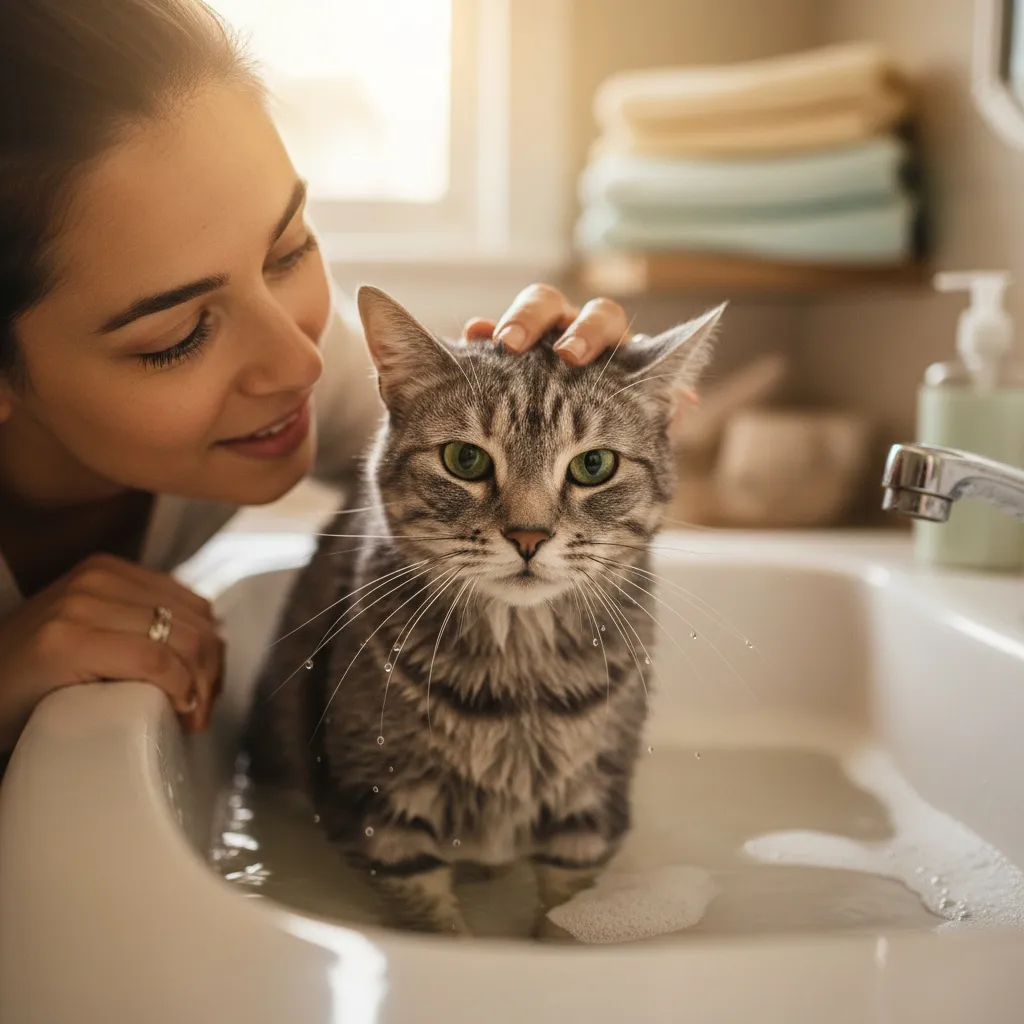
Gently place your cat in the water, supporting their chest and belly. Many cats prefer to keep their feet on the bottom of the basin rather than being lifted entirely off the ground. Speak in a calm, reassuring voice throughout the process. Do not rush or make sudden movements that might startle your cat.
Using a detachable showerhead or a pitcher, wet the coat thoroughly. Avoid spraying water directly on the face, ears, or eyes. Instead, use a damp washcloth to clean the face if needed. Work from the neck back, ensuring the undercoat is saturated. The fur should be thoroughly wet before applying any shampoo.
Apply a small amount of cat-specific shampoo to your hands and work it into the coat, starting from the shoulders and working toward the tail. Massage the shampoo into the skin with gentle circular motions. Do not use human shampoo, which can irritate a cat’s sensitive skin, or dog shampoo, which may contain ingredients harmful to cats. Even gentle baby shampoo is not ideal for cats because the pH balance is wrong for feline skin.
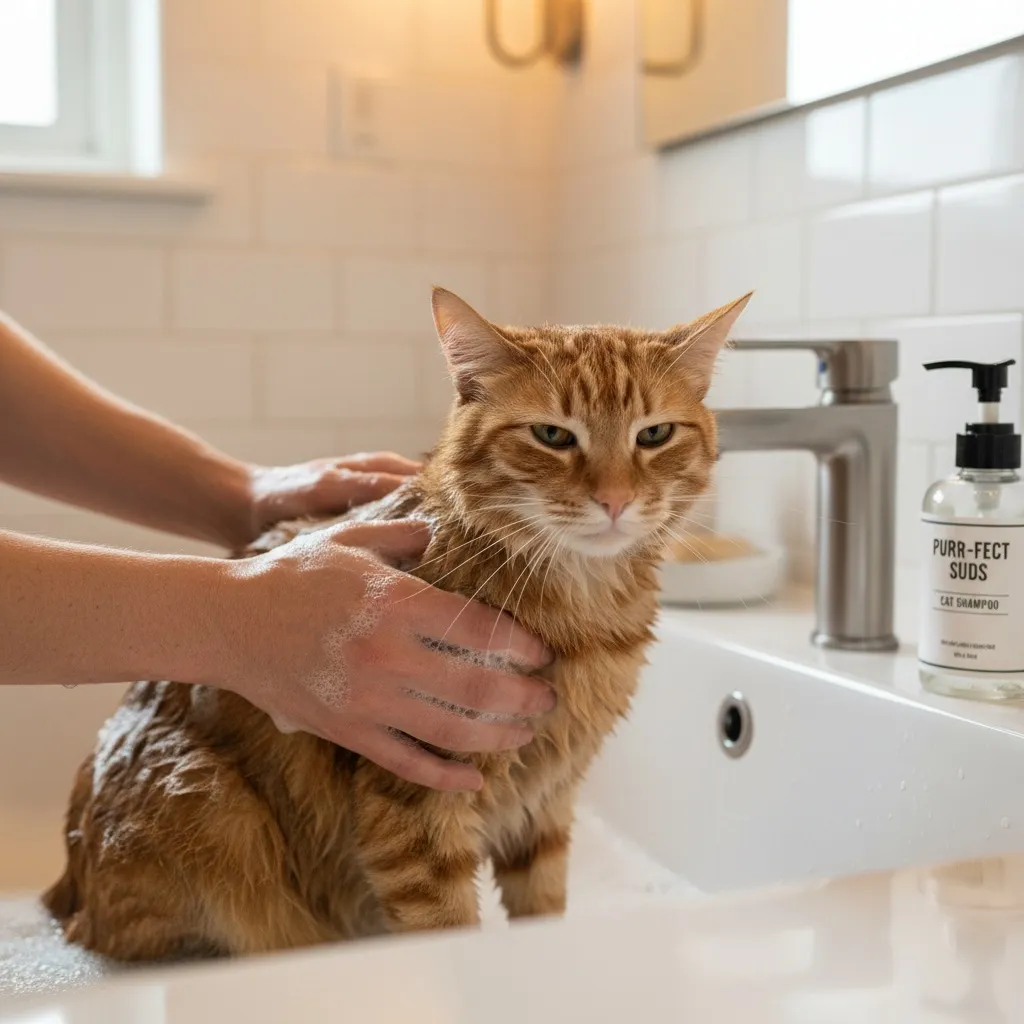
Rinse the shampoo thoroughly with lukewarm water. This step is critical because any remaining shampoo residue can cause skin irritation, dryness, and itching. Rinse until the water runs clear, taking care to remove all traces of shampoo from the undercoat. A thorough rinse often takes longer than the shampooing itself.
Once the bath is complete, wrap your cat immediately in a dry towel. Pat gently rather than rubbing, which can cause tangling, especially in long-haired breeds. Use a second towel if the first becomes saturated. Some cats tolerate being bundled in a towel like a little burrito, which can help them feel secure while drying.
Choosing the Right Cat Shampoo
Not all cat shampoos are created equal, and choosing the right one matters for your cat’s skin and coat health. Understanding the different types available helps you make the best choice for your feline companion.
Gentle everyday shampoos are suitable for regular use on healthy cats. These formulas are typically mild and tear-free, making bath time less stressful for sensitive cats. Look for shampoos with natural ingredients like oatmeal, aloe vera, or coconut-derived cleansers. These ingredients clean without stripping the coat of its natural oils.
Moisturizing shampoos are excellent for cats with dry skin or those who suffer from itching. Ingredients like oat proteins, shea butter, and vitamin E help soothe and hydrate the skin. These shampoos are particularly beneficial for Sphynx cats and other breeds prone to dry, flaky skin.
Deodorizing shampoos are formulated for cats who tend to get smelly or for older cats whose grooming isn’t as effective. These shampoos neutralize odors rather than just covering them up with heavy fragrance. Look for enzyme-based formulas that break down odor-causing bacteria.
Medicated shampoos require a prescription from your veterinarian. These are designed for cats with specific skin conditions such as ringworm, bacterial infections, or severe allergies. Never use medicated shampoos without veterinary guidance, as incorrect use can worsen skin problems.
Natural and organic shampoos appeal to cat parents who prefer to avoid synthetic ingredients. These typically feature plant-based cleansing agents and essential oils for fragrance. However, be cautious with essential oils, as some can be toxic to cats. Always verify that any essential oil used is safe for feline companions.
Fleas and tick shampoos are specifically formulated to kill and repel parasites. While effective, these should not be used frequently as they can be harsh on the skin. For ongoing flea protection, consider veterinarian-recommended preventive medications instead of relying on shampoo alone.
| Shampoo Type | Best For | Key Ingredients | Frequency |
|---|---|---|---|
| Gentle Everyday | Healthy cats with normal skin | Oatmeal, aloe vera, coconut | Every 4-6 weeks |
| Moisturizing | Dry, itchy skin | Shea butter, vitamin E, oat proteins | Every 2-4 weeks |
| Deodorizing | Senior cats, oily coats | Enzyme formula, natural citrus | Every 2-4 weeks |
| Natural Organic | Sensitive cats, chemical-free preference | Plant extracts, essential oils | Every 4-6 weeks |
| Medicated | Skin conditions (vet prescribed) | Antifungal, antibiotic, steroid | As directed by vet |
Drying Your Cat Safely
Proper drying is essential for your cat’s comfort and health after a bath. Wet cats can become chilled easily, and lingering moisture in the undercoat can lead to skin problems. Taking time to dry your cat thoroughly prevents these issues and makes the post-bath experience more pleasant for everyone involved.
Start with absorbent towels and gently pat the coat dry. Avoid vigorous rubbing, which can tangle long fur and irritate sensitive skin. Use multiple towels if needed, switching to a fresh dry towel once the first becomes saturated. Microfiber towels are particularly effective at absorbing moisture.
For short-haired cats, allowing them to air dry in a warm room is often sufficient. Keep your cat indoors and away from drafts until they are completely dry. Some cats enjoy the warmth of a sunny windowsill during drying time.
Long-haired cats require more attention. After toweling, use a wide-toothed comb to gently work through any remaining tangles. A slicker brush can help fluff the coat and remove excess moisture. For Persians and other long-haired breeds, thorough drying is crucial to prevent mats from forming as the coat dries.
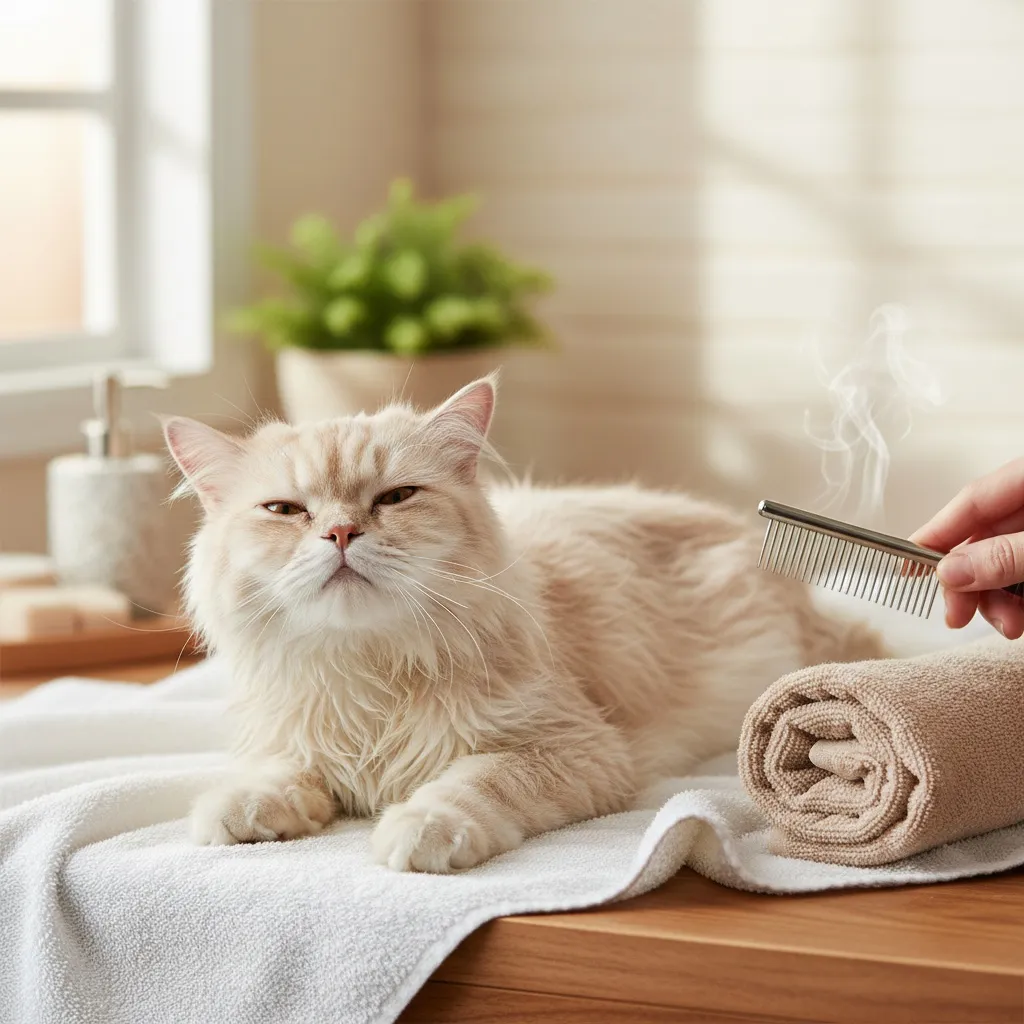
Some cat parents use a hairdryer on its lowest heat setting, held at least a foot away from the cat. This approach requires extreme caution because the heat can burn sensitive skin and the noise can terrify many cats. If your cat tolerates the sound, a dryer can speed up the process significantly. However, never force a hairdryer on a stressed cat.
For cats who are anxious about drying, a approach works well. Place your cat in a warm room with plush towels and let them shake off excess water naturally. Keep your cat contained to a small space until fully dry, as wet cats can slip on smooth floors. A carrier or bathroom with non-slip matting works well for containing a damp cat.
Dealing with a Stressed Cat
Some cats become highly anxious during bath time, and recognizing signs of distress helps you respond appropriately. Dilated pupils, flattened ears, rapid breathing, growling, scratching, and attempts to escape all indicate that your cat is frightened or upset. Taking steps to reduce stress makes bathing safer and more humane.
Never force a terrified cat into the water. Forcing a cat creates negative associations with bathing and can lead to injury for both cat and owner. Instead, work to create as calm an environment as possible. Close doors and windows to prevent escape attempts. Reduce noise from the household and speak in soft, soothing tones.
Consider using a cat-specific calming spray or wipe in the bathing area. Products containing pheromone mimics such as Feliway can help anxious cats feel more secure. Spray the towels and the surrounding area a few minutes before bath time to allow the scent to disperse.
For cats who are extremely resistant to traditional bathing, consider bathing in a small amount of water rather than filling a full basin. Some cats do better in just an inch or two of water that barely covers their feet. Others prefer being placed in a mesh laundry basket inside the water, which gives them something to grip and prevents the slipping sensation that many cats dislike.
Reward calm behavior immediately and generously. Treats before, during, and after the bath create positive associations. Even small rewards during the process, such as a treat between shampooing and rinsing, can help reduce overall stress.
If your cat consistently fights baths despite your best efforts, consider whether bathing is truly necessary. Sometimes brushing and spot-cleaning with pet wipes accomplish enough without forcing a traumatic experience. However, if your cat gets into something harmful that must be cleaned off, prioritize safety over comfort and complete the bath as quickly and gently as possible.
Alternatives to Traditional Bathing
Not every cleaning situation requires a full submersion bath. Several alternatives effectively clean your cat while reducing stress for both of you. These methods are especially valuable for spot cleaning between baths or for cats who simply cannot tolerate water.
Cat wipes are pre-moistened cloths designed specifically for feline coats. They remove dirt, dander, and excess oils from the fur without water. Wipes are convenient for quick clean-ups after your cat gets into something sticky and for maintaining coat freshness between baths. Choose unscented or lightly scented varieties, as strong fragrances can irritate sensitive cat noses.
Dry shampoo comes in powder or foam forms that absorb oils and odors from the coat. Sprinkle powder over the fur, work it in with your fingers, then brush thoroughly to remove the residue along with absorbed oils and dirt. Foam dry shampoos are applied directly to the coat and worked in before brushing. Neither method replaces a true bath for heavily soiled cats, but both extend the time between baths.
Waterless shampoo sprays offer a middle ground between wipes and traditional bathing. These spray-on formulas clean the coat as you massage them in, then you wipe the fur dry with a towel. Some waterless shampoos contain conditioning agents that leave the coat soft and shiny. They are particularly useful for cleaning the hard-to-reach areas like the lower back and tail base.
Brushing is actually the most important part of regular cat grooming, and it does much of the work that bathing accomplishes. Daily brushing removes loose fur, distributes natural skin oils, and prevents mats from forming. For healthy cats with good coat condition, consistent brushing combined with occasional spot cleaning may be all that is needed.
Spot cleaning targets specific dirty areas rather than the entire cat. If your cat gets mud on one paw, you can clean just that paw with a damp washcloth rather than subjecting your cat to a full bath. This approach is much less stressful and works well for minor messes.
When NOT to Bathe Your Cat
While bathing is sometimes necessary, there are situations where you should avoid it. Understanding these circumstances prevents accidentally harming your cat.
Do not bathe cats who are recovering from surgery or have open wounds. Water can introduce bacteria into healing tissue and delay recovery. Your veterinarian can recommend alternative cleaning methods for post-surgical cats.
Avoid bathing cats during extreme weather, especially in unheated spaces during winter. Wet cats lose body heat quickly, and chilled cats are susceptible to respiratory infections and hypothermia. If you must bathe a cat in cold weather, ensure the room is warm and your cat stays indoors until completely dry.
Cats with certain skin conditions may worsen with frequent bathing. Over-bathing can strip natural oils and exacerbate dry skin, creating a cycle of increasing irritation. If your cat has skin problems, consult your veterinarian before establishing a bathing routine.
Kittens under a certain age and without vaccinations should not be bathed by someone other than a veterinarian or experienced professional. Young kittens chill easily and may not have the immune system to fight off any bacteria introduced through water. For young kittens, consult your veterinarian about safe cleaning methods.
Frequently Asked Questions
Can I use human shampoo on my cat?
No, you should never use human shampoo on your cat. Human shampoo is formulated for the pH of human skin, which is different from a cat’s skin. Using human shampoo can cause dryness, irritation, and stripping of natural oils from your cat’s coat. Always use a shampoo specifically designed for cats.
How do I bathe a cat that scratches?
Start by trimming your cat’s nails a day or two before the bath to reduce the risk of scratches. Use thick gloves for protection, and consider having someone help you hold the cat gently while you work. Keep the water level low, and work quickly but calmly. If your cat is extremely aggressive about bathing, consider alternatives like wipes or waterless shampoo.
What if my cat has fleas?
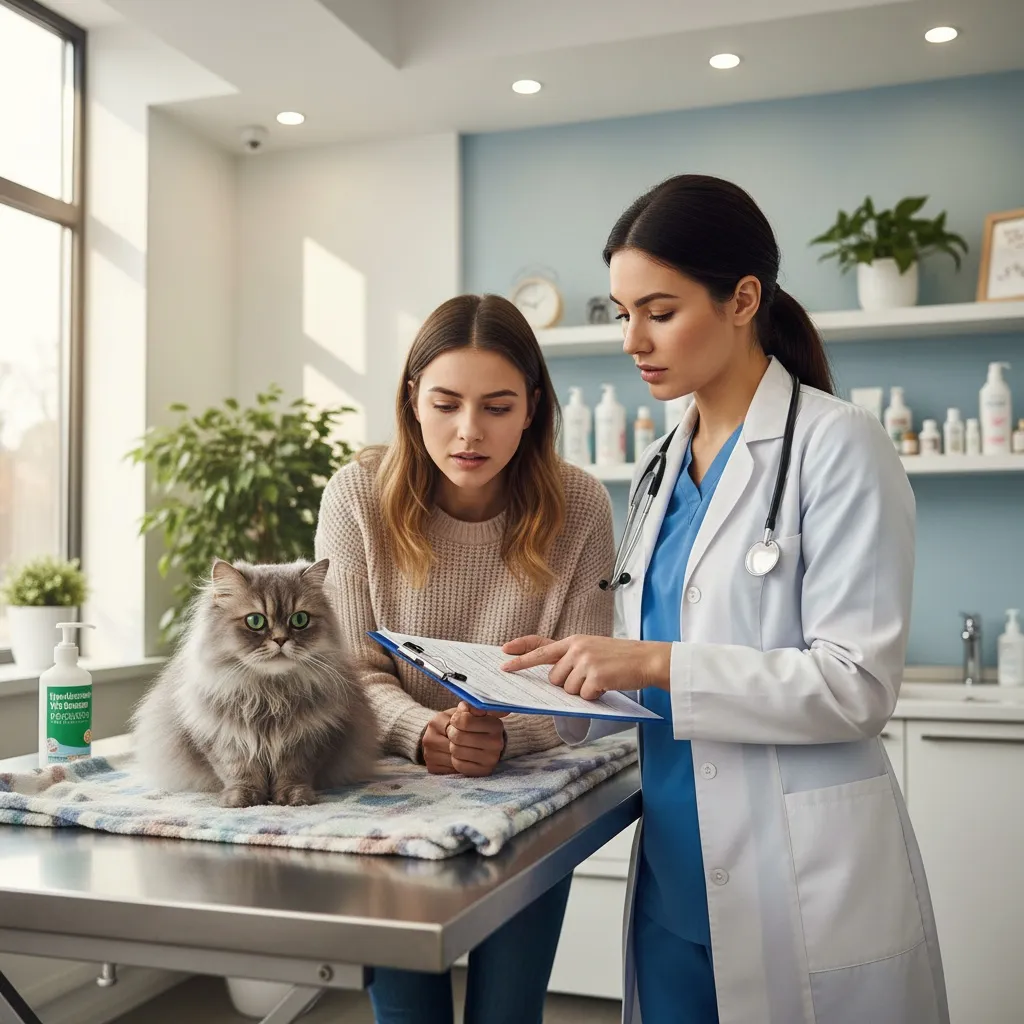
If your cat has fleas, bathing can help remove some of them, but it is not a complete solution. Use a veterinarian-recommended flea treatment for lasting results. Ask your vet about appropriate bathing frequency and recommended shampoos for flea control, as some medications need time to work before you bathe your cat.
How do I clean my cat’s face without water?
Use a damp washcloth or pet-safe wipe to clean around the eyes, ears, and face. Never spray water directly on a cat’s face or into the ears. For tear stains, specialized tear stain removers are available. Be gentle around the eyes and ears, and stop if your cat becomes stressed.
Should I bathe my indoor cat?
Indoor cats generally need fewer baths than outdoor cats, but they still benefit from occasional bathing. Indoor cats can get dirty, develop mats, or have oil buildup that requires attention. A bath every few months, or whenever they get into something dirty, is usually appropriate for most indoor cats.