Common Cat Health Issues and Prevention
A comprehensive guide to common cat health issues including dental disease, urinary problems, parasites, and prevention strategies for each condition.
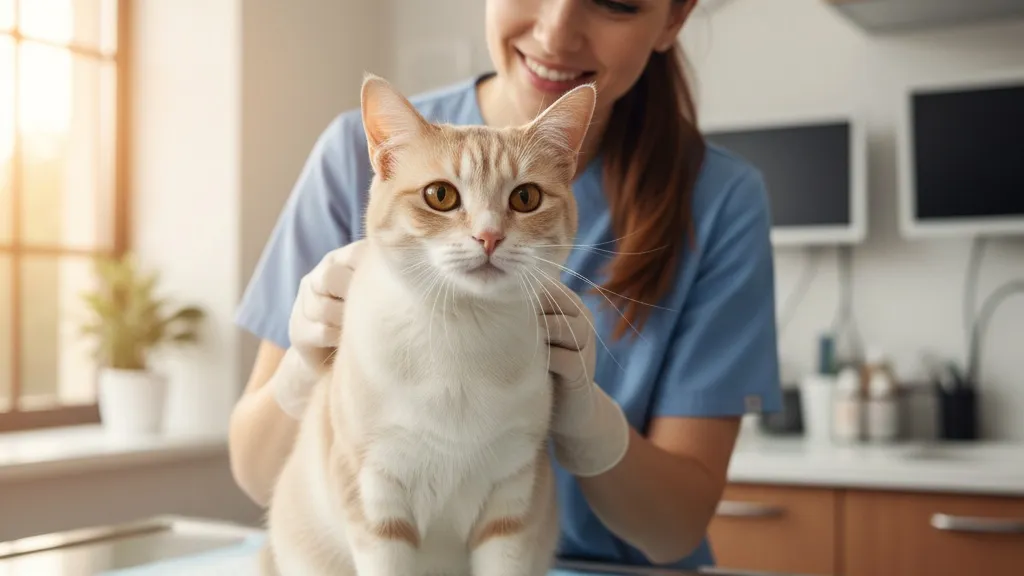
Common Cat Health Issues and Prevention
Introduction
As a cat parent, keeping your feline friend healthy is probably one of your top priorities. Understanding common cat health issues and knowing how to prevent them can help you provide the best care possible for your beloved companion. While cats are generally resilient animals, they are susceptible to various health conditions that, if caught early, can often be managed or prevented entirely.
This comprehensive guide will walk you through the most common health issues affecting cats, their warning signs, and, most importantly, what you can do to prevent them. Knowledge is your best tool for keeping your cat healthy, happy, and by your side for many years to come.
Understanding Your Cat’s Health Needs
Before diving into specific health issues, it’s important to understand some basics about cat health. Cats are masters at hiding illness, a survival instinct from their wild ancestors. In the wild, showing weakness made cats vulnerable to predators, so they evolved to conceal signs of disease.
This means that as a cat parent, you need to be especially vigilant. Regular veterinary checkups are essential because your vet can often detect issues that you might miss at home. Annual wellness exams are recommended for adult cats, while senior cats (typically those over 10-11 years) may benefit from twice-yearly visits.
Upper Respiratory Infections
Upper respiratory infections (URIs) are among the most common health issues in cats, especially those in multi-cat households, shelters, or who spend time outdoors.
What Are URIs?
URIs are infections that affect the nose, throat, and sinuses. They are often caused by viruses such as herpesvirus or calicivirus, though bacterial infections can also occur. These infections are highly contagious among cats through sneezing, coughing, or shared food and water bowls.
Symptoms
- Sneezing
- Runny nose or nasal discharge
- Watery or red eyes
- Fever
- Loss of appetite
- Lethargy
- Ulcers on the tongue or nose
Prevention
- Keep your cat indoors to reduce exposure to infected cats
- Ensure proper vaccination (FVRCP vaccine covers herpesvirus and calicivirus)
- Maintain clean litter boxes and food bowls
- Minimize stress, which can weaken immune function
- If you have multiple cats, isolate any new arrivals for proper health screening
Dental Disease
Dental disease affects an estimated 70-80% of cats over the age of three, making it one of the most prevalent health issues in feline medicine. For more details, see our cat dental care guide.
What Is Dental Disease?
Dental disease encompasses a range of conditions including gingivitis (gum inflammation), periodontitis (infection below the gum line), and tooth resorption. It begins with plaque buildup that hardens into tartar, irritating the gums and eventually leading to more serious infection and tooth loss.
Symptoms
- Bad breath (halitosis)
- Red, swollen, or bleeding gums
- Difficulty eating or dropping food
- Excessive drooling
- Pawing at the mouth
- Loose teeth
- Weight loss
Prevention
- Establish a dental care routine early in your cat’s life
- Brush your cat’s teeth regularly with cat-specific toothpaste
- Provide dental treats and toys designed to reduce plaque
- Schedule annual dental checkups with your veterinarian
- Consider professional dental cleanings when recommended
- Choose quality cat food that supports dental health
Fleas and Internal Parasites
Parasites, both external (fleas, ticks) and internal (worms), are extremely common in cats, even those who live primarily indoors. For prevention strategies, see our flea and tick prevention guide.
Common External Parasites
Fleas are the most common external parasite affecting cats. They cause intense itching, can lead to allergic reactions, and may transmit tapeworms. Some cats develop flea allergy dermatitis, causing severe skin irritation from just a few flea bites.
Ticks can attach to cats who go outdoors and may transmit various diseases. Ticks are less common in cats than dogs but still pose a risk.
Common Internal Parasites
Roundworms are the most common intestinal parasites in cats, especially kittens. Kittens can acquire roundworms through their mother’s milk. Adult cats typically acquire them through ingesting infected prey or feces.
Tapeworms often accompany flea infestations. Cats swallow fleas while grooming, and the tapeworm egg develops inside the flea. When the cat swallows the flea, the tapeworm hatches.
Hookworms attach to the intestinal wall and feed on blood. They can cause anemia and are particularly dangerous for kittens.
Symptoms of Parasite Infestation
For fleas: Excessive scratching, hair loss, scabs, and flea dirt (tiny black specks) visible in the coat
For internal parasites: Weight loss, pot-bellied appearance, dull coat, diarrhea or vomiting, visible worms in feces
Prevention
- Use veterinarian-recommended flea prevention year-round
- Keep your cat indoors to reduce exposure to parasites
- Maintain clean living conditions
- Have regular fecal exams at vet visits
- Practice good hygiene, especially when handling cat litter
- Deworm kittens according to your veterinarian’s schedule
Feline Obesity
Obesity is becoming increasingly common in cats and brings with it numerous health risks. An estimated 50-60% of cats in developed countries are overweight or obese. Senior cats are particularly susceptible, so see our senior cat care guide for comprehensive wellness advice.
Health Risks of Feline Obesity
- Diabetes mellitus
- Joint problems and arthritis
- Respiratory difficulties
- Liver disease (hepatic lipidosis)
- Increased risk during anesthesia and surgery
- Reduced quality and length of life
- Urinary tract problems
What Causes Obesity in Cats?
Most feline obesity results from simple calorie imbalance, too much food and not enough exercise. Contributing factors include:
- Free-feeding (leaving food out all day)
- High-calorie diets, especially dry food
- Indoor lifestyle with limited exercise
- Neutering/spaying (can reduce metabolic rate)
- Overfeeding due to affection
Prevention and Management
- Measure food portions rather than free-feeding
- Choose quality, protein-rich cat food
- Encourage exercise through interactive play
- Provide puzzle feeders to slow eating
- Limit treats to no more than 10% of daily calories
- Schedule regular weight checks with your veterinarian
- Adjust food amounts as your cat’s activity level changes
Feline Lower Urinary Tract Disease (FLUTD)
FLUTD refers to a group of conditions affecting the bladder and urethra in cats. It affects cats of all ages and can be life-threatening if urination becomes completely blocked. For more information on cat urinary health, see our guide to common cat health problems.
Types of FLUTD
Feline Idiopathic Cystitis (FIC) is the most common cause, accounting for roughly 60% of cases. It’s characterized by bladder inflammation without an identifiable cause.
Urethral Obstruction occurs when crystalline deposits or stones block the urethra, preventing urination. This is a medical emergency.
Urinary Stones (Uroliths) can form in the bladder and cause irritation, infection, or obstruction.
Symptoms
- Frequent urination
- Urinating outside the litter box
- Straining to urinate
- Crying while urinating
- Blood in urine
- Excessive licking of the genital area
- For males: attempting to urinate without producing urine (EMERGENCY)
Prevention
- Provide fresh, clean water at all times
- Encourage water intake with water fountains or multiple water stations
- Feed appropriate portions to maintain healthy weight
- Provide clean litter boxes (at least one per cat plus one extra)
- Reduce stress in the environment
- Consider canned food for increased moisture intake
- Ask your veterinarian about urinary health supplements
Ringworm
Despite its name, ringworm is actually a fungal infection, not a worm. It’s highly contagious and can spread between cats, dogs, and humans.
Symptoms
- Circular, scaly patches of hair loss
- Often on the head, ears, and front legs
- Broken hairs at the edges of lesions
- Red, inflamed skin
- Sometimes itching, but not always
Prevention
- Regular grooming to spot lesions early
- Keep your cat’s environment clean
- Isolate infected animals during treatment
- Vacuum and disinfect home environment
- Wash hands after handling infected cats
- Have pets tested before introducing new cats to household
Heartworm Disease
While more commonly associated with dogs, heartworm disease also affects cats. It’s transmitted through mosquito bites and can cause severe respiratory problems and even death in cats.
Symptoms
- Coughing
- Difficulty breathing
- Lethargy
- Vomiting
- Sudden collapse or death (in severe cases)
Prevention
- Use monthly heartworm prevention medication
- Keep cats indoors, especially during peak mosquito hours (dawn and dusk)
- Eliminate standing water around your home
- Ask your veterinarian about appropriate prevention for your cat
Conclusion
Being aware of common cat health issues helps you recognize problems early and take preventive measures to protect your feline friend. The key to maintaining your cat’s health includes:
- Regular veterinary checkups and vaccinations
- Appropriate parasite prevention
- Healthy diet and weight management
- Good dental care
- Plenty of exercise and mental stimulation
- A clean, low-stress environment
- Vigilance for any changes in behavior or appearance
Your cat depends on you to be their health advocate. By staying informed and working closely with your veterinarian, you can help ensure your beloved companion lives a long, healthy, and happy life.
Remember: When in doubt, consult your veterinarian. Early detection and treatment of health issues leads to better outcomes and a better quality of life for your cat.