Best Cat Brushes for Grooming in 2026
Find the perfect cat brush for your feline friend with our comprehensive guide. We review the best brushes for shedding, matting, and maintaining a healthy coat.
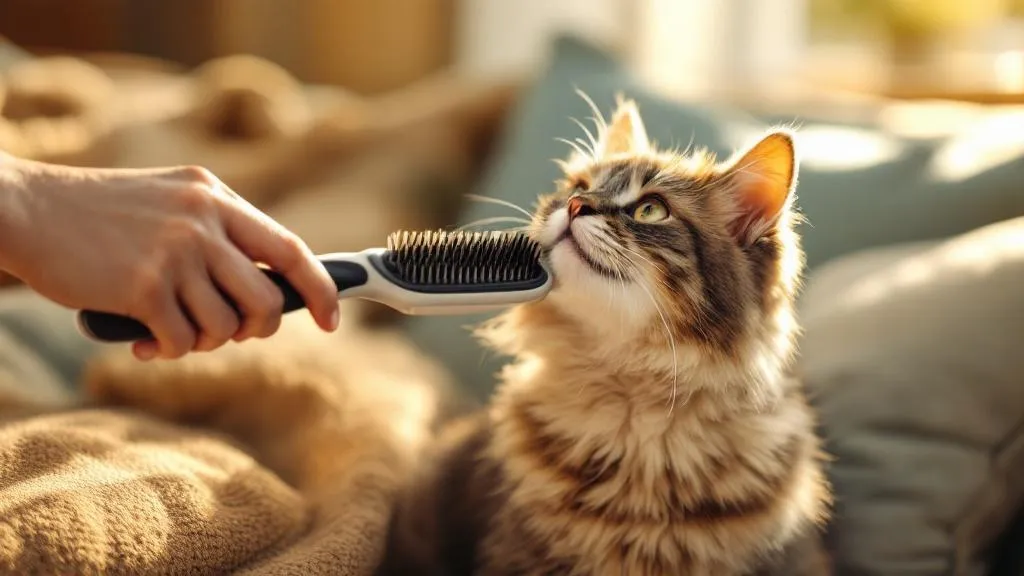
Best Cat Brushes for Grooming in 2026: Your Complete Guide
Regular grooming is one of the most thoughtful things you can do for your cat, and having the right brush makes all the difference. Whether you share your home with a fluffy Persian or a sleek Siamese, the appropriate grooming tools transform brushing from a chore into quality bonding time. The right brush removes loose fur, prevents painful mats, distributes natural skin oils, and gives you a chance to check for any skin issues or parasites.
Many cat parents underestimate just how much their feline friends benefit from regular brushing. Beyond the obvious reduction in hairballs and shed fur around your home, brushing stimulates blood circulation to the skin, removes debris and dander, and creates an opportunity to spot early signs of health problems. Let’s explore the best cat brushes available to help you keep your kitty looking and feeling wonderful.
Understanding Your Cat’s Coat Type
Before choosing a brush, it helps to understand your cat’s coat type. Different breeds and individual cats have varying grooming needs based on their fur.
Short-haired cats like Bengals, Siamese, and Abyssinians typically need less frequent brushing, perhaps once a week. A simple rubber curry brush or soft bristle brush usually works well for removing loose fur and distributing skin oils.
Medium-haired cats such as Maine Coons, American Shorthairs, and some domestic mixes benefit from brushing two to three times per week. A combination brush with different bristle types or a de-shedding tool works nicely for managing their thicker coats.
Long-haired cats including Persians, Himalayans, and Ragdolls require more intensive grooming, often several times per week or even daily. These cats are prone to matting, especially behind the ears, under the armpits, and around the hindquarters. A high-quality slicker brush and a wide-toothed comb are essential tools.
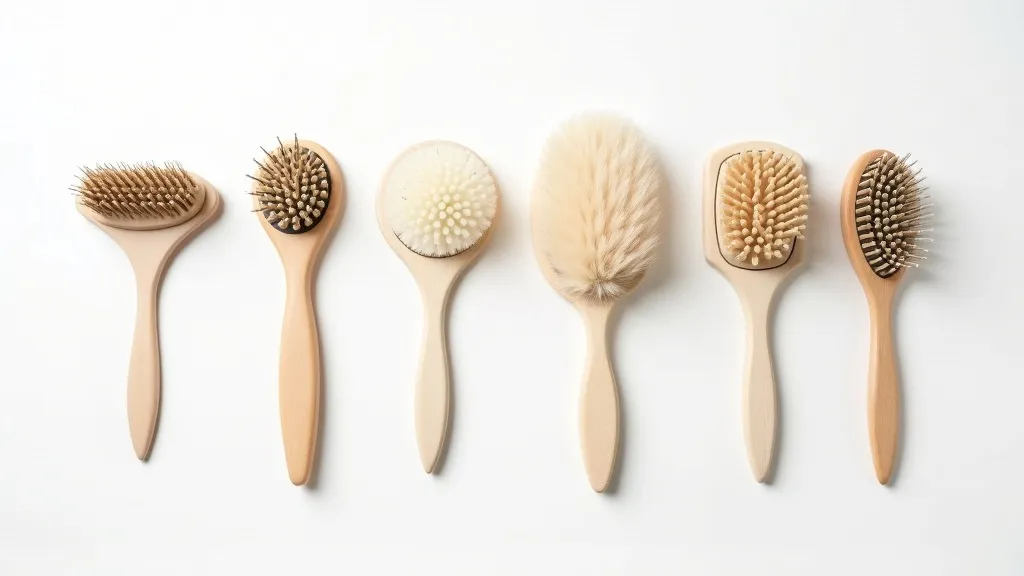
Types of Cat Brushes
Slicker Brushes: These feature fine, short wires close together on a flat or curved base. They’re excellent for removing tangles, mats, and loose undercoat fur. Slicker brushes are particularly useful for long-haired cats but should be used gently to avoid scratching the skin.
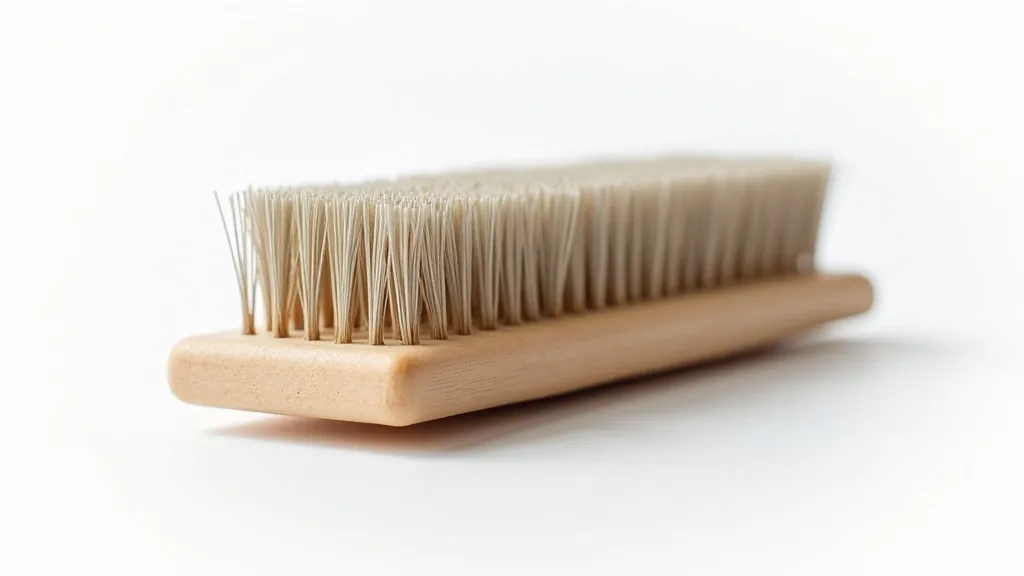
Bristle Brushes: Similar to human hair brushes, these have natural or synthetic bristles that help remove loose fur and distribute skin oils. They’re great for short-haired cats and provide a nice shine to the coat.
Rubber Curry Brushes: These feature flexible rubber fingers or nubs on a base. They’re gentle on the skin and excellent for massaging while removing loose fur. Many cats enjoy being brushed with a curry brush, making it perfect for bonding sessions.
De-shedding Tools: Specialized tools like the FURminator are designed to reach deep into the undercoat to remove loose fur before it ends up on your furniture. These are ideal for heavy shedders but should be used carefully to avoid over-brushing.
Combs: Wide-toothed combs work well for long-haired cats prone to mats, while fine-toothed combs are better for detecting fleas and removing small tangles.
Top Cat Brushes Worth Considering
1. Hertzko Self-Cleaning Slicker Brush
The Hertzko Self-Cleaning Slicker Brush has earned rave reviews from cat parents for its effectiveness and ease of use. The fine, bent wire bristles penetrate deep into your cat’s coat to remove tangles, mats, and loose fur with minimal effort.
What sets this brush apart is its self-cleaning feature. With the press of a button, collected fur slides off the brush, making cleanup quick and mess-free. This simple innovation transforms brushing from a two-handed job into a simple, one-handed task.
The bristles are gentle enough to avoid scratching your cat’s skin while still being effective at removing loose fur. The brush also features an ergonomic handle that fits comfortably in your hand, reducing fatigue during longer grooming sessions.
This slicker brush works well for cats of all coat types, though it’s particularly effective for medium and long-haired cats who are prone to matting. Cat parents report seeing a significant reduction in shedding within just a few uses.
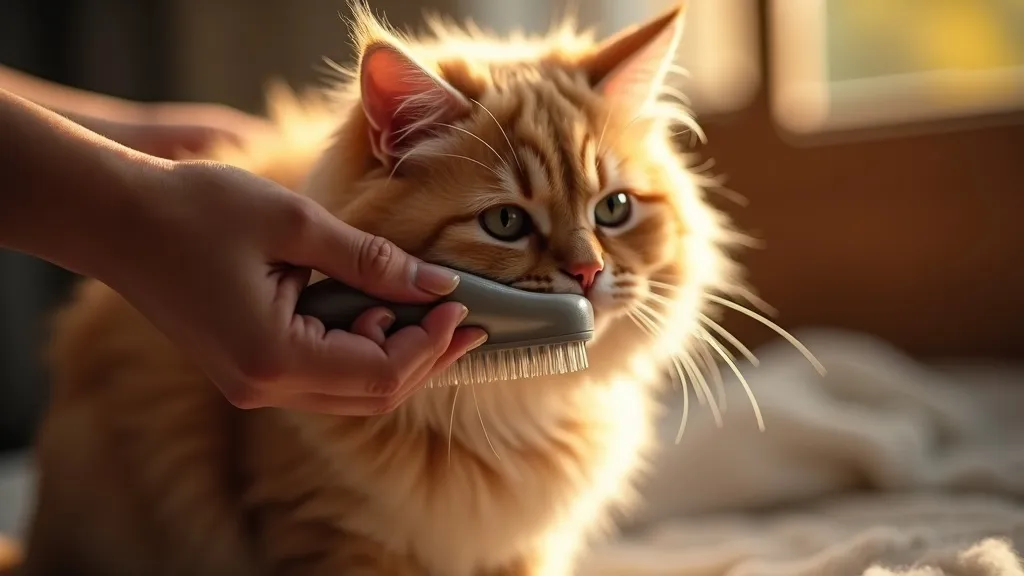
2. FURminator deShedding Tool
The FURminator is perhaps the most well-known de-shedding tool on the market, and for good reason. This specialized brush is designed to reach deep into your cat’s undercoat to remove loose fur that would otherwise end up on your clothes and furniture.
The FURminator features a patented stainless steel edge that safely removes loose hair without cutting or damaging the topcoat. It significantly reduces shedding when used regularly, typically once or twice per week.
One of the best aspects of the FURminator is its ergonomic design. The handle is designed to fit comfortably in your hand, and the brush head is appropriately sized for cats. It also features a FURejector button that pushes hair off the tool with one touch.
While the FURminator is highly effective, it’s important to use it correctly. Avoid pressing too hard, as this can cause irritation. Also, don’t use it on cats with very short coats or single-layer coats, as it may be too aggressive for these coat types.
3. Dakota Global Soft Cat Brush
The Dakota Global Soft Cat Brush offers a gentle yet effective grooming experience that’s perfect for cats who are sensitive about being brushed. The soft, flexible silicone bristles massage your cat’s skin while removing loose fur and stimulating blood circulation.
This brush works exceptionally well for short-haired cats, providing a pleasant brushing experience that many cats actually enjoy. The soft silicone is gentle on delicate skin and won’t cause irritation even with more vigorous brushing.
Cleaning is simple. The silicone bristles can be rinsed clean under running water, and the brush dries quickly. This makes it more hygienic than traditional bristle brushes, as there’s nowhere for bacteria to hide.
The massage-like effect of the Dakota Global brush is particularly beneficial for cats who need a calming grooming experience. Many cat parents find that their cats purr contentedly during brushing sessions with this tool.
4. Glimmerball Cat Brush
The Glimmerball Cat Brush adds a touch of whimsy to grooming time without sacrificing effectiveness. This innovative brush features soft, flexible fingers arranged in a dome shape that gently massage your cat while removing loose fur.
The unique design makes it easy to brush hard-to-reach areas like the face and around the ears. The soft fingers conform to your cat’s body contours, providing thorough coverage without missing spots.
One of the standout features of the Glimmerball is how well cats tend to accept it. The soft, gentle sensation is appealing to most cats, even those who are typically resistant to grooming. This makes it an excellent choice for cat parents who struggle with brushing sessions.
The brush is also very easy to clean. The fingers don’t trap fur like traditional brushes do, so you can simply wipe it clean or rinse it under water. The bright colors add a fun element to your grooming supplies.
5. Safari Cat Brush
The Safari Cat Brush is a classic grooming tool that has served cat parents well for years. This bristle brush features natural boar bristles that effectively remove loose fur and distribute skin oils across the coat for a healthy, shiny appearance.
What makes this brush special is its simplicity and effectiveness. There are no complicated buttons or mechanisms, just well-designed bristles that get the job done. Many professional groomers use similar brushes as part of their grooming toolkit.
The Safari brush works particularly well for short to medium-haired cats. It’s gentle enough for regular use and helps create a sleek, polished coat. Regular use results in less shedding and a shinier, healthier-looking coat.
The wooden handle feels nice in your hand and is durable enough to last through regular use. It’s an excellent everyday brush that provides reliable results without breaking the bank.
6. Teeth_comb Cat Dematting Comb
For long-haired cats prone to mats and tangles, the Teeth_comb Cat Dematting Comb is an essential tool. This specialized comb features sharp, curved teeth designed to safely cut through mats without pulling or damaging the surrounding fur.
The comb is effective at removing both mats and tangles, making it gentler than scissors for dealing with problem areas. The curved teeth slice through mats while the wider spacing helps prevent further tangling.
Many cat parents with long-haired breeds keep this dematting comb on hand for those inevitable mats that form despite regular brushing. It’s particularly useful for mats behind the ears, under the armpits, and around the tail base.
When using a dematting comb, work slowly and gently, working through the mat in small sections. Never pull or tug at mats, as this can hurt your cat and cause them to become resistant to grooming.
Tips for Successful Brushing Sessions
Start young if possible. Kittens who are introduced to brushing early in life typically accept it more readily as adults. Even adult cats can learn to enjoy brushing with patience and positive reinforcement.
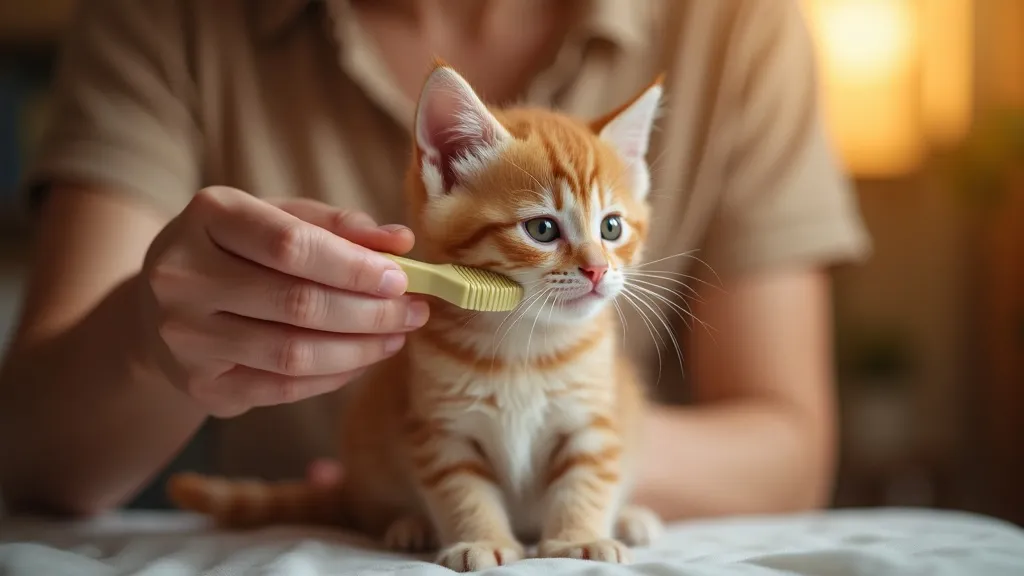
Choose a time when your cat is relaxed. After a meal or a nap is often a good time. Start with short sessions, just a few minutes at a time, and gradually increase the duration as your cat becomes more comfortable.
Always brush in the direction of fur growth. Brushing against the grain can be uncomfortable and may damage the coat or irritate the skin. Use gentle strokes and let the brush do the work.
Reward your cat during and after brushing. Offer treats, praise, and gentle petting to create positive associations with grooming. This makes future sessions much easier.
Frequently Asked Questions
How often should I brush my cat?
This depends on your cat’s coat type. Short-haired cats typically need brushing once a week. Medium-haired cats benefit from two to three sessions per week. Long-haired cats often need daily brushing to prevent mats and keep their coat in good condition.
My cat hates being brushed. What can I do?
Start with very short sessions and gradually increase the time. Use treats and praise to create positive associations. Try different brushes to find one your cat tolerates. If your cat is extremely resistant, consult with your veterinarian or a professional groomer for additional tips.
Can brushing help with hairballs?
Yes, regular brushing significantly reduces hairballs by removing loose fur before your cat can ingest it during self-grooming. This is especially important for long-haired cats, who are more prone to hairball issues.
Should I brush my cat’s teeth too?
While brushing your cat’s teeth is important for dental health, a cat brush is not the right tool. Use a cat-specific toothbrush and toothpaste for dental care. Your veterinarian can recommend a dental care routine appropriate for your cat.
How do I know if I’m brushing too hard?
If your cat flinches, pulls away, or shows signs of discomfort, you may be pressing too hard. The brush should glide through the fur with minimal pressure. For slicker brushes, you should barely feel the bristles on your cat’s skin.
Final Thoughts
Investing in a quality cat brush and establishing a regular grooming routine is one of the kindest things you can do for your feline friend. Not only does brushing keep your cat’s coat healthy and beautiful, but it also strengthens the bond between you and provides an opportunity to monitor your cat’s overall health.
The brushes we’ve highlighted here represent the best options across different brush types and coat needs. Whether you have a sleek short-haired cat or a fluffy long-haired breed, there’s a perfect brush out there for your feline companion.
Remember, the best brush is one that works well for your cat and that you both enjoy using. Take time to find the right tools and make grooming a positive experience for both of you. Your cat will thank you with purrs, cuddles, and a magnificently healthy coat.