Multi-Cat Households: How to Introduce Cats and Keep the Peace
Successfully introducing cats and maintaining harmony in multi-cat homes. Our guide covers slow introductions, the n+1 rule for resources, territorial issues, and signs of stress.
Quick Answer: Multi-Cat Household Success
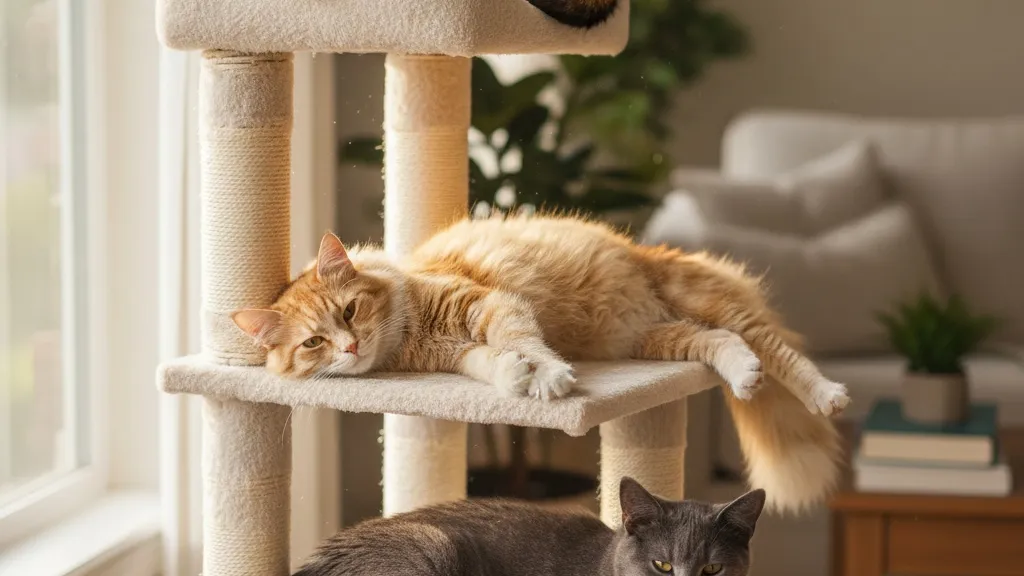
The key to successful multi-cat households is a slow introduction process that can take weeks or even months. Start by keeping the new cat in a separate room with their own food, water, and litter box. Swap bedding between cats to familiarize them with each other’s scents. Gradually introduce them through a door, then visual contact, always rewarding calm behavior. Ensure you have enough resources following the n+1 rule (one per cat plus one extra), and watch for signs of stress that indicate adjustments are needed.
Why Multi-Cat Households Can Work
Many cat parents dream of having multiple cats who live together in harmony. While achieving this takes patience and understanding, the rewards of a multi-cat household are significant. Cats can form deep bonds with other cats, providing each other with companionship, play, and emotional support.
Cats are not always the solitary creatures they are often portrayed as. Under the right circumstances, cats can develop genuine friendships with other cats. These relationships involve mutual grooming, playing together, and sleeping curled up next to each other. For cats who have lost companions or who are home alone while their humans work, having another cat friend can improve their quality of life significantly.
Multi-cat households also provide natural enrichment that a single cat simply cannot get from human interaction alone. Cats play together in ways that humans cannot replicate, engaging in chase games, wrestling, and collaborative hunting play. This helps keep cats physically fit and mentally stimulated throughout the day.
However, the key word is “can.” Not every pair of cats will get along, and forcing incompatible cats to share space creates stress and potential conflict. Understanding cat behavior and following proper introduction protocols gives you the best chance of success.
The Importance of Slow Introductions
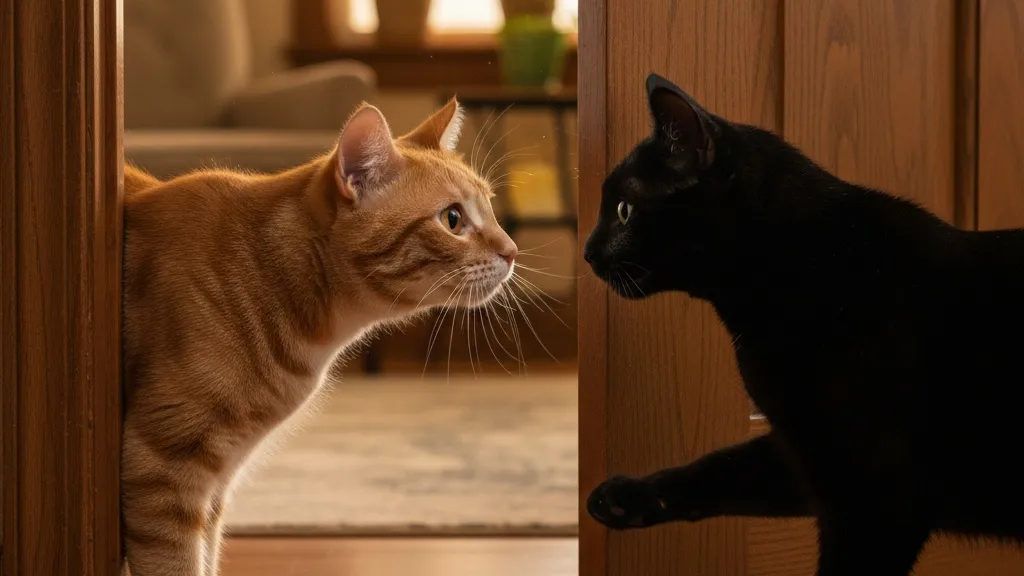
One of the biggest mistakes cat parents make when adding a new cat is introducing them too quickly. Cats are territorial animals, and a new cat in their space represents a significant threat. A slow introduction allows resident cats to adjust to the newcomer gradually, reducing stress and conflict.
The ideal introduction process takes a minimum of two weeks, though many experts recommend planning for a month or more. Rushing the process often leads to lasting negative associations that are difficult to overcome. Taking your time in the beginning saves you from months of dealing with conflict later.
Think of the introduction as creating a story where each chapter builds positive associations. The goal is for all cats to associate the scent, sight, and presence of each other with good things like treats and play. This takes time but creates a foundation for lasting harmony.
Keep in mind that adult cats are generally better at tolerating slow introductions than kittens, but every cat is an individual. Some cats accept newcomers within days while others need weeks to adjust. Let your cats set the pace rather than following a rigid schedule.
Step-by-Step Introduction Process
Start with complete separation. The new cat should have their own room with food, water, litter box, hiding spots, and toys. This room becomes their base camp where they feel safe. The resident cat should not have access to this room during this phase.
Exchange scents first. Rub a cloth on one cat and present it to the other, allowing them to investigate. Swap bedding between the rooms so both cats become familiar with each other’s scent. This scent familiarization is a critical first step that many cat parents skip.
Feed cats near the closed door. Place food bowls on either side of the door that separates the cats. Eating creates positive associations with the presence of the other cat. Start with the bowls at a comfortable distance from the door and gradually move them closer over multiple meals.
Allow visual contact through a barrier. Once cats seem comfortable eating near the door, you can crack the door open slightly or use a baby gate. This allows them to see each other while maintaining a barrier. Keep these sessions short and always end on a positive note with treats.
Supervised direct meetings. Only move to direct, supervised meetings once cats show curiosity rather than fear or aggression when seeing each other. Keep these sessions short and have treats ready. Separate the cats immediately if you see any signs of aggression or intense fear.
Gradually increase time together. As cats become more comfortable, extend the supervised sessions. Continue to separate them when you cannot supervise. Over weeks or months, most cats will be able to share the same space full-time.
Timeline
The following timeline provides a general framework for introducing cats to each other. Every cat is different, so let the most cautious cat set the pace. Rushing the process often leads to setbacks that extend the overall timeline.
-
Day 1 to 7: Keep the new cat fully separated in their own room with food, water, litter box, and hiding spots. Exchange bedding between cats to familiarize them with each other’s scents. Feed cats on opposite sides of the closed door to create positive associations.
-
Day 8 to 14: Begin visual introductions through a cracked door or baby gate. Allow cats to see each other briefly while maintaining a barrier. Keep sessions short, just a few minutes at a time, and always end with treats.
-
Week 3: Start short supervised meetings in a neutral space. Keep these initial meetings to 5 to 10 minutes and watch for signs of stress or aggression. Separate immediately if either cat shows intense fear or hostility.
-
Week 4: Gradually extend the duration of supervised meetings. If cats show curiosity and tolerance, allow them to spend longer periods together. Continue separating them when you cannot supervise.
-
Week 5 and beyond: Most cats can handle longer, unsupervised periods together by this point. Continue watching for signs of tension and ensure resources remain plentiful. Some cats need more time before being left alone together.
The N+1 Rule for Resources
One of the most important principles in multi-cat households is providing enough resources for all cats. The n+1 rule means having one more of each resource than the number of cats in your household.
This means if you have three cats, you should have at least four litter boxes, four food bowls, and four water stations. Some behaviorists recommend even more, suggesting that having two litter boxes per cat can further reduce tension.
Litter boxes are particularly important. Cats are vulnerable when using the litter box and may guard it if they feel they do not have enough options. Having multiple boxes in different locations ensures no cat has to cross another cat’s territory to relieve themselves.
Food and water stations should also be distributed throughout the home. Placing all food bowls in one location creates competition and potential conflict. Spread resources out so each cat can eat and drink without encountering other cats.
Vertical space counts as a resource too. Cats feel safer when they can climb to high ground. Providing multiple cat trees, shelves, and perches gives cats more territory to claim and reduces competition for prime resting spots.
Scratching posts should be available in multiple locations. Scratching is a territorial marking behavior, and having several posts throughout the home gives each cat appropriate outlets for this instinct.
Recognizing and Managing Territorial Issues
Territorial behavior is normal cat behavior, but it can create problems in multi-cat households. Understanding how territoriality manifests helps you address issues before they escalate.
Common territorial behaviors include blocking access to rooms, perching in high-value locations, and claiming certain toys or sleeping spots. These behaviors are not necessarily problematic unless they lead to conflict or stress.
Signs of territorial tension include staring at another cat, blocking pathways, and time zoning where cats take turns using certain areas. You might notice one cat always deferring to another at feeding time or in litter box access.
Managing territorial issues involves creating more territory for each cat. Add more vertical spaces, more hiding spots, and more resources distributed throughout your home. Sometimes simply adding another cat tree or creating new elevated perches resolves tension.
Resource placement matters significantly. Ensure that no cat can easily guard multiple resources by placing them throughout your home. A cat tree in the living room, another in the bedroom, and a third in a hallway gives cats options that do not require passing through another cat’s territory.
Signs of Stress in Multi-Cat Households
Cats are masters at hiding stress, so knowing what to look for is important. Stress in multi-cat households often manifests in subtle behavioral changes.
Litter box issues are a common stress signal. If a cat who was reliably using the litter box starts having accidents, stress could be a factor. This includes urinating or defecating outside the box, spraying vertical surfaces, or avoiding certain litter boxes.
Changes in grooming can indicate stress. Both too much grooming (leading to bald patches or skin irritation) and too little grooming (resulting in a unkempt coat) suggest something is wrong.
Appetite changes often accompany stress. A cat who normally eats enthusiastically but suddenly picks at their food may be experiencing anxiety. Conversely, some cats overeat when stressed.
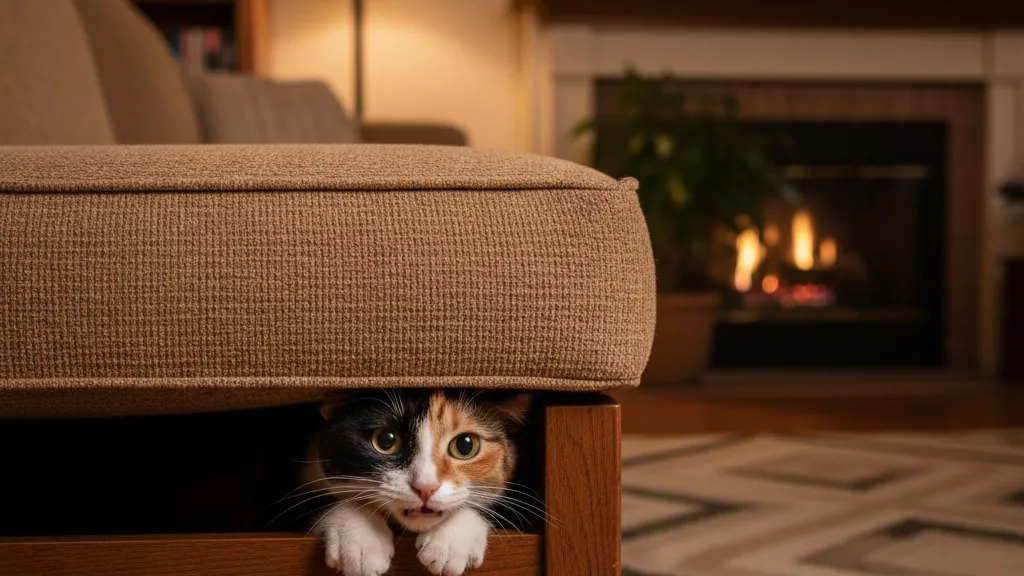
Increased hiding or changes in sleeping locations can signal stress. If a cat who used to sleep on the bed now hides under it constantly, something has changed. Pay attention to when and where cats choose to rest.
Aggression or increased vigilance toward other cats, people, or even objects can indicate stress. This includes hissing, growling, swatting, or simply staring at other cats with dilated pupils and tense body language.
When to Seek Professional Help
Some multi-cat conflicts resolve with time and proper management, but some situations require professional intervention. Recognizing when you need help prevents prolonged suffering for your cats.
Persistent aggression that does not improve with gradual introduction and environmental changes needs professional evaluation. This includes any situation where cats are physically fighting, one cat is actively injuring another, or there are redirected aggression issues.
Severe stress symptoms that do not improve with environmental modifications warrant veterinary consultation. Your veterinarian can rule out medical causes and may recommend consultation with a veterinary behaviorist.
Resource guarding that escalates despite providing adequate resources may require behavioral intervention. In extreme cases, medication combined with behavior modification can help.
Any sudden change in a multi-cat household dynamics should prompt a veterinary visit. Cats hide illness well, so what appears to be a behavioral issue could actually be a medical problem.
Benefits of Multi-Cat Households
Despite the challenges, successfully managing multiple cats brings rewards that single-cat households cannot match. Understanding these benefits helps you appreciate why so many cat parents choose to share their lives with multiple feline companions.
Companionship is perhaps the most significant benefit. Cats who get along provide each other with constant company, grooming, and social interaction. This is particularly valuable for cats who are home alone during work hours.
Play and exercise happen naturally in multi-cat homes. Cats encourage each other to play, keeping both physically fit and mentally engaged. The play behaviors cats engage in with each other, like chase games and wrestling, provide better exercise than most human-played games.
Emotional security comes from having another cat around. Having a familiar companion reduces anxiety in many cats, particularly during stressful situations like thunderstorms or when humans are away.
Natural behavior expression is easier in multi-cat households. Cats are social animals with complex behaviors that express themselves most fully when they have feline companions. Watching cats groom each other, play together, and simply exist together brings joy to many cat parents.
Frequently Asked Questions
How long does it take for cats to accept each other?
Most cats need at least two to four weeks to feel comfortable with a new cat, though full acceptance can take months. The key is to go at the pace of the most cautious cat. Rushing leads to setbacks and longer overall integration time.
My cats seem to tolerate each other but never groom or sleep together. Is this normal?
Yes, this is completely normal and does not indicate a problem. Cats who are merely coexisting peacefully rather than actively bonding can still have happy, low-stress lives. Not all cats form close bonds, and that is okay.
One of my cats keeps bullying the other. What should I do?
Ensure you have adequate resources following the n+1 rule. Create more vertical space and hiding spots. Consult with a veterinary behaviorist if the bullying is causing stress or injury. In some cases, complete separation and reintroduction using proper protocols is necessary.
Can I introduce a kitten to an older cat?
Yes, but manage your expectations. Some older cats enjoy kitten energy while others find it overwhelming. Ensure your older cat has spaces to escape from the kitten and that the kitten does not harass the older cat. Supervise all interactions until you are confident the kitten understands boundaries.
How do I know if my cats actually like each other?
Positive signs include playing together (not just tolerating each other’s presence), grooming each other, sleeping in physical contact or very close proximity, and rubbing against each other. These indicate genuine social bonding rather than mere tolerance.